Before You Go
- Confirm passport validity and entry requirements.
- Check whether a tourist visa is required.
- Keep digital copies of important documents.
- Consider purchasing travel insurance.

Welcome to Kazakhstan, the world's largest landlocked country, where vast steppe stretches beneath dramatic mountain ranges and ancient Silk Road history. Almaty, framed by the snow-capped Tian Shan mountains, blends Soviet-era architecture with a growing modern energy. The otherworldly Charyn Canyon, often compared to the Grand Canyon, reveals dramatic rock formations carved over millions of years. Kazakhstan's endless steppe once hosted nomadic horse cultures whose traditions, including eagle hunting, remain proudly preserved today. Astana, the futuristic capital, showcases bold, ultramodern architecture rising from the flat central plains. The Charyn and Kolsai Lakes offer pristine alpine scenery, ideal for hiking and horseback riding. Kazakhstan's Silk Road heritage lives on in ancient caravanserai and trading routes scattered across the country. Kazakhstan invites travelers to discover a vast, striking landscape shaped by both nomadic tradition and modern ambition.

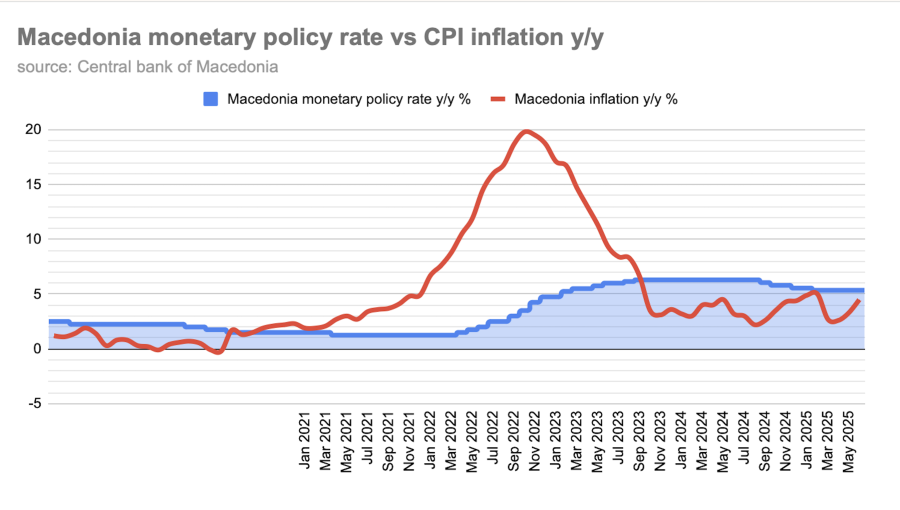
Central bank opts to maintain a cautious monetary policy stance despite a continued slowdown in inflation, citing persistent external risks linked to geopolitical tensions and elevated energy prices.