
Before You Go
- Confirm passport validity and entry requirements.
- Check whether a tourist visa is required.
- Keep digital copies of important documents.
- Consider purchasing travel insurance.
Port Moresby
Papua New Guinean Kina (PGK)
English, Tok Pisin, Hiri Motu
MayβOct
PGT (UTC+10)
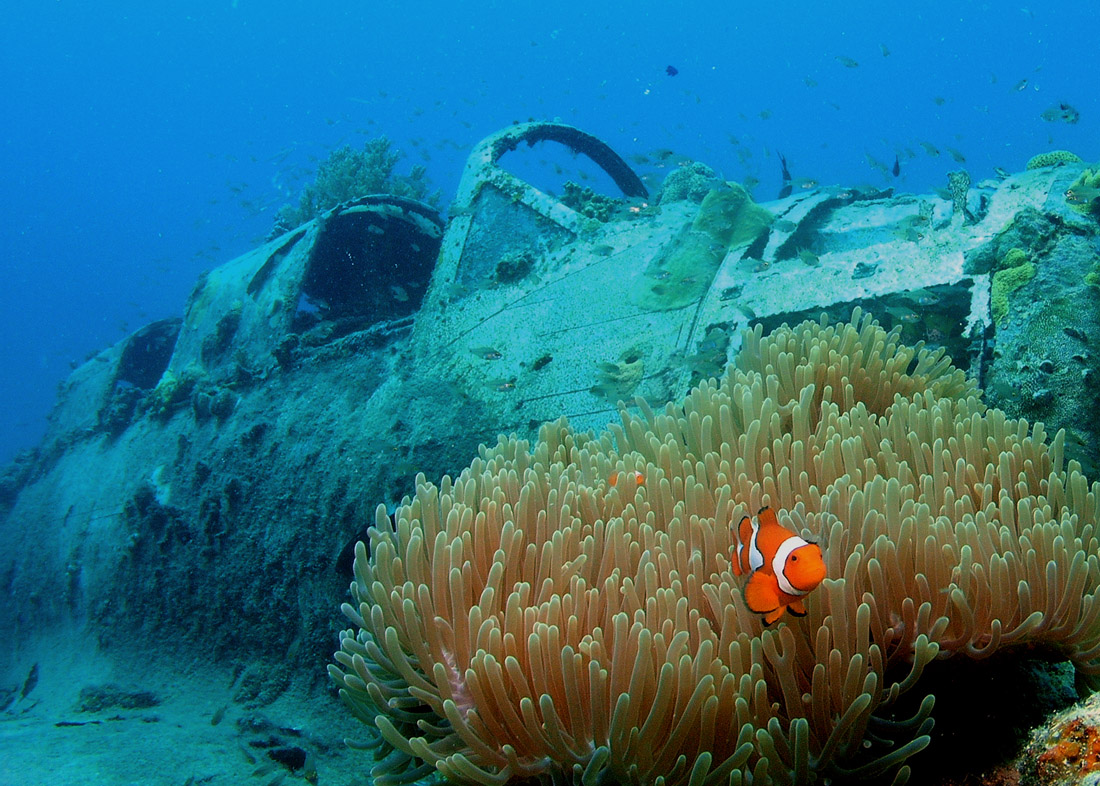
Welcome to Papua New Guinea, a country of staggering cultural and biological diversity across rugged highlands and remote islands. Home to over 800 languages, Papua New Guinea holds one of the most culturally diverse populations on Earth. The Highlands' traditional tribes showcase elaborate face paint, feathered headdresses, and vibrant sing-sing festivals. Port Moresby, the capital, offers a gateway to the country's dramatic mountains, rainforests, and coral reefs. World War II history remains visible along the Kokoda Track, a challenging trek through dense jungle. Papua New Guinea's surrounding waters offer some of the richest and most pristine diving on Earth. Remote villages throughout the country maintain traditions largely unchanged for generations. Papua New Guinea invites the most adventurous travelers to discover one of the last truly untamed frontiers.

Helpful information to consider before and during your visit.
Discover some of Papua New Guinea's most popular flavors, traditional dishes and memorable local treats during your visit.
Mumu is a signature Papua New Guinea specialty known for its distinctive local ingredients, seasoning and traditional preparation.
This popular Papua New Guinea dish brings together familiar regional flavors and is commonly enjoyed in homes, markets or local restaurants.
A well-loved part of Papua New Guinea cuisine, Kaukau reflects the country's culinary traditions and locally available ingredients.
Kokoda is a comforting regional favorite, prepared in styles that may vary between families, cities and different parts of Papua New Guinea.
Visitors often seek out Taro with Coconut for an authentic taste of Papua New Guinea's everyday cooking and food culture.
This traditional favorite highlights the bold, savory or gently spiced flavors associated with cooking in Papua New Guinea.
Chicken Pot is widely recognized in Papua New Guinea and is often served at casual meals, celebrations or community gatherings.
A memorable choice for travelers, Saksak offers a flavorful introduction to the ingredients and techniques used across Papua New Guinea.
This classic food is an important part of Papua New Guinea's culinary identity and is best sampled freshly prepared.
Papua New Guinea is considered one of the most linguistically diverse countries in the world, with over 800 distinct languages spoken among its population, more than any other single nation, a result of its extremely rugged terrain that historically isolated communities from one another. The country makes up the eastern half of the island of New Guinea, the second-largest island in the world, and its interior remains so remote and mountainous that some communities had little to no contact with the outside world until well into the 20th century.
Papua New Guinea is home to the bird-of-paradise, a family of strikingly colorful birds famous for elaborate mating displays, and the birds hold such deep cultural significance that one appears on the country's national flag. The country also sits along the Pacific Ring of Fire and experiences frequent volcanic activity and earthquakes, and its Sepik River region is known for elaborate traditional wood carving and ceremonial architecture found in few other parts of the world.
Despite gaining independence from Australia only in 1975, Papua New Guinea's highland regions preserve some of the oldest continuous agricultural traditions on Earth, with archaeological evidence of farming in the area dating back nearly 10,000 years, among the earliest known anywhere in the world.