Blahface.com Uniting People Online

Rwanda

Capital

Kigali

Currency

Rwandan Franc (RWF)

Language

Kinyarwanda, English, French

Best Time

Jun–Sep

Time Zone

CAT (UTC+2)

Flag of Rwanda
Welcome to Rwanda

Rwanda's Misty Mountains and Gorilla Trails

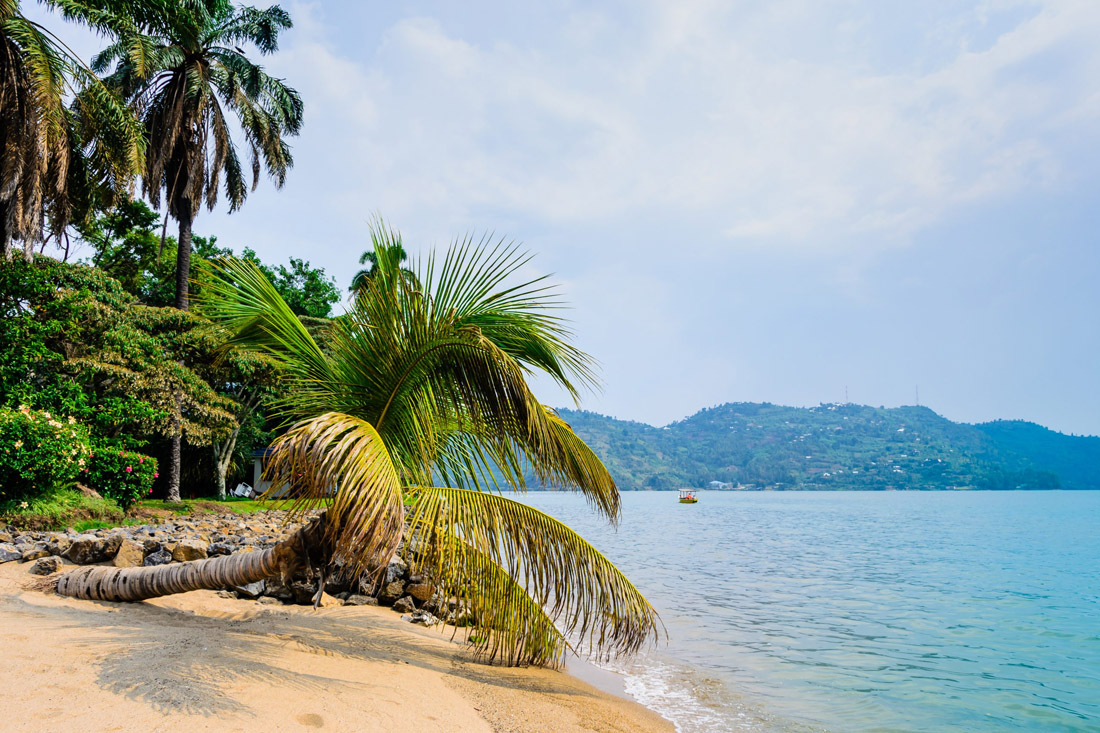
Welcome to Rwanda, a Central African country known as the "Land of a Thousand Hills" for its lush, rolling green landscape. Volcanoes National Park offers the rare and profound experience of trekking to see endangered mountain gorillas in the wild. Kigali, the capital, has become one of Africa's cleanest and most orderly cities, reflecting the country's remarkable resilience and progress. Lake Kivu's calm shores offer a peaceful escape amid terraced hillsides and coffee plantations. Rwanda's genocide memorials offer a moving and important reflection on the country's painful history and recovery. Nyungwe Forest's canopy walkway reveals chimpanzees and colorful birdlife amid ancient rainforest. Traditional Intore dance performances showcase Rwanda's vibrant cultural pride and energy. Rwanda invites travelers to discover a country of remarkable natural beauty and inspiring resilience.

Popular City

Kigali

Kigali, one of Africa’s cleanest and most orderly capitals, is anchored by the Kigali Genocide Memorial, a sobering and essential stop that documents the 1994 genocide against the Tutsi and honors the more than 250,000 victims buried on the site. The city’s hilly terrain offers views over a rapidly modernizing skyline from several vantage points. Kimironko Market offers a lively look at local produce, textiles, and crafts, including the woven baskets for which Rwanda is well known. Inema Arts Center showcases contemporary Rwandan painting and sculpture in a gallery space that also hosts community art workshops. Kigali’s cleanliness, partly the result of a nationwide plastic bag ban and monthly community clean-up days, gives the city an unusually tidy feel among African capitals. It serves as the natural gateway before heading into Rwanda’s national parks to track mountain gorillas.

Travel News

Popular City

Musanze

Musanze serves as the base for gorilla trekking in Volcanoes National Park, home to endangered mountain gorillas made famous by primatologist Dian Fossey’s research in the surrounding Virunga Mountains. Permits arranged through the town allow small groups to trek through bamboo forest for a closely regulated hour with a gorilla family. The Musanze Caves, formed by ancient lava flows, offer an easy underground walk with a very different landscape from the surrounding volcanic peaks. Golden monkey trekking, a less strenuous alternative to gorilla trekking, is also available in the same national park. The town’s markets and guesthouses cater largely to travelers preparing for treks into the surrounding volcanoes. Musanze remains the essential base for one of Africa’s most sought-after wildlife encounters.

Travel Tips

Helpful information to consider before and during your visit.

Before You Go

  • Confirm passport validity and entry requirements.
  • Check whether a tourist visa is required.
  • Keep digital copies of important documents.
  • Consider purchasing travel insurance.

Money & Payments

  • Review the local currency and exchange rate.
  • Carry some cash for small businesses and markets.
  • Check for international bank transaction fees.
  • Learn the country's customary tipping practices.

Stay Connected

  • Review your mobile carrier's international plan.
  • Consider purchasing a local SIM or eSIM.
  • Download maps for offline use before traveling.
  • Avoid sensitive transactions on unsecured Wi-Fi.

Transportation

  • Research public transportation before arrival.
  • Use licensed taxis or reputable rideshare services.
  • Check which side of the road vehicles use.
  • Confirm whether an international permit is needed.

Electricity

  • Check the country's voltage and outlet type.
  • Bring the correct plug adapter for your devices.
  • Use a voltage converter when required.
  • Pack a portable charger for longer excursions.

Weather & Clothing

  • Review the seasonal weather before packing.
  • Bring layers for changing temperatures.
  • Pack rain protection when appropriate.
  • Use sunscreen even on cool or cloudy days.

Food & Water

  • Research whether tap water is safe to drink.
  • Communicate food allergies clearly.
  • Try traditional dishes from reputable vendors.
  • Observe local dining customs and meal times.

Safety

  • Secure valuables in crowded tourist areas.
  • Avoid displaying large amounts of cash.
  • Share your itinerary with someone you trust.
  • Review current government travel advisories.

Language & Etiquette

  • Learn a few polite words in the local language.
  • Respect dress requirements at religious sites.
  • Ask permission before photographing people.
  • Follow local traditions, laws and social customs.

Emergency Planning

  • Save the country's emergency telephone number.
  • Locate your nearest embassy or consulate.
  • Keep medication in its original packaging.
  • Store emergency contacts offline and on paper.

Smart Packing

  • Pack comfortable shoes for walking and tours.
  • Keep essential medication in your carry-on.
  • Bring a reusable bottle where appropriate.
  • Leave room for locally purchased items.

Local Research

  • Check attraction hours and reservation policies.
  • Review national holidays and local closures.
  • Download important addresses before departure.
  • Leave flexibility for unexpected discoveries.
Important: Entry requirements, transportation rules, weather conditions and safety guidance can change. Verify important information with official sources before traveling.

Popular City

Huye

Huye, formerly known as Butare, serves as Rwanda’s intellectual and cultural center, home to the National Museum of Rwanda, widely considered one of the best in East Africa for its ethnographic and archaeological collections. The National University of Rwanda anchors the town’s academic reputation. The nearby royal palace at Nyanza, a reconstructed traditional thatched residence of Rwanda’s former kings, offers insight into pre-colonial Rwandan monarchy alongside a small herd of the long-horned Inyambo cattle once kept for ceremonial purposes. Huye’s quieter, more scholarly atmosphere contrasts with the busier capital. Local markets offer a straightforward introduction to southern Rwandan agricultural life, set among the country’s characteristic rolling green hills. Huye rewards visitors interested in Rwanda’s precolonial history and cultural heritage.

Local Food to Try

Discover some of Rwanda's most popular flavors, traditional dishes and memorable local treats during your visit.

Isombe

Isombe is a signature Rwanda specialty known for its distinctive local ingredients, seasoning and traditional preparation.

Ugali

This popular Rwanda dish brings together familiar regional flavors and is commonly enjoyed in homes, markets or local restaurants.

Brochettes

A well-loved part of Rwanda cuisine, Brochettes reflects the country's culinary traditions and locally available ingredients.

Ibihaza

Ibihaza is a comforting regional favorite, prepared in styles that may vary between families, cities and different parts of Rwanda.

Akabenz

Visitors often seek out Akabenz for an authentic taste of Rwanda's everyday cooking and food culture.

Matoke

This traditional favorite highlights the bold, savory or gently spiced flavors associated with cooking in Rwanda.

Agatogo

Agatogo is widely recognized in Rwanda and is often served at casual meals, celebrations or community gatherings.

Sambaza

A memorable choice for travelers, Sambaza offers a flavorful introduction to the ingredients and techniques used across Rwanda.

Mandazi

This classic food is an important part of Rwanda's culinary identity and is best sampled freshly prepared.

Dining tip: Regional specialties and preparation styles vary throughout Rwanda. Explore local markets, independent cafΓ©s and family-owned restaurants for an authentic taste of the destination.

Little-Known Facts

Rwanda

Rwanda is nicknamed the "Land of a Thousand Hills" for its densely terraced, mountainous terrain, and despite being one of the smallest and most densely populated countries in Africa, it has become one of the continent's most notable conservation and recovery success stories in the decades following the 1994 genocide, in which an estimated 800,000 people were killed in roughly 100 days. Rwanda has since become a global model for post-conflict reconciliation, including establishing community-based Gacaca courts to process the enormous backlog of genocide-related cases at a local level.

The country is home to a significant portion of the world's remaining mountain gorillas, protected within Volcanoes National Park, and Rwanda's conservation efforts have helped mountain gorilla populations grow steadily in recent decades even as the species remains endangered. Rwanda has also become known for banning single-use plastic bags nationwide as early as 2008, one of the first countries in the world to do so, and its capital, Kigali, is frequently cited as one of the cleanest cities in Africa as a result of strict environmental policies, including mandatory monthly community cleaning days.

Rwanda has also made notable strides in political representation, having had one of the highest percentages of women in national parliament of any country in the world for over a decade.