Blahface.com Uniting People Online

Serbia

Capital

Belgrade

Currency

Serbian Dinar (RSD)

Language

Serbian

Best Time

May–Sep

Time Zone

CET (UTC+1) / CEST (UTC+2)

Flag of Serbia
Welcome to Serbia

Serbia's Rivers and Fortress History

Welcome to Serbia, a Balkan country where the Danube and Sava rivers meet beneath centuries-old fortresses and lively city culture. Belgrade, the capital, blends a historic fortress overlooking the river confluence with a famously vibrant nightlife scene. Novi Sad's Petrovaradin Fortress offers sweeping views and hosts one of Europe's largest music festivals each summer. Serbia's countryside reveals rolling vineyards, monasteries, and traditional villages steeped in Orthodox heritage. The Tara National Park offers dramatic canyons and dense forest, among the most scenic natural areas in the Balkans. Traditional Serbian hospitality, centered around generous meals and rakija brandy, welcomes visitors warmly. Ancient monasteries throughout the country house remarkable medieval frescoes and religious art. Serbia invites travelers to discover a country of river charm, history, and spirited celebration.

Popular City

Belgrade

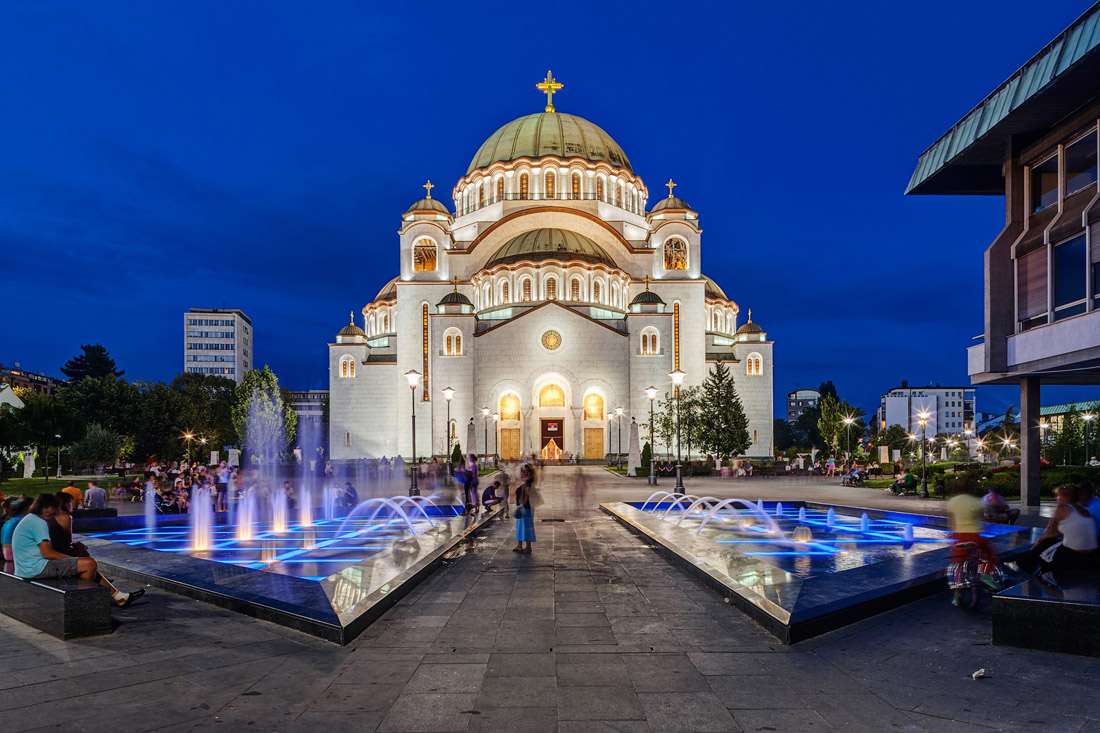
Belgrade’s Kalemegdan Fortress, overlooking the confluence of the Danube and Sava rivers, layers Roman, Ottoman, and Austro-Hungarian history within its walls and now doubles as the city’s largest park. Skadarlija, the city’s bohemian quarter, offers cobblestone streets lined with traditional kafanas serving Serbian cuisine alongside live music. St. Sava Temple, one of the largest Orthodox churches in the world, dominates the skyline with its gleaming white facade and gold-accented dome. The city’s floating river clubs, or splavovi, moored along the Sava and Danube, have made Belgrade one of Europe’s most notable nightlife destinations. The Nikola Tesla Museum honors the Serbian-American inventor with original documents and working models of his inventions. Belgrade’s blend of layered history and vibrant nightlife makes it one of the Balkans’ most energetic capitals.

Travel News

Popular City

Novi Sad

Novi Sad, Serbia’s second city, centers on Petrovaradin Fortress, a massive Habsburg-era stronghold overlooking the Danube that now hosts the EXIT music festival each July, drawing tens of thousands of visitors. The city’s pedestrian old town, with its Catholic and Orthodox cathedrals standing near each other, reflects Novi Sad’s multicultural Vojvodina heritage. The Danube riverside offers relaxed walking and cycling paths connecting the old town to the fortress across the water. Novi Sad’s Name Square and surrounding Austro-Hungarian architecture give the city a more Central European feel than Belgrade’s grittier energy. Nearby Fruska Gora National Park is dotted with Serbian Orthodox monasteries scattered through rolling, forested hills. Novi Sad’s fortress views and festival culture make it an essential stop beyond the Serbian capital.

Travel Tips

Helpful information to consider before and during your visit.

Before You Go

  • Confirm passport validity and entry requirements.
  • Check whether a tourist visa is required.
  • Keep digital copies of important documents.
  • Consider purchasing travel insurance.

Money & Payments

  • Review the local currency and exchange rate.
  • Carry some cash for small businesses and markets.
  • Check for international bank transaction fees.
  • Learn the country's customary tipping practices.

Stay Connected

  • Review your mobile carrier's international plan.
  • Consider purchasing a local SIM or eSIM.
  • Download maps for offline use before traveling.
  • Avoid sensitive transactions on unsecured Wi-Fi.

Transportation

  • Research public transportation before arrival.
  • Use licensed taxis or reputable rideshare services.
  • Check which side of the road vehicles use.
  • Confirm whether an international permit is needed.

Electricity

  • Check the country's voltage and outlet type.
  • Bring the correct plug adapter for your devices.
  • Use a voltage converter when required.
  • Pack a portable charger for longer excursions.

Weather & Clothing

  • Review the seasonal weather before packing.
  • Bring layers for changing temperatures.
  • Pack rain protection when appropriate.
  • Use sunscreen even on cool or cloudy days.

Food & Water

  • Research whether tap water is safe to drink.
  • Communicate food allergies clearly.
  • Try traditional dishes from reputable vendors.
  • Observe local dining customs and meal times.

Safety

  • Secure valuables in crowded tourist areas.
  • Avoid displaying large amounts of cash.
  • Share your itinerary with someone you trust.
  • Review current government travel advisories.

Language & Etiquette

  • Learn a few polite words in the local language.
  • Respect dress requirements at religious sites.
  • Ask permission before photographing people.
  • Follow local traditions, laws and social customs.

Emergency Planning

  • Save the country's emergency telephone number.
  • Locate your nearest embassy or consulate.
  • Keep medication in its original packaging.
  • Store emergency contacts offline and on paper.

Smart Packing

  • Pack comfortable shoes for walking and tours.
  • Keep essential medication in your carry-on.
  • Bring a reusable bottle where appropriate.
  • Leave room for locally purchased items.

Local Research

  • Check attraction hours and reservation policies.
  • Review national holidays and local closures.
  • Download important addresses before departure.
  • Leave flexibility for unexpected discoveries.
Important: Entry requirements, transportation rules, weather conditions and safety guidance can change. Verify important information with official sources before traveling.

Popular City

Nis

Nis, one of the oldest cities in the Balkans and the birthplace of Roman Emperor Constantine the Great, preserves the Nis Fortress, an Ottoman-era stronghold built atop earlier Roman and Byzantine foundations. The Skull Tower, a somber monument embedded with the skulls of Serbian rebels from an 1809 uprising, stands as one of the country’s most striking historical sites. The Mediana archaeological site, just outside the city, preserves mosaics and ruins from Constantine’s imperial residence. Nis’s pedestrian center and riverside parks give the city a relaxed, historically grounded atmosphere distinct from Belgrade and Novi Sad. Local markets and traditional restaurants serve some of Serbia’s spiciest regional cuisine, a point of local pride. Nis’s deep Roman and Ottoman layers make it a worthwhile stop for travelers interested in Serbia’s ancient history.

Local Food to Try

Discover some of Serbia's most popular flavors, traditional dishes and memorable local treats during your visit.

Ćevapi

Ćevapi is a signature Serbia specialty known for its distinctive local ingredients, seasoning and traditional preparation.

Pljeskavica

This popular Serbia dish brings together familiar regional flavors and is commonly enjoyed in homes, markets or local restaurants.

Sarma

A well-loved part of Serbia cuisine, Sarma reflects the country's culinary traditions and locally available ingredients.

Karađorđeva Šnicla

Karađorđeva Šnicla is a comforting regional favorite, prepared in styles that may vary between families, cities and different parts of Serbia.

Prebranac

Visitors often seek out Prebranac for an authentic taste of Serbia's everyday cooking and food culture.

Gibanica

This traditional favorite highlights the bold, savory or gently spiced flavors associated with cooking in Serbia.

Punjene Paprike

Punjene Paprike is widely recognized in Serbia and is often served at casual meals, celebrations or community gatherings.

Proja

A memorable choice for travelers, Proja offers a flavorful introduction to the ingredients and techniques used across Serbia.

Krempita

This classic food is an important part of Serbia's culinary identity and is best sampled freshly prepared.

Dining tip: Regional specialties and preparation styles vary throughout Serbia. Explore local markets, independent cafés and family-owned restaurants for an authentic taste of the destination.

Little-Known Facts

Serbia

Serbia is home to Belgrade, one of the oldest continuously inhabited cities in Europe, having been conquered and rebuilt dozens of times throughout history due to its strategic position at the confluence of the Danube and Sava Rivers. The country is also considered the birthplace of Nikola Tesla, the influential inventor and engineer whose pioneering work on alternating current systems helped shape modern electrical infrastructure, and Belgrade's main airport is named in his honor.

Serbia is home to Devil's Town, a bizarre rock formation of nearly 200 tall earthen pillars capped with stone, created by unusual erosion patterns over thousands of years, and local legend attributes their strange, almost humanoid shapes to a village turned to stone as divine punishment. Serbia was also the site where the assassination of Archduke Franz Ferdinand in nearby Sarajevo, involving a Serbian nationalist, helped trigger the outbreak of World War I in 1914, an event with outsized consequences given the region's relatively small size.

Serbia's Exit Festival, held annually in the historic Petrovaradin Fortress, has grown into one of the largest music festivals in Europe, drawing hundreds of thousands of visitors to a site originally built as an 18th-century military stronghold.