
Before You Go
- Confirm passport validity and entry requirements.
- Check whether a tourist visa is required.
- Keep digital copies of important documents.
- Consider purchasing travel insurance.
Paramaribo
Surinamese Dollar (SRD)
Dutch
FebβApr
SRT (UTCβ3)
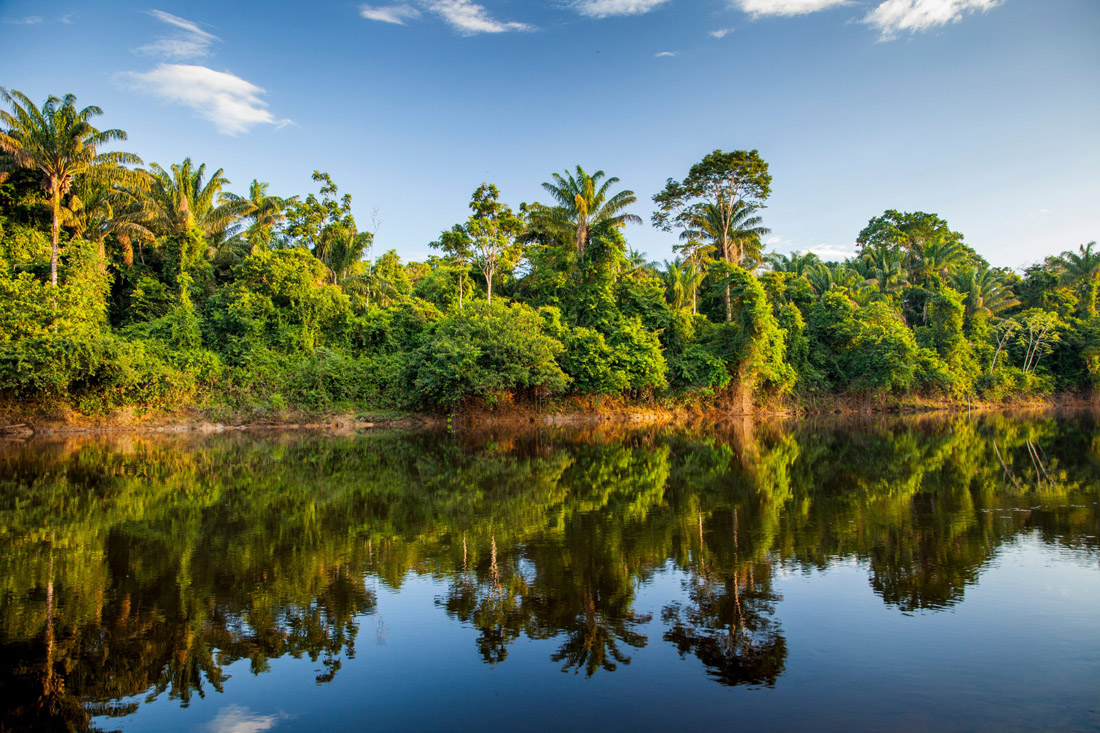
Welcome to Suriname, a small South American country where dense rainforest and a rich multicultural heritage create a unique destination. Paramaribo, the capital, showcases colorful Dutch colonial architecture, a UNESCO World Heritage Site along the Suriname River. The country's rainforest interior, among the most pristine in the Amazon basin, offers extraordinary biodiversity and river journeys. Traditional Maroon communities, descended from escaped enslaved people, maintain distinct culture along the country's remote rivers. Suriname's multicultural population, blending Dutch, Indian, Javanese, and African heritage, is reflected vividly in its food and festivals. Central Suriname Nature Reserve protects vast untouched rainforest, home to jaguars and harpy eagles. The country's low visitor numbers mean travelers often experience pristine wilderness with few other tourists. Suriname invites travelers to discover a hidden rainforest gem rich in cultural diversity.

Helpful information to consider before and during your visit.
Discover some of Suriname's most popular flavors, traditional dishes and memorable local treats during your visit.
Pom is a well-known part of Suriname's cuisine and offers visitors a flavorful introduction to the country's food traditions.
Roti is a well-known part of Suriname's cuisine and offers visitors a flavorful introduction to the country's food traditions.
Moksi Alesi is a well-known part of Suriname's cuisine and offers visitors a flavorful introduction to the country's food traditions.
Saoto Soup is a well-known part of Suriname's cuisine and offers visitors a flavorful introduction to the country's food traditions.
Her Heri is a well-known part of Suriname's cuisine and offers visitors a flavorful introduction to the country's food traditions.
Bami is a well-known part of Suriname's cuisine and offers visitors a flavorful introduction to the country's food traditions.
Bara is a well-known part of Suriname's cuisine and offers visitors a flavorful introduction to the country's food traditions.
Bojo is a well-known part of Suriname's cuisine and offers visitors a flavorful introduction to the country's food traditions.
Fiadoe is a well-known part of Suriname's cuisine and offers visitors a flavorful introduction to the country's food traditions.
Suriname is the smallest sovereign country in South America by both land area and population, and it stands out as the only country on the continent where Dutch remains the official language, a legacy of Dutch colonial rule rather than the Spanish or Portuguese influence found across the rest of the region. The country is one of the most forested nations on Earth relative to its size, with well over 90% of its territory still covered by pristine Amazonian rainforest, much of it largely untouched by development.
Suriname's population is extraordinarily diverse for its size, blending descendants of Dutch colonists, enslaved Africans, and indentured laborers brought from India, Indonesia, and China, creating one of the most ethnically varied societies per capita found anywhere in the world. The country's capital, Paramaribo, features a historic inner city built from wooden colonial architecture that blends Dutch and local building styles, recognized as a UNESCO World Heritage Site.
Suriname is also notable for having one of the highest percentages of carbon-negative status among nations, meaning its vast rainforests absorb significantly more carbon dioxide than the country emits, a distinction shared with very few other countries in the world.