
Before You Go
- Confirm passport validity and entry requirements.
- Check whether a tourist visa is required.
- Keep digital copies of important documents.
- Consider purchasing travel insurance.
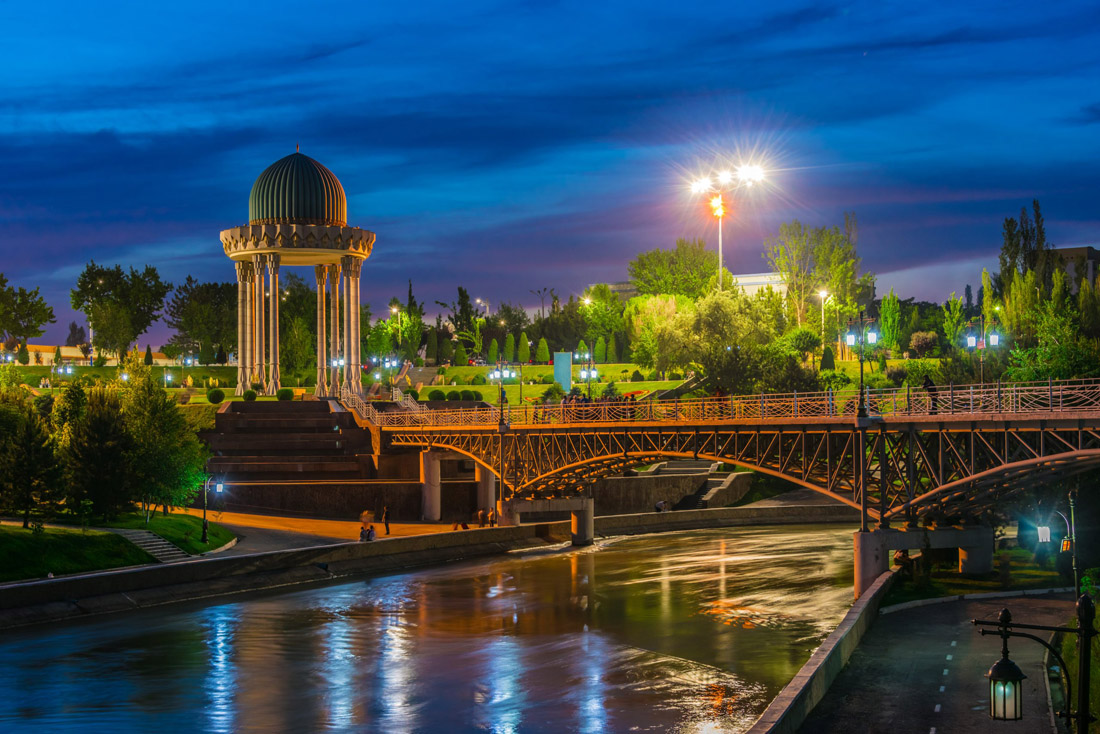
Tashkent
Uzbekistani Som (UZS)
Uzbek
Apr–Jun and Sep–Oct
UZT (UTC+5)
Welcome to Uzbekistan, a Central Asian country home to some of the most breathtaking architecture along the ancient Silk Road. Samarkand's Registan Square dazzles with turquoise-tiled madrasas, among the most stunning Islamic architecture in the world. Bukhara's beautifully preserved old town, a UNESCO World Heritage Site, reveals centuries of trade, scholarship, and craftsmanship. Khiva's walled old city transports visitors back to the height of Silk Road caravan trade. Tashkent, the capital, blends Soviet-era architecture with a growing modern energy. Uzbekistan's traditional bazaars showcase vibrant textiles, ceramics, and spices reflecting centuries of trading heritage. The country's deserts and oases reveal remnants of ancient fortresses along historic trade routes. Uzbekistan invites travelers to discover some of the most spectacular architecture found anywhere along the Silk Road.

Helpful information to consider before and during your visit.
Discover some of Uzbekistan's most popular flavors, traditional dishes and memorable local treats during your visit.
Plov is a well-known part of Uzbekistan's cuisine and offers visitors a flavorful introduction to the country's food traditions.
Samsa is a well-known part of Uzbekistan's cuisine and offers visitors a flavorful introduction to the country's food traditions.
Lagman is a well-known part of Uzbekistan's cuisine and offers visitors a flavorful introduction to the country's food traditions.
Manti is a well-known part of Uzbekistan's cuisine and offers visitors a flavorful introduction to the country's food traditions.
Shurpa is a well-known part of Uzbekistan's cuisine and offers visitors a flavorful introduction to the country's food traditions.
Dimlama is a well-known part of Uzbekistan's cuisine and offers visitors a flavorful introduction to the country's food traditions.
Naryn is a well-known part of Uzbekistan's cuisine and offers visitors a flavorful introduction to the country's food traditions.
Non is a well-known part of Uzbekistan's cuisine and offers visitors a flavorful introduction to the country's food traditions.
Halva is a well-known part of Uzbekistan's cuisine and offers visitors a flavorful introduction to the country's food traditions.
Uzbekistan is one of only two "doubly landlocked" countries in the world, alongside Liechtenstein, meaning it is entirely surrounded by other landlocked nations, a rare geographic distinction given the country's otherwise significant size. Uzbekistan was one of the most important stops along the ancient Silk Road, and its cities of Samarkand, Bukhara, and Khiva remain home to some of the most spectacular examples of Islamic architecture in the world, including elaborately tiled mosques, madrasas, and mausoleums dating back centuries.
The country is home to what remains of the Aral Sea, once one of the four largest lakes in the world, which has shrunk dramatically since the mid-20th century due to Soviet-era irrigation projects diverting the rivers that fed it, leaving behind a stark desert landscape dotted with abandoned fishing boats and considered one of the most significant human-caused environmental disasters in modern history. Samarkand's Registan Square, with its three monumental madrasas facing one another around a central plaza, is considered one of the most architecturally significant public squares anywhere in the Islamic world.
Uzbekistan is also the world's most populous doubly landlocked country and one of the largest producers of cotton in the world, an industry historically tied closely to the same Soviet-era water diversion policies responsible for the Aral Sea's dramatic decline.