Algeria is a republic whose national political system centers on constitutional executive institutions, a legislature and a judiciary. Abdelmadjid Tebboune serves as President of Algeria and holds a leading role in the country's government.
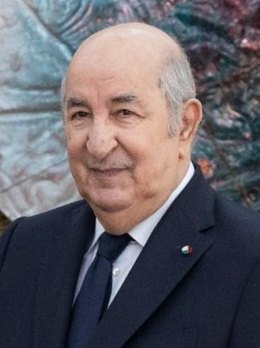
Algeria has a semi-presidential or mixed executive system in which a directly elected president shares national executive responsibilities with a prime minister and cabinet. The precise balance varies by constitution and political circumstances: the president generally has important state powers, while the government is responsible for day-to-day administration and is accountable, wholly or in part, to parliament.
Legislative authority is exercised through a bicameral national parliament. The two chambers share responsibility for passing laws and approving public finances, with their precise powers and methods of selection defined by the constitution. Parliamentary committees and plenary sessions provide formal mechanisms for scrutiny, while the courts are institutionally separate and may review government action as permitted by law.
Algeria is a unitary state, meaning sovereign authority is principally vested in national institutions, although local and regional governments exercise powers assigned by law. The constitution defines the relationship among the executive, legislature, judiciary, and subnational administration. The constitutional framework provides for multiparty political institutions, although the practical balance of power is strongly influenced by the presidency and the country's prevailing political conditions.