Brazil is a republic in which the presidency sits at the center of national executive authority. Luiz Inácio Lula da Silva serves as President of Brazil, combining the roles of head of state and head of government under the country's constitutional framework.
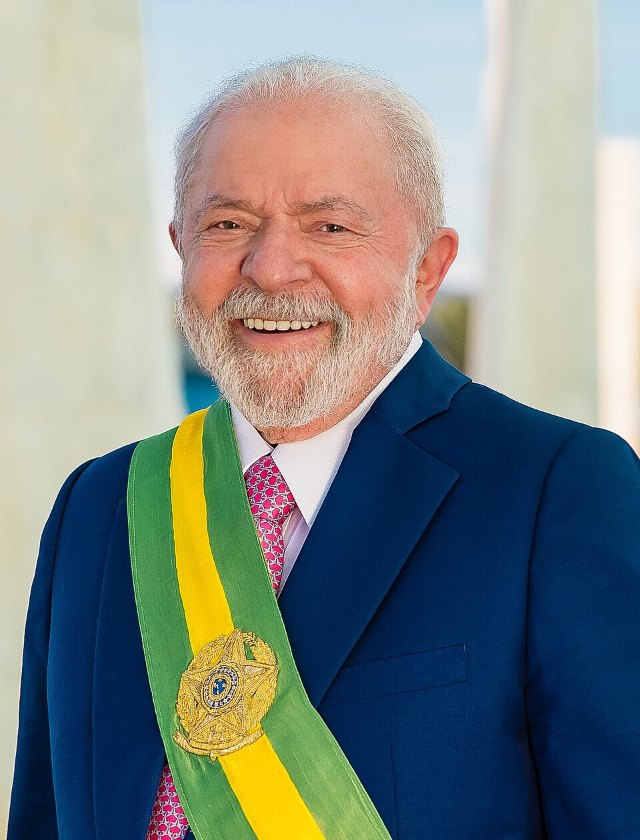
Brazil is a presidential republic in which the president is the central national executive and serves as head of state and, in constitutional terms, head of government or chief executive. The president appoints or directs the cabinet under the rules of the constitution, while the legislature has a separate mandate and exercises lawmaking, budgetary, and oversight functions.
Legislative authority is exercised through a bicameral national parliament. The two chambers share responsibility for passing laws and approving public finances, with their precise powers and methods of selection defined by the constitution. Parliamentary committees and plenary sessions provide formal mechanisms for scrutiny, while the courts are institutionally separate and may review government action as permitted by law.
Brazil is organized on a federal basis, so constitutional authority is divided between national institutions and constituent states, regions, provinces, or other federal units. Those subnational governments have their own legally protected responsibilities, while defense, foreign affairs, national finance, and other sovereign functions remain principally at the federal level. Political authority is exercised through the constitutional institutions described above, with elections, parliamentary confidence, or other constitutional procedures determining who holds office.