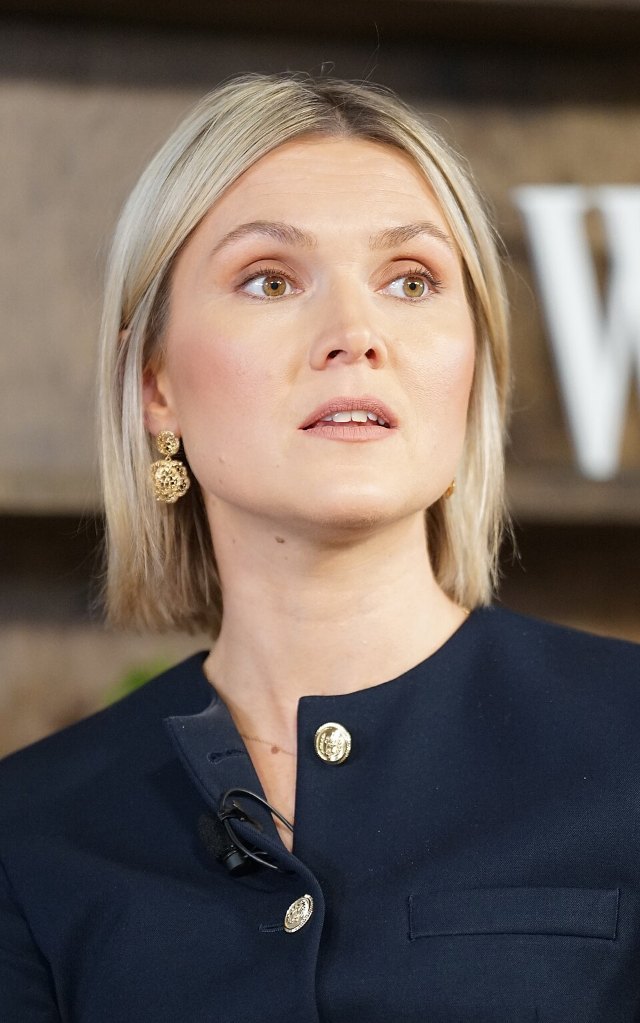
Iceland's republican system places day-to-day executive leadership in the hands of the government, with a separate head of state performing constitutional duties. Kristrún Frostadóttir serves as Prime Minister of Iceland and leads the national government.
Iceland is a parliamentary republic. The head of state is a president whose role is generally representative, constitutional, or limited, while day-to-day executive authority is exercised by a prime minister and cabinet. The government normally depends on the confidence of parliament, so the composition of the legislative majority is central to forming and sustaining the executive.
Legislative authority is exercised through a unicameral national parliament or assembly. It passes legislation, approves the budget, and performs the oversight and appointment functions assigned to it by the constitution. The judiciary is formally separate from the political branches, with the highest courts responsible for interpreting law and, where the constitutional system provides for it, reviewing constitutional questions.
Iceland is a unitary state, meaning sovereign authority is principally vested in national institutions, although local and regional governments exercise powers assigned by law. The constitution defines the relationship among the executive, legislature, judiciary, and subnational administration. Political authority is exercised through the constitutional institutions described above, with elections, parliamentary confidence, or other constitutional procedures determining who holds office.