South Sudan is a republic in which the presidency sits at the center of national executive authority. Salva Kiir serves as President of South Sudan, combining the roles of head of state and head of government under the country's constitutional framework.
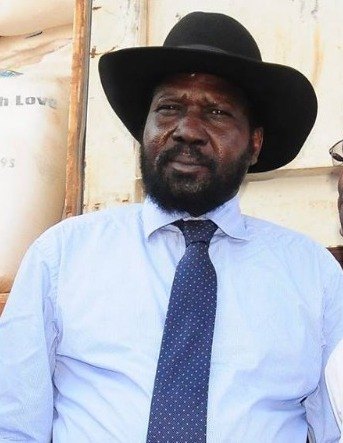
South Sudan is governed under a transitional power-sharing system created by the 2018 Revitalized Peace Agreement and subsequent extensions of the transition. The president is head of state and government, supported by vice presidents and a cabinet structured in part around the peace agreement. The transitional institutions were designed to bring former belligerents into a shared national government while a permanent constitutional and electoral order is developed.
The Transitional National Legislature is bicameral and includes an expanded National Legislative Assembly and Council of States. Its membership and political balance reflect the peace arrangements rather than a completed post-independence nationwide parliamentary election. The judiciary and other constitutional bodies operate alongside institutions established for the transition.
South Sudan is a decentralized unitary state. The country's first national elections since independence have been scheduled for December 2026, though preparations have faced political, legal, security, and logistical challenges.