Sudan's current political order is transitional, with governing arrangements shaped by recent conflict, military intervention or an incomplete constitutional transition. Abdel Fattah al-Burhan serves as Chairman of the Transitional Sovereignty Council of Sudan under the present framework.
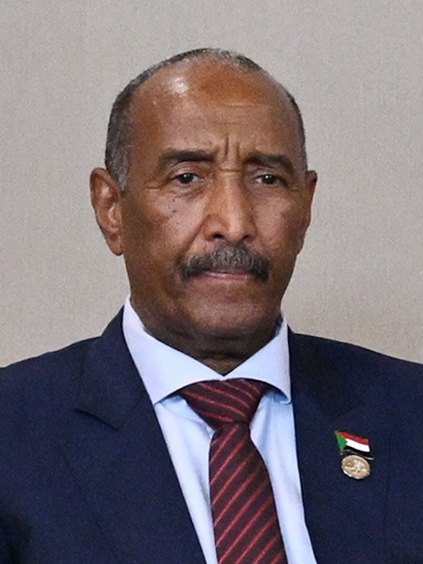
Sudan has no fully functioning nationwide constitutional government because of the civil war that began in April 2023 between the Sudanese Armed Forces and the Rapid Support Forces. The military-led authorities associated with the Sudanese Armed Forces maintain state institutions and a government in areas they control, while the Rapid Support Forces and allied actors exercise authority in other areas. Competing political claims make a single description of executive power incomplete.
Sudan has not had a functioning elected national parliament since the 2019 overthrow of Omar al-Bashir. Plans for a Transitional Legislative Council were never fully implemented, and the 2021 coup and subsequent war interrupted the civilian transition. Lawmaking and administration therefore proceed largely through executive and military-controlled institutions in the territories where they can operate.
Although Sudan's constitutional history includes federal arrangements, the present reality is one of severe territorial and institutional fragmentation. Any future permanent system depends on the outcome of the conflict and a renewed political settlement.