Switzerland's federal political system distributes power among the Confederation, cantons and communes and places unusual emphasis on direct democracy. Guy Parmelin serves as President of the Swiss Confederation within the country's collegial executive structure.
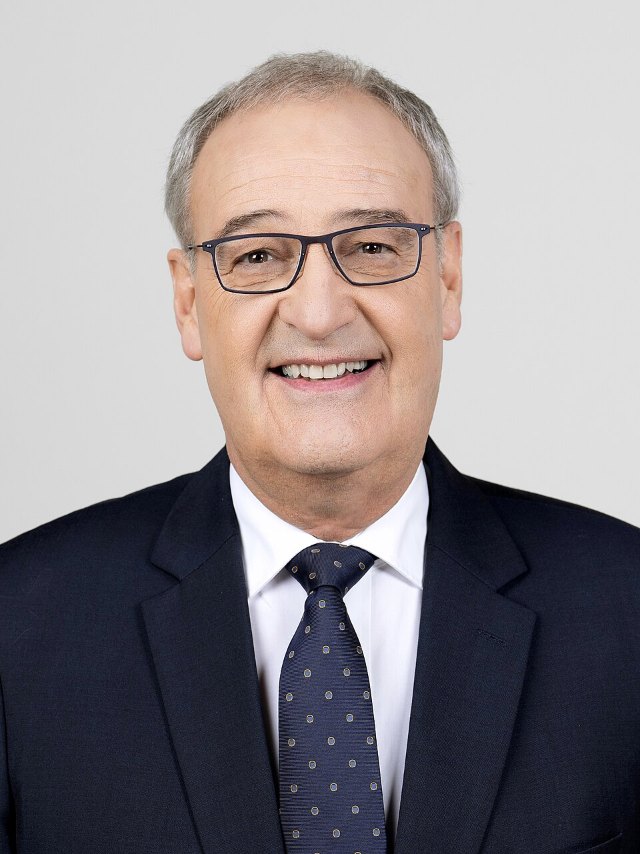
Switzerland is a federal republic with a distinctive collegial executive. Instead of a single powerful president or a conventional prime-ministerial cabinet, executive authority is exercised collectively by the seven-member Federal Council. One councillor serves each year as president of the Confederation, but that office does not carry the executive dominance associated with presidential systems.
Legislative authority is exercised through a bicameral national parliament. The two chambers share responsibility for passing laws and approving public finances, with their precise powers and methods of selection defined by the constitution. Parliamentary committees and plenary sessions provide formal mechanisms for scrutiny, while the courts are institutionally separate and may review government action as permitted by law.
Switzerland is organized on a federal basis, so constitutional authority is divided between national institutions and constituent states, regions, provinces, or other federal units. Those subnational governments have their own legally protected responsibilities, while defense, foreign affairs, national finance, and other sovereign functions remain principally at the federal level. Political authority is exercised through the constitutional institutions described above, with elections, parliamentary confidence, or other constitutional procedures determining who holds office.