Tunisia is a republic whose national political system centers on constitutional executive institutions, a legislature and a judiciary. Kais Saied serves as President of Tunisia and holds a leading role in the country's government.
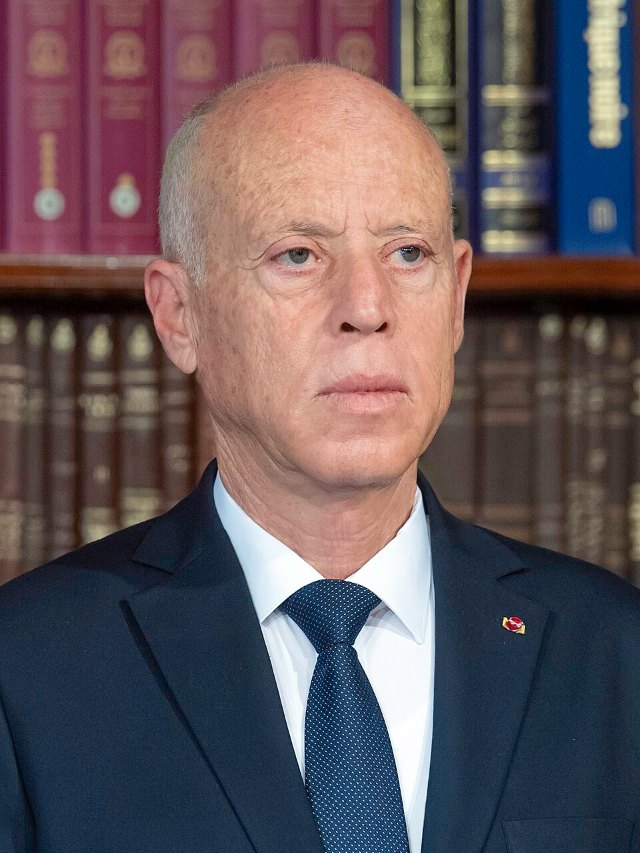
Tunisia is a presidential republic operating under the 2022 Constitution. The president is the dominant executive authority, appoints the prime minister and government, and holds broad powers over national policy. The constitutional changes replaced much of the power-sharing system created after the 2011 revolution and substantially strengthened the presidency.
Legislative authority is bicameral. The Assembly of the Representatives of the People forms one chamber, while the National Council of Regions and Districts provides a second chamber intended to represent territorial interests. The constitution assigns lawmaking functions to parliament, but the presidency has a powerful role in the overall system. Courts remain part of the constitutional structure, though judicial governance has also been reshaped since 2021.
Tunisia is a unitary state. Elections continue to exist under the new constitutional framework, but political power is considerably more concentrated in the presidency than under the 2014 Constitution.