Yemen's current political order is transitional, with governing arrangements shaped by recent conflict, military intervention or an incomplete constitutional transition. Rashad al-Alimi serves as Chairman of the Presidential Leadership Council of Yemen under the present framework.
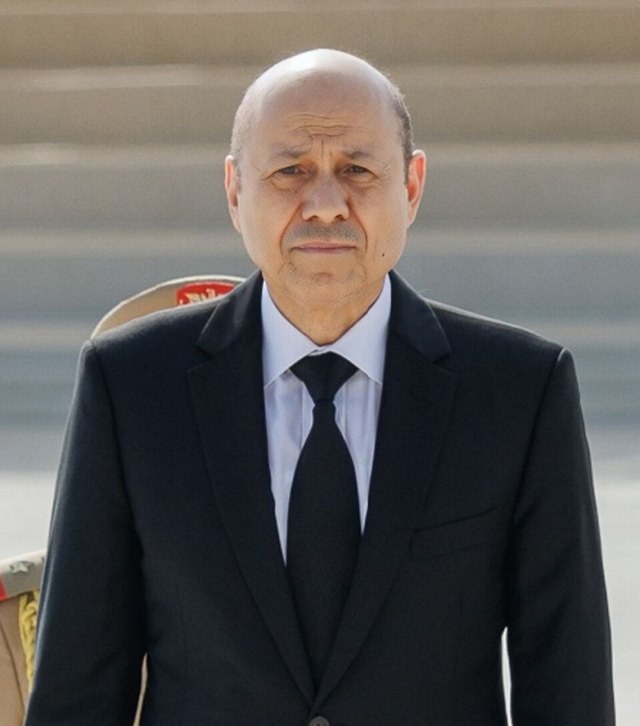
Yemen remains divided by civil war and does not have a single government exercising effective authority over the entire country. The internationally recognized side is headed by the Presidential Leadership Council, which replaced the individual presidency in 2022 and works with a cabinet in areas outside Houthi control. The Houthi movement, or Ansar Allah, maintains its own governing institutions in Sana'a and much of the north and northwest.
The prewar national parliament no longer functions as a unified representative legislature across Yemen. Institutions associated with the rival authorities continue to meet or issue laws in the areas they control, but the constitutional system established before the conflict is not operating normally nationwide.
Yemen is formally a unitary republic, although proposals for federalism were part of the prewar transition. In practice, authority is territorially fragmented among the Houthis, the internationally recognized government and its partners, and other regional and armed actors.