
Beyond the Beaches: Discovering Florida's Historic Coastal Communities
Beyond Florida's famous beaches, theme parks, and waterfront resorts lies another world: centuries-old streets, quiet fishing harbors, Victorian architecture, and communities whose stories reveal a side of the Sunshine State that many visitors never experience.
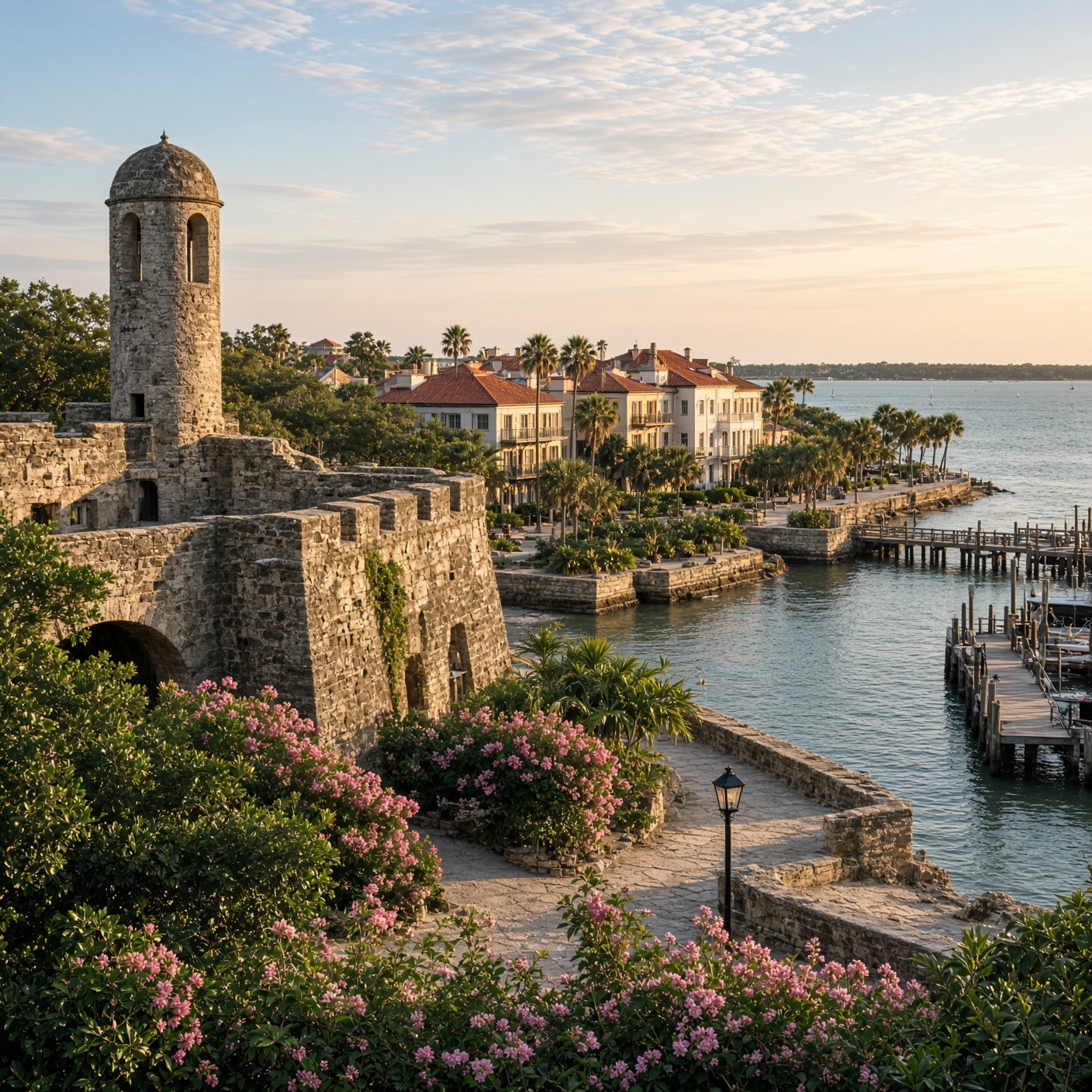
For millions of travelers, Florida means turquoise water, endless stretches of sand, and sun-soaked vacations. Those attractions are undeniably beautiful, but they represent only part of the state's extraordinary identity.
Follow its coastline beyond the busiest resorts and an entirely different Florida emerges. Here, narrow streets recall the ambitions of Spanish explorers, weathered docks tell stories of generations who made their living from the sea, and historic homes preserve the elegance of another century.
Places such as St. Augustine, Cedar Key, and Fernandina Beach offer something increasingly valuable in modern travel: a genuine sense of place. They invite visitors to slow down, pay attention, and discover how geography, culture, commerce, and tradition shaped life along Florida's shores. For more destinations across the country, explore the United States with Blahface Travel.
These destinations are more than charming places to spend an afternoon. Together, they reveal a remarkably diverse coastal history stretching from European colonial settlement to railroad expansion, maritime industries, and the preservation of architectural heritage.
St. Augustine: Where Centuries of History Meet the Atlantic
Walking through St. Augustine can feel like stepping into another century. Founded by Spanish settlers in 1565, the city is recognized as the oldest continuously occupied European-established settlement in the continental United States. Yet its history begins long before that date, on land already inhabited by Indigenous peoples.
Its distinctive character developed through centuries of Spanish and British rule, military conflict, cultural exchange, trade, and architectural evolution. Today, this history remains visible along narrow streets, historic plazas, stone fortifications, and buildings influenced by Spanish Colonial and later architectural traditions.
One of the city's most remarkable landmarks is Castillo de San Marcos, a massive masonry fortress overlooking Matanzas Bay. Construction began in 1672, more than a century after St. Augustine was established. Built from coquina, a limestone composed of compressed shell fragments, the fortress remains the oldest surviving masonry fortification in the continental United States.
Its weathered walls tell a complicated history involving imperial rivalry, warfare, Indigenous peoples, enslaved labor, and the strategic importance of Florida's Atlantic coast. Visitors today can explore the fort's structure, defensive features, and exhibits while looking across the same waterways that once carried military and commercial vessels.
Beyond the Fortress
The appeal of St. Augustine extends far beyond a single landmark. The historic district rewards visitors who prefer to explore on foot. St. George Street offers pedestrian-friendly surroundings filled with restaurants, shops, and historic architecture, while the Plaza de la Constitución recalls the city's Spanish town-planning origins.
Along the waterfront, the Bridge of Lions provides a memorable view of the Matanzas River. Nearby, the city's churches, museums, historic homes, and distinctive architectural details illustrate the many generations that contributed to its identity.
St. Augustine is especially appealing in the early morning, before the busiest sightseeing hours. Soft light over the bay, quiet streets, and the sound of church bells create an atmosphere that is difficult to appreciate when rushing from one attraction to another.
What to Experience in St. Augustine
- Castillo de San Marcos: Explore the historic fortress and learn about Spain's defensive network along the coast.
- St. George Street: Discover the pedestrian historic district and its preserved architectural character.
- Plaza de la Constitución: Visit a public gathering space rooted in centuries of town history.
- Bridge of Lions: Enjoy views of the waterfront and the connection between downtown and Anastasia Island.
- Local museums: Explore exhibits covering the city's diverse cultural and colonial past.
For travelers interested in history, St. Augustine offers an experience that goes beyond reading plaques or photographing old buildings. Its greatest attraction is the opportunity to see how a coastal settlement developed, endured, and adapted over more than four centuries.
Explore Castillo de San Marcos — National Park Service ↗Cedar Key: Where Fishing Traditions and Quiet Waters Endure
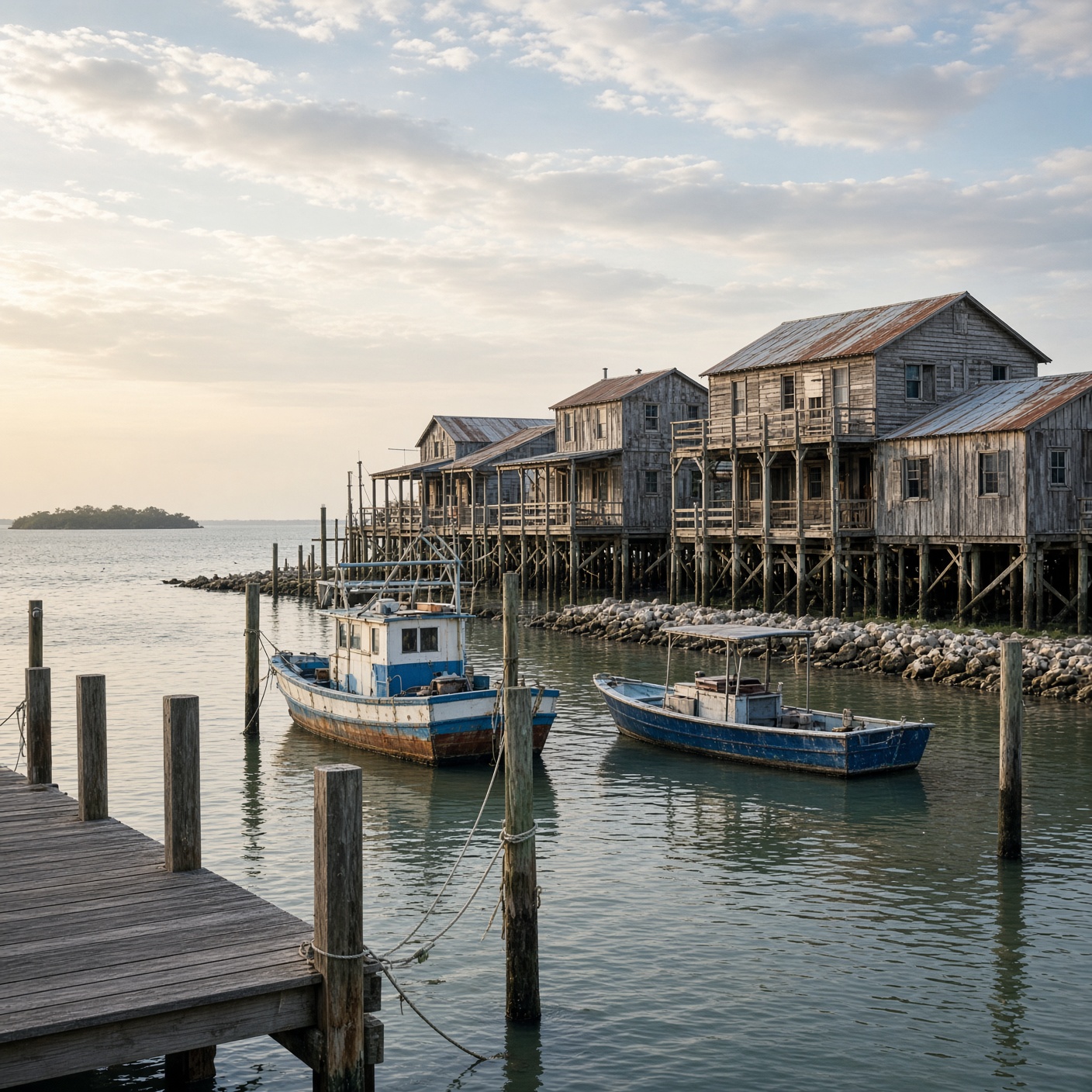
On Florida's Gulf Coast, Cedar Key offers an atmosphere vastly different from the polished waterfront developments found elsewhere in the state.
Situated among a cluster of small islands, this historic community has long been connected to the sea. Its character comes not from towering hotels or elaborate entertainment districts, but from coastal landscapes, working waterfront traditions, local businesses, and a pace of life that encourages visitors to appreciate the details.
Cedar Key's history reaches beyond fishing. During the nineteenth century, the community developed into an important center for the cedar timber industry. The arrival of the Florida Railroad, which connected Fernandina on the Atlantic coast to Cedar Key on the Gulf, strengthened its role in transportation and commerce.
Cedar wood was shipped for manufacturing, including pencil production. Over time, declining timber resources, shifting railroad routes, and a devastating hurricane in 1896 contributed to the industry's collapse. The community adapted, with fishing and other marine industries becoming central to its identity.
A Waterfront Shaped by Work and Nature
Today, Cedar Key is particularly known for its connections to commercial fishing and clam aquaculture. These industries distinguish it from communities whose waterfronts have become almost entirely recreational.
The surrounding coastal waters, tidal flats, marshes, and islands support wildlife and offer opportunities for birdwatching, paddling, boating, and nature photography. Rather than promising a conventional beach-resort experience, Cedar Key appeals to visitors who enjoy observing the relationship between a small community and its natural environment.
Its history is also one of resilience. Severe storms in recent years have damaged waterfront buildings and infrastructure, requiring rebuilding and recovery. Visitors should check current access, operating hours, and local conditions rather than assume every attraction or business is operating normally.
What to Experience in Cedar Key
- Cedar Key Museum State Park: Learn about the community's historic industries and local heritage.
- Historic waterfront: Explore the working-harbor atmosphere while respecting commercial operations and rebuilding areas.
- Local seafood: Discover Gulf Coast culinary traditions, including locally farmed clams when available.
- Coastal wildlife: Watch for shorebirds, marine life, and the changing character of tidal landscapes.
- Nature excursions: Consider guided paddling, boating, or fishing experiences with local operators.
Cedar Key reminds visitors that coastal history isn't always represented by grand architecture or famous monuments. Sometimes it lives in working boats, old industry, family businesses, and the determination of a community to sustain its identity despite economic change and powerful storms.
Discover Cedar Key Museum State Park ↗Fernandina Beach: An Island Town with an Architectural Soul
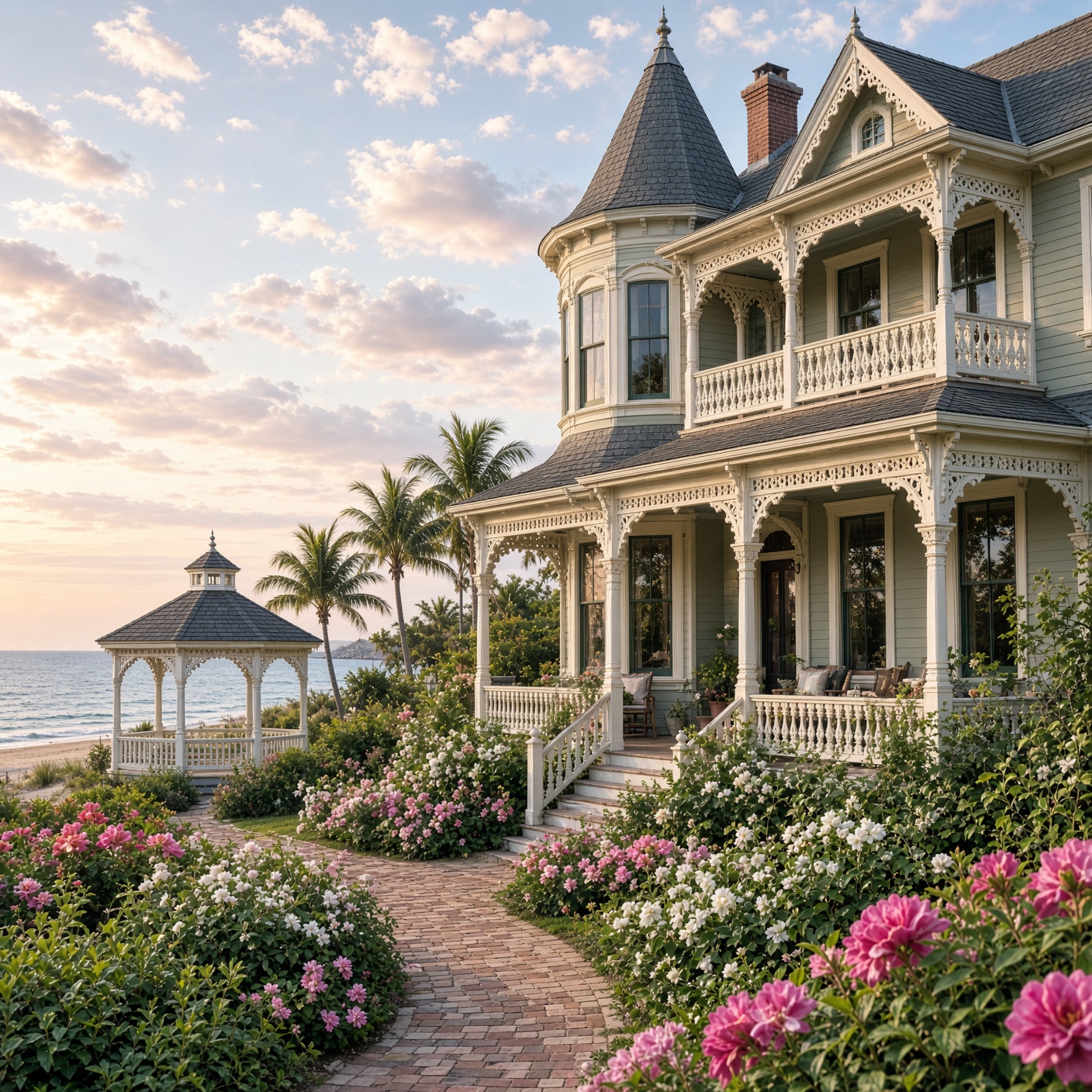
At Florida's northeastern edge, Amelia Island offers another compelling chapter in the state's coastal story. Its historic city of Fernandina Beach combines maritime heritage, an inviting downtown, and architectural traditions that distinguish it from many other Florida destinations.
The island's history includes Indigenous communities, European colonial competition, maritime commerce, and the development of the railroad. Its strategic location near the Georgia border and the Atlantic Ocean made it significant to successive powers and trading interests.
A particularly important turning point came during the nineteenth century when railroad development helped establish modern Fernandina's commercial prominence. The city became connected to Cedar Key by a rail route crossing Florida, bringing together the Atlantic and Gulf coasts in an ambitious transportation network.
As commerce expanded, Fernandina developed neighborhoods and buildings reflecting architectural styles popular during the late nineteenth and early twentieth centuries. Many of these structures survive today, contributing to the identity of the city's protected historic districts.
The Beauty of Preservation
Fernandina Beach's historic downtown is centered around Centre Street, where visitors encounter brick buildings, decorative facades, local shops, restaurants, and a streetscape that retains much of its traditional character.
Beyond downtown, historic residential neighborhoods display architectural details associated with Victorian-era design, including elaborate woodwork, generous porches, ornamental trim, and distinctive rooflines.
These details are more than decorative. They reflect past preferences, building technologies, economic prosperity, and the cultural influences that shaped Florida's coastal communities during periods of expansion.
The city's Old Town Historic District adds another layer to the story. Its historic street plan dates to the Spanish period, offering a contrast to the later commercial development of modern downtown Fernandina.
What to Experience in Fernandina Beach
- Historic Centre Street: Explore the downtown district's architecture, independent businesses, and local restaurants.
- Victorian-era neighborhoods: Observe preserved historic homes and decorative architectural details from public streets.
- Amelia Island Museum of History: Learn about the island's layered cultural and maritime past.
- Old Town Historic District: Discover the community's earlier Spanish-period street plan.
- Waterfront and harbor: Appreciate the city's historic relationship with shipping, trade, and coastal life.
Fernandina Beach is particularly rewarding for visitors who enjoy architecture, independent shops, leisurely walks, and historic neighborhoods. Its appeal is not limited to what can be photographed; it lies equally in understanding why these places were built and why preserving them matters.
Explore Fernandina Beach Historic Districts ↗Three Communities, One Remarkable Coastal History
Although St. Augustine, Cedar Key, and Fernandina Beach look remarkably different, they share something essential: each developed because of its relationship with the water.
For St. Augustine, the coast offered strategic access and a defensible location for a Spanish colonial settlement. For Cedar Key, the surrounding Gulf waters and transportation connections supported timber, fishing, and marine commerce. For Fernandina Beach, its Atlantic location helped transform the island into a center of maritime trade and railroad development.
Each community has faced the pressures of change. Economic transitions, storms, modernization, tourism, and historic preservation have all influenced the places visitors see today. Their continued existence reflects not a frozen moment in history, but generations of adaptation.
St. Augustine
Best for: Spanish colonial history, fortifications, museums, and historic streets.
Cedar Key
Best for: Old Florida fishing heritage, quiet Gulf scenery, wildlife, and coastal traditions.
Fernandina Beach
Best for: Victorian-era architecture, preserved downtown streets, and island history.
How to Explore Florida's Historic Coastal Towns
Traveling through historic coastal Florida is best approached differently from a conventional resort vacation. Instead of filling every hour with scheduled attractions, allow time for walking, conversation, museums, independent businesses, and the unexpected discoveries that make smaller communities memorable.
Visit During Comfortable Walking Weather
Florida's cooler months often provide more pleasant conditions for exploring outdoor historic districts. Spring and autumn can also be enjoyable, though visitors should remain aware of seasonal weather, including the Atlantic hurricane season from June through November.
Make Time for Local History
Museums, preservation organizations, and historic sites provide essential context that is easy to miss when sightseeing independently. Learning about Indigenous history, colonial conflict, labor, commerce, and environmental change adds depth to the experience.
Support the Communities You Visit
Consider locally owned restaurants, shops, accommodations, and guides. In smaller coastal towns, visitor spending can help sustain businesses and local employment, particularly in communities recovering from severe weather.
Respect Historic Properties
Many older homes remain private residences. Enjoy their architecture from public streets, observe posted restrictions, and avoid entering private grounds without permission.
Travel planning note: Historic-site access, business operating hours, tours, restoration projects, and storm-recovery conditions can change. Confirm current information with official tourism offices, local businesses, and park authorities before visiting.
Frequently Asked Questions
What is the oldest historic coastal town in Florida?
St. Augustine, founded by Spanish settlers in 1565, is the oldest continuously occupied European-established settlement in the continental United States. Its history also includes Indigenous communities that inhabited the region before European colonization.
Which Florida coastal town is best for Victorian architecture?
Fernandina Beach on Amelia Island is an excellent choice. Its protected historic districts include architecture associated with the city's growth during the late nineteenth and early twentieth centuries.
Where can visitors experience traditional Old Florida fishing culture?
Cedar Key is known for its maritime heritage, commercial fishing connections, and clam aquaculture, making it a compelling destination for travelers interested in Gulf Coast traditions.
Can these three communities be visited in one day?
They are too far apart for a meaningful single-day visit. St. Augustine and Fernandina Beach can be combined into a northeastern Florida itinerary, while Cedar Key is better planned as a separate Gulf Coast destination or part of a longer Florida road trip.
Discover the Florida That Time Hasn't Erased
Florida's natural beauty will always draw people to its shores. Yet some of its most meaningful experiences are found away from the familiar beach umbrellas, beachfront towers, and crowded attractions.
They can be discovered in the ancient stone defenses of St. Augustine, the working waterfront traditions of Cedar Key, and the architectural elegance of Fernandina Beach.
Each town has its own story. Together, they reveal a Florida shaped by exploration, trade, resilience, cultural change, and generations of people who built their lives along the water.
The next time you travel through the Sunshine State, consider taking a different road. Wander through a historic district. Visit a local museum. Watch fishing boats return to harbor. Look closely at the craftsmanship of an old building.
You may discover that some of Florida's greatest treasures aren't found on its beaches at all.
Explore Further — Historical and Travel Resources
National Park Service: Castillo de San Marcos ↗ St. Augustine Historic District ↗ Cedar Key's Timber History ↗ Visit Florida: Cedar Key ↗ Fernandina Beach Historic Districts ↗Blahface Travel | Evergreen Editorial Feature. Images are AI-generated artistic interpretations inspired by historic Florida coastal communities and should not be considered exact documentary photographs of identifiable landmarks or properties.