
Four Things to Know
Across Europe and beyond, public squares, university campuses and major city streets have become gathering places for people demanding change.
Some demonstrators are protesting rising housing costs. Others are challenging education policies, alleged government corruption, economic hardship or restrictions on political freedoms.
Students and younger adults have emerged as prominent voices in several movements, although participation often extends across different generations and communities.
These demonstrations are not necessarily connected. Their organizers, objectives and political circumstances vary considerably.
Yet many reflect a recognizable frustration: the distance between what citizens expect from governments and what they believe those governments are delivering.
1. Europe: Different Countries, Different Grievances
A closer look at Europe illustrates why similar scenes of public demonstration can represent very different political and economic concerns.
Economic Frustration and Public Services
France has a long history of public demonstrations and labor activism. Concerns about household affordability, education and public services continue to shape political debate.
Large demonstrations can bring questions of government spending and reform into the national spotlight. When disorder occurs alongside peaceful gatherings, authorities must also balance public safety with freedom of assembly.
The Cost of Everyday Life
Household expenses, employment opportunities and economic uncertainty can become significant sources of political dissatisfaction.
For Italy, debates over wages, housing and purchasing power highlight the question of whether national economic performance is translating into greater financial stability for ordinary households.
When Housing Becomes Political
Housing affordability has become an important public concern, particularly for residents of cities where rents and property prices affect their ability to remain in local communities.
The issue extends beyond individual household finances to larger questions about urban development, economic growth and government priorities.
Education, Costs and Opportunity
Education policy and financial pressures on students can generate demonstrations when proposed changes are perceived as limiting access to higher education.
For younger participants, these debates concern more than immediate expenses. They can influence expectations about employment and long-term opportunity.
Political Trust and Accountability
Concerns about political leadership, transparency and allegations of corruption can bring together participants with different political priorities.
As demonstrations expand beyond their original demands, individual policy disputes can develop into broader questions about governance and public confidence.
Demanding Institutional Responsibility
The deadly November 2024 railway station canopy collapse in Novi Sad sparked protests demanding accountability for alleged negligence and corruption.
Student-led activism helped turn the tragedy into a broader debate over institutional oversight, public safety and government transparency.
2. Beyond Europe: Protest Movements Cross Continents
Public dissatisfaction is not limited to Europe. Economic hardship, political restrictions and social tensions can influence demonstrations in countries with very different histories and political systems.
Economic Hardship and Political Freedoms
Tunisia continues to face debates over unemployment, living conditions, political representation and the strength of public institutions.
Its history as a central country in the Arab Spring gives contemporary questions about civil liberties and political accountability particular significance.
Inequality and Immigration Tensions
Economic inequality, high unemployment and concerns over access to services can intersect with disputes about immigration.
Some anti-migrant mobilization has created risks of intimidation and violence, underscoring the importance of protecting both lawful assembly and vulnerable communities.
3. Why Are People Taking to the Streets?
Although no single explanation applies to every movement, several concerns repeatedly emerge in discussions of public dissatisfaction.
Four Pressures Driving Public Protest
Economic, political and social conditions can overlap, creating tensions that extend beyond any single policy dispute.
Housing & Living Costs
Rents, food prices, energy expenses and financial uncertainty influence daily life.
Government Accountability
Corruption allegations and disputed decisions can weaken confidence in institutions.
Education & Opportunity
Students and younger adults are concerned about educational access, jobs and the future.
Civic Rights & Freedoms
Concerns over political representation and freedom of assembly can motivate mobilization.
Public demonstrations may be sparked by a single government decision or incident, but deeper dissatisfaction can make an issue resonate with a much larger audience.
In some countries, economic grievances overlap with allegations of corruption. In others, educational policy or civil liberties become the central concern.
Understanding those differences is necessary before drawing conclusions about what demonstrators want.
4. How Social Media Is Changing Protest Movements
Digital platforms have changed how public demonstrations are organized, documented and understood.
Organizers can communicate meeting locations, publicize their demands and share information rapidly. Photographs and videos allow international audiences to observe local events almost immediately.
Citizens in different countries may compare their experiences and adapt organizational strategies without belonging to the same political movement.
But greater visibility comes with risks.
Old footage can circulate as though it were recorded that day. Images can be misidentified, and misleading claims may spread before reliable information becomes available.
Four Questions to Ask About Viral Protest Footage
5. Peaceful Protest Is Not the Same as Rioting
One of the most important responsibilities in covering public unrest is distinguishing lawful peaceful assembly from violent disorder.
Peaceful Demonstration
Marches, speeches, signs, gatherings and organized expressions of dissent intended to influence public policy.
Peaceful participation remains distinct from isolated criminal acts by other individuals.Violent Disorder
Acts involving physical violence, destructive conduct, intimidation or serious public disorder.
Legal definitions of rioting and associated offenses vary by jurisdiction.A demonstration can include thousands of peaceful participants while a smaller group engages in violence or property destruction.
Those acts should be examined and reported without automatically characterizing every participant as responsible.
Governments must protect public safety while respecting freedom of expression and peaceful assembly. Protest organizers must also consider how to communicate their objectives and discourage violence.
6. How Governments Respond to Public Unrest
Government responses vary depending on political institutions, public demands and the circumstances surrounding demonstrations.
Some leaders pursue negotiations or reforms. Others emphasize policing, enforcement of public-order laws or the legitimacy of existing policies.
Three Common Paths
These approaches are not mutually exclusive. Governments may pursue reforms while also maintaining essential services and addressing unlawful conduct.
The effectiveness of a response cannot necessarily be measured by whether demonstrations disappear. Public trust, implementation of promised reforms and institutional accountability remain important over time.
7. Why Younger Generations Are Speaking Out
Students and younger workers have played significant roles in political movements throughout history, and contemporary demonstrations continue to highlight their influence.
Education costs, employment prospects, housing affordability and financial independence can shape younger generations' expectations about the future.
Digital communication makes it easier to coordinate events and attract attention without relying entirely on traditional political organizations.
Nevertheless, protest movements are not exclusively youthful. Workers, retirees, parents, professionals and other residents may also become involved.
Broader participation can transform a demonstration focused on one issue into a larger public movement.
8. Is the World Entering a New Era of Protest?
The international visibility of demonstrations raises an important question: Are societies entering a new period of political mobilization?
History contains numerous waves of protest, from labor and civil rights movements to campaigns for democratic reform.
Today's demonstrations may appear especially widespread partly because digital media makes local events visible around the world almost instantly.
That does not automatically establish that protest activity has reached unprecedented levels.
Reliable comparisons require consistent information about the number of events, participation, location and changes over time.
Organizations such as ACLED collect data that can help researchers study protest and political violence patterns across countries.
9. What Determines Whether Demonstrations Produce Change?
Large crowds can attract attention, but visibility alone does not guarantee political reforms.
What May Shape the Outcome?
The longer-term results may become visible through elections, public policy changes, institutional investigations or continuing political debate.
Unresolved economic and social grievances may also persist after an individual demonstration ends.
10. What Happens Next?
Shared questions about accountability.
Political leaders face continuing questions about economic stability, public services, government accountability and civic freedoms.
Demonstrators, meanwhile, must consider how to sustain public attention and translate their demands into achievable changes.
Will governments negotiate? Will peaceful movements lead to reforms? Can authorities maintain public safety while protecting the right to assemble?
And will the underlying concerns remain after the crowds disperse?
There is no single answer applicable to every country. France's debates over public services, Portugal's housing concerns, Serbia's calls for accountability and Tunisia's political challenges arise from different histories and circumstances.
Yet their broader significance lies in the relationship between citizens and the institutions that govern them.
The true importance of public protest is not measured solely by the number of people in the streets, but by whether the concerns motivating them receive a meaningful response.
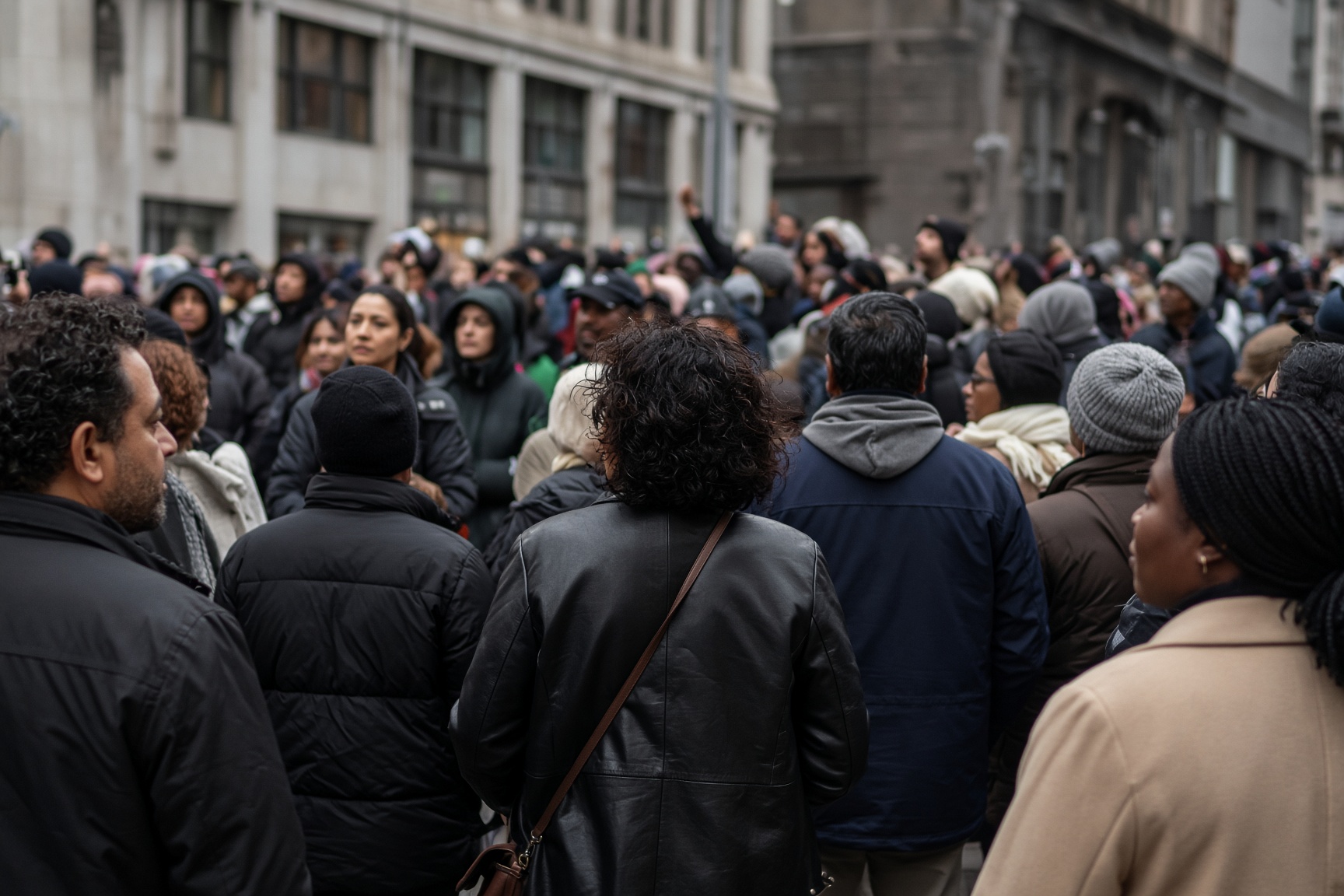
Editorial note: This Blahface Perspective article presents independent analysis based on publicly available information and general economic and political considerations. It does not claim firsthand reporting or interviews. Country circumstances may change, and readers should consult current reporting for individual protest developments. The featured image is an editorial illustration of a public gathering and is not represented as documentation of a particular protest.