
Before You Go
- Confirm passport validity and entry requirements.
- Check whether a tourist visa is required.
- Keep digital copies of important documents.
- Consider purchasing travel insurance.
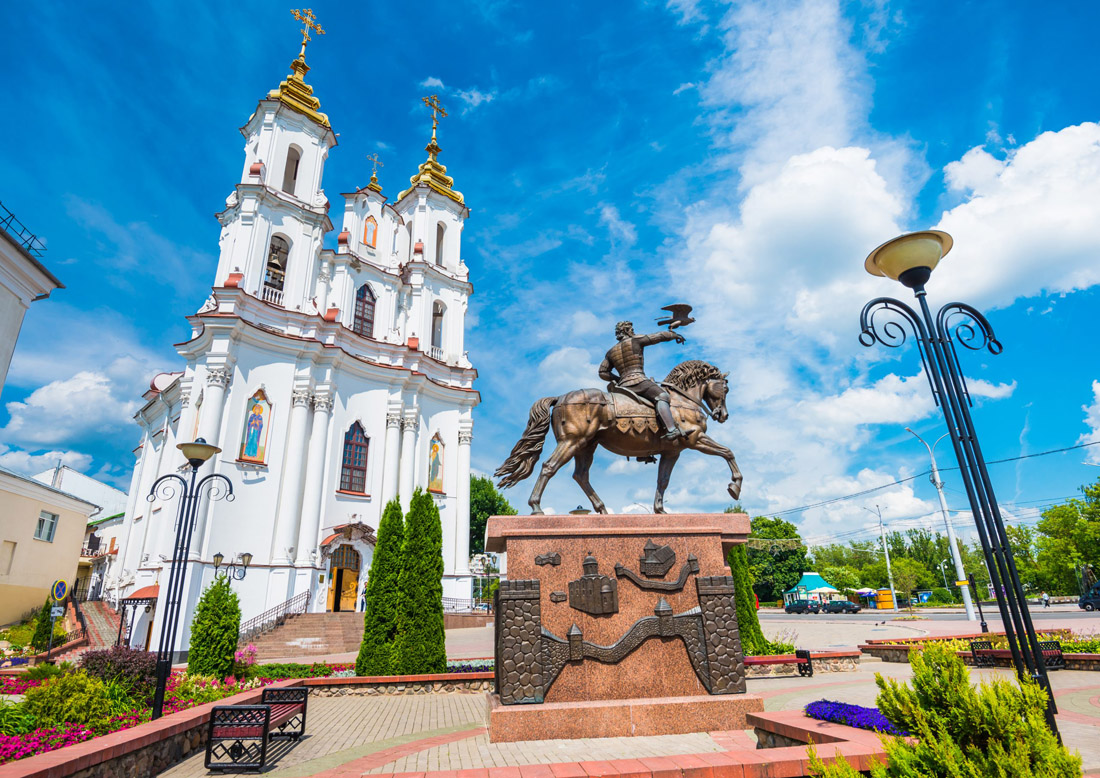

Welcome to Belarus, a country of vast forests, tranquil lakes, and a rich blend of Slavic history and tradition. Minsk, the capital, showcases wide boulevards, grand Soviet-era architecture, and a growing modern energy in its cafés and cultural spaces. Belarus is home to the ancient Białowieża Forest, one of the last and largest remaining parts of the primeval forest that once covered much of Europe, sheltering wild European bison. Historic castles like Mir and Nesvizh, both UNESCO World Heritage Sites, transport visitors back to centuries of noble history. The countryside unfolds in a patchwork of lakes, rivers, and rolling green fields, ideal for peaceful exploration. Traditional villages preserve age-old crafts, folk music, and warm hospitality passed down through generations. Belarus's museums and monuments offer a thoughtful, often moving look into its complex twentieth-century history. Belarus welcomes travelers to discover a quiet, green corner of Europe rich in nature and heritage.