Blahface.com Uniting People Online

Papua New Guinea

Capital

Port Moresby

Currency

Papua New Guinean Kina (PGK)

Language

English, Tok Pisin, Hiri Motu

Best Time

May–Oct

Time Zone

PGT (UTC+10)

Flag of Papua New Guinea
Welcome to Papua New Guinea

Papua New Guinea's Untamed Highlands

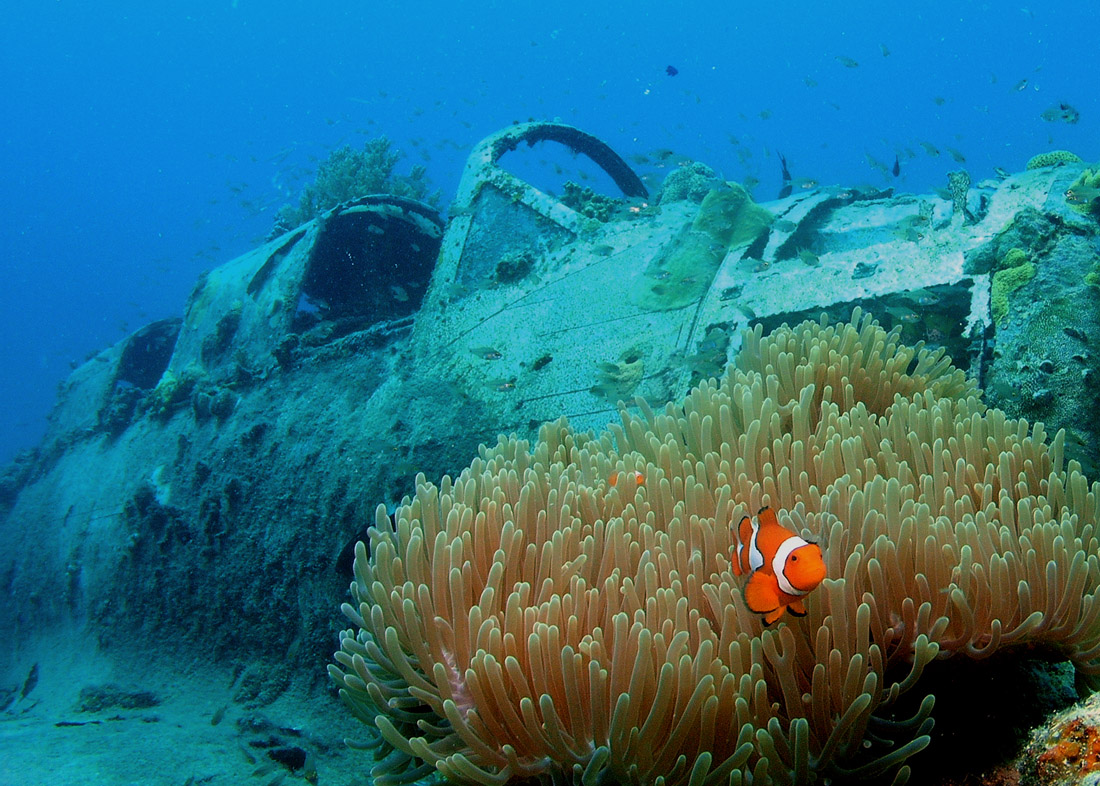
Welcome to Papua New Guinea, a country of staggering cultural and biological diversity across rugged highlands and remote islands. Home to over 800 languages, Papua New Guinea holds one of the most culturally diverse populations on Earth. The Highlands' traditional tribes showcase elaborate face paint, feathered headdresses, and vibrant sing-sing festivals. Port Moresby, the capital, offers a gateway to the country's dramatic mountains, rainforests, and coral reefs. World War II history remains visible along the Kokoda Track, a challenging trek through dense jungle. Papua New Guinea's surrounding waters offer some of the richest and most pristine diving on Earth. Remote villages throughout the country maintain traditions largely unchanged for generations. Papua New Guinea invites the most adventurous travelers to discover one of the last truly untamed frontiers.

Popular City

Port Moresby

Port Moresby, Papua New Guinea’s capital, offers the National Museum and Art Gallery, home to an extensive collection of traditional artifacts, masks, and carvings representing the country’s more than eight hundred distinct language groups. The Parliament Haus, built in the style of a traditional spirit house, is one of the city’s most distinctive buildings. Ela Beach offers a relaxed stretch of coastline within the capital, popular for sunset walks despite the busy city surrounding it. Nearby Varirata National Park provides hiking trails through rainforest with views over the Coral Sea and opportunities to spot birds of paradise. Port Moresby serves as the practical gateway before exploring Papua New Guinea’s remote highlands and islands. Its markets offer an introduction to the extraordinary cultural diversity found throughout the country.

Travel News

Popular City

Lae

Lae, Papua New Guinea’s second city, is known for the Lae Botanical Gardens, one of the best places in the country to see the national flower, the orchid, alongside birds of paradise in a landscaped setting. The Lae War Cemetery honors Allied soldiers who fought in the brutal New Guinea campaign of World War Two. The city serves as the main port for the country’s highlands region, with the Highlands Highway beginning its climb into the mountains from here. Local markets sell produce grown in the fertile Markham Valley surrounding the city. Lae’s role as an industrial and shipping hub gives it a more practical character than a typical tourist destination. It remains an important stop for travelers heading into the Highlands or exploring wartime history in the region.

Travel Tips

Helpful information to consider before and during your visit.

Before You Go

  • Confirm passport validity and entry requirements.
  • Check whether a tourist visa is required.
  • Keep digital copies of important documents.
  • Consider purchasing travel insurance.

Money & Payments

  • Review the local currency and exchange rate.
  • Carry some cash for small businesses and markets.
  • Check for international bank transaction fees.
  • Learn the country's customary tipping practices.

Stay Connected

  • Review your mobile carrier's international plan.
  • Consider purchasing a local SIM or eSIM.
  • Download maps for offline use before traveling.
  • Avoid sensitive transactions on unsecured Wi-Fi.

Transportation

  • Research public transportation before arrival.
  • Use licensed taxis or reputable rideshare services.
  • Check which side of the road vehicles use.
  • Confirm whether an international permit is needed.

Electricity

  • Check the country's voltage and outlet type.
  • Bring the correct plug adapter for your devices.
  • Use a voltage converter when required.
  • Pack a portable charger for longer excursions.

Weather & Clothing

  • Review the seasonal weather before packing.
  • Bring layers for changing temperatures.
  • Pack rain protection when appropriate.
  • Use sunscreen even on cool or cloudy days.

Food & Water

  • Research whether tap water is safe to drink.
  • Communicate food allergies clearly.
  • Try traditional dishes from reputable vendors.
  • Observe local dining customs and meal times.

Safety

  • Secure valuables in crowded tourist areas.
  • Avoid displaying large amounts of cash.
  • Share your itinerary with someone you trust.
  • Review current government travel advisories.

Language & Etiquette

  • Learn a few polite words in the local language.
  • Respect dress requirements at religious sites.
  • Ask permission before photographing people.
  • Follow local traditions, laws and social customs.

Emergency Planning

  • Save the country's emergency telephone number.
  • Locate your nearest embassy or consulate.
  • Keep medication in its original packaging.
  • Store emergency contacts offline and on paper.

Smart Packing

  • Pack comfortable shoes for walking and tours.
  • Keep essential medication in your carry-on.
  • Bring a reusable bottle where appropriate.
  • Leave room for locally purchased items.

Local Research

  • Check attraction hours and reservation policies.
  • Review national holidays and local closures.
  • Download important addresses before departure.
  • Leave flexibility for unexpected discoveries.
Important: Entry requirements, transportation rules, weather conditions and safety guidance can change. Verify important information with official sources before traveling.

Popular City

Mount Hagen

Mount Hagen, set amid Papua New Guinea’s dramatic central highlands, is best known for its cultural show, one of the largest gatherings of traditional tribes in the Pacific, where thousands of performers in elaborate feathered headdresses and painted faces demonstrate traditional dance. The surrounding highlands offer some of the most striking mountain scenery in the country. Local markets sell produce grown in the fertile highland valleys, along with traditional bilas, the decorative items used in ceremonial dress. The region’s coffee, grown at high altitude, has developed a strong reputation among specialty roasters worldwide. Mount Hagen’s highland setting and cultural festivals offer a vivid, immersive look at Papua New Guinea’s tribal diversity. Few places in the Pacific showcase such a concentration of distinct traditional cultures in a single region.

Local Food to Try

Discover some of Papua New Guinea's most popular flavors, traditional dishes and memorable local treats during your visit.

Mumu

Mumu is a signature Papua New Guinea specialty known for its distinctive local ingredients, seasoning and traditional preparation.

Sago Pancakes

This popular Papua New Guinea dish brings together familiar regional flavors and is commonly enjoyed in homes, markets or local restaurants.

Kaukau

A well-loved part of Papua New Guinea cuisine, Kaukau reflects the country's culinary traditions and locally available ingredients.

Kokoda

Kokoda is a comforting regional favorite, prepared in styles that may vary between families, cities and different parts of Papua New Guinea.

Taro with Coconut

Visitors often seek out Taro with Coconut for an authentic taste of Papua New Guinea's everyday cooking and food culture.

Grilled River Fish

This traditional favorite highlights the bold, savory or gently spiced flavors associated with cooking in Papua New Guinea.

Chicken Pot

Chicken Pot is widely recognized in Papua New Guinea and is often served at casual meals, celebrations or community gatherings.

Saksak

A memorable choice for travelers, Saksak offers a flavorful introduction to the ingredients and techniques used across Papua New Guinea.

Banana Fritters

This classic food is an important part of Papua New Guinea's culinary identity and is best sampled freshly prepared.

Dining tip: Regional specialties and preparation styles vary throughout Papua New Guinea. Explore local markets, independent cafΓ©s and family-owned restaurants for an authentic taste of the destination.

Little-Known Facts

Papua New Guinea

Papua New Guinea is considered one of the most linguistically diverse countries in the world, with over 800 distinct languages spoken among its population, more than any other single nation, a result of its extremely rugged terrain that historically isolated communities from one another. The country makes up the eastern half of the island of New Guinea, the second-largest island in the world, and its interior remains so remote and mountainous that some communities had little to no contact with the outside world until well into the 20th century.

Papua New Guinea is home to the bird-of-paradise, a family of strikingly colorful birds famous for elaborate mating displays, and the birds hold such deep cultural significance that one appears on the country's national flag. The country also sits along the Pacific Ring of Fire and experiences frequent volcanic activity and earthquakes, and its Sepik River region is known for elaborate traditional wood carving and ceremonial architecture found in few other parts of the world.

Despite gaining independence from Australia only in 1975, Papua New Guinea's highland regions preserve some of the oldest continuous agricultural traditions on Earth, with archaeological evidence of farming in the area dating back nearly 10,000 years, among the earliest known anywhere in the world.