
Before You Go
- Confirm passport validity and entry requirements.
- Check whether a tourist visa is required.
- Keep digital copies of important documents.
- Consider purchasing travel insurance.
Asunción
Paraguayan Guaraní (PYG)
Spanish, Guaraní
May–Sep
PYT (UTC−4)
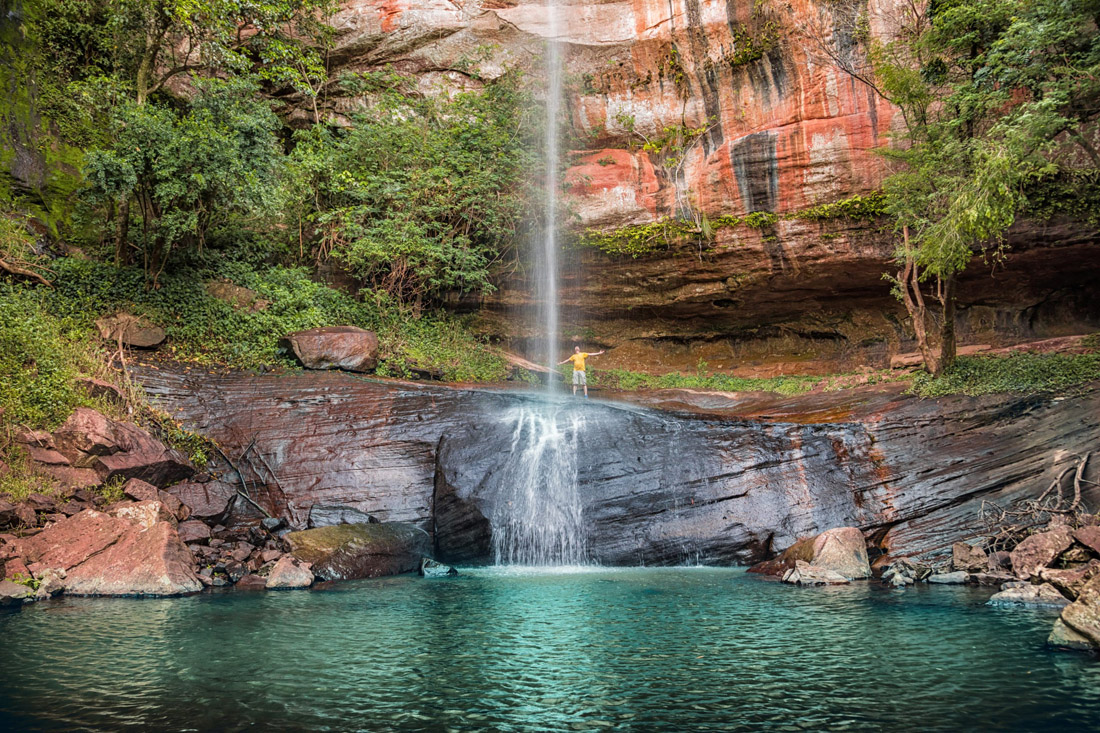
Welcome to Paraguay, a landlocked South American country where wide rivers, wetlands, and Jesuit ruins reveal a rich, understated history. Asunción, the capital, offers a relaxed introduction to Paraguayan culture along the banks of the Paraguay River. The Jesuit Missions of La Santísima Trinidad, a UNESCO World Heritage Site, reveal remarkably preserved colonial religious architecture. The Pantanal and Paraguayan Chaco offer vast wetlands and dry forest teeming with wildlife, including jaguars and giant anteaters. Paraguay's guaraní culture and language remain deeply woven into daily life, distinguishing it from its South American neighbors. Traditional ñandutí lace-making showcases intricate craftsmanship passed down through generations. The country's slower pace and lesser-visited status offer an authentic, uncrowded South American experience. Paraguay invites travelers to discover a quietly rich country full of history and natural beauty.

Helpful information to consider before and during your visit.
Discover some of Paraguay's most popular flavors, traditional dishes and memorable local treats during your visit.
Sopa Paraguaya is a signature Paraguay specialty known for its distinctive local ingredients, seasoning and traditional preparation.
This popular Paraguay dish brings together familiar regional flavors and is commonly enjoyed in homes, markets or local restaurants.
A well-loved part of Paraguay cuisine, Mbejú reflects the country's culinary traditions and locally available ingredients.
Bori Bori is a comforting regional favorite, prepared in styles that may vary between families, cities and different parts of Paraguay.
Visitors often seek out Vori Vori for an authentic taste of Paraguay's everyday cooking and food culture.
This traditional favorite highlights the bold, savory or gently spiced flavors associated with cooking in Paraguay.
Pira Caldo is widely recognized in Paraguay and is often served at casual meals, celebrations or community gatherings.
A memorable choice for travelers, Payagua Mascada offers a flavorful introduction to the ingredients and techniques used across Paraguay.
This classic food is an important part of Paraguay's culinary identity and is best sampled freshly prepared.
Paraguay is one of only two landlocked countries in South America, alongside Bolivia, yet it maintains river access to the Atlantic Ocean via the Paraná and Paraguay Rivers, which serve as vital trade corridors for its otherwise landlocked economy. The country is home to the Itaipu Dam, built jointly with Brazil, which for years was the largest hydroelectric power plant in the world by output and still ranks among the largest, generating a substantial share of both nations' electricity.
Paraguay is unusual in that Guaraní, an indigenous language, is spoken by the majority of the population alongside Spanish and holds official status equal to Spanish, a rare example of a widely spoken indigenous language surviving as a dominant tongue in a Latin American nation rather than being marginalized. The country's history includes the devastating War of the Triple Alliance in the 1860s, one of the bloodiest conflicts in South American history, which some historians estimate killed a majority of Paraguay's adult male population.
Paraguay is also home to significant Mennonite colonies in its Chaco region, communities that settled the harsh, sparsely populated area beginning in the 1920s and have since transformed it into a notably productive agricultural zone.