Blahface.com Uniting People Online

São Tomé and Príncipe

Capital

São Tomé

Currency

Dobra (STN)

Language

Portuguese

Best Time

Jun–Sep

Time Zone

GMT (UTC+0)

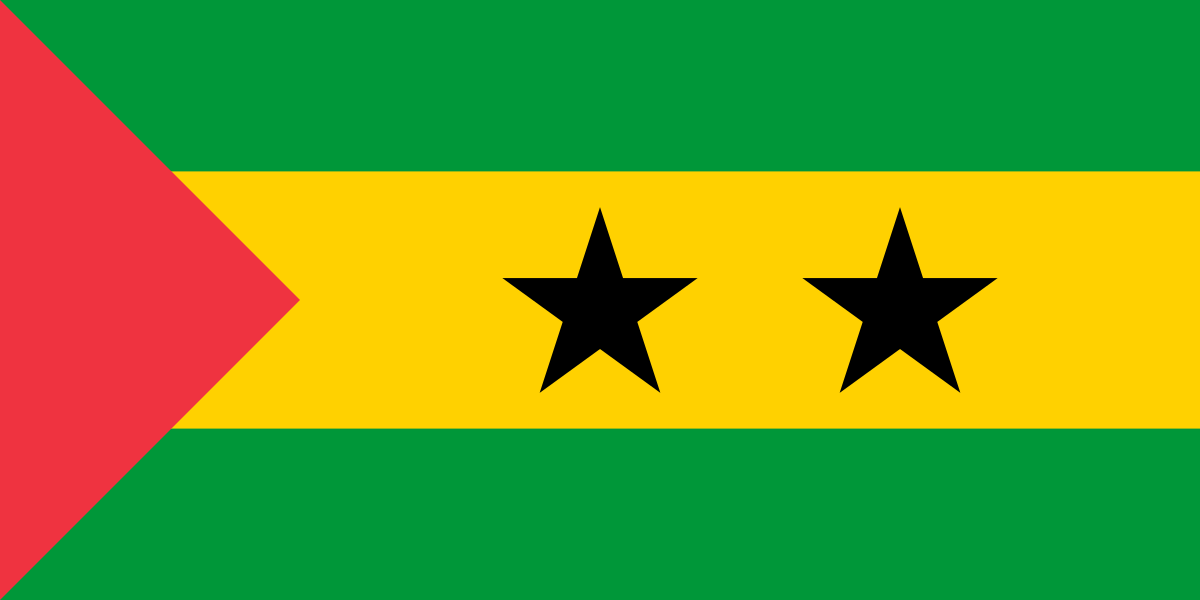
Flag of São Tomé and Príncipe
Welcome to São Tomé and Príncipe

São Tomé and Príncipe's Volcanic Rainforest

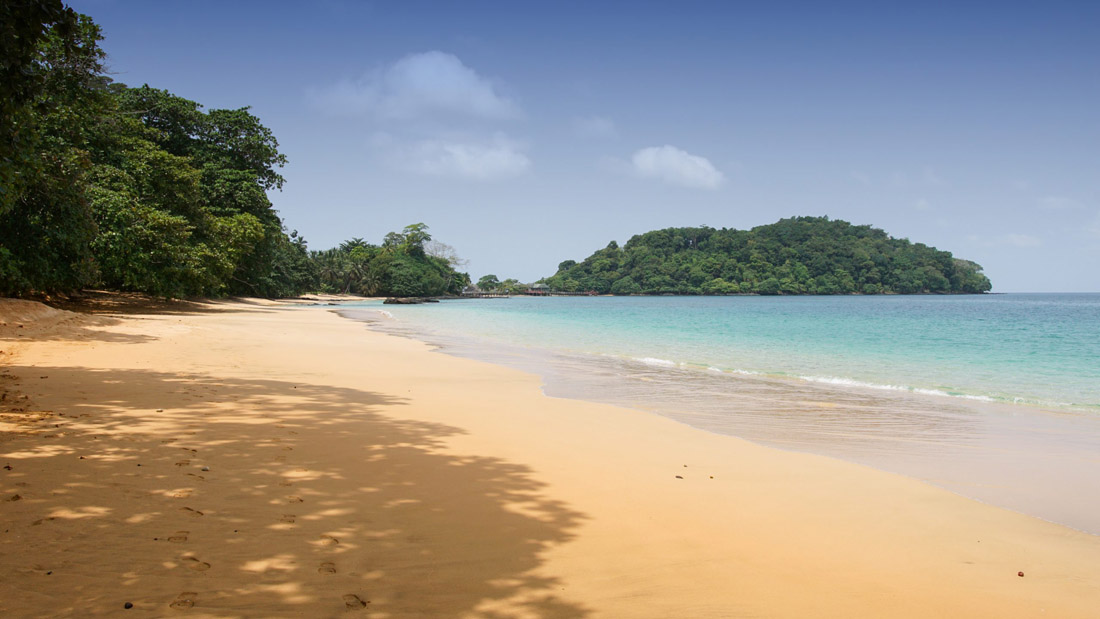
Welcome to São Tomé and Príncipe, a small volcanic island nation off the coast of Central Africa, cloaked in lush rainforest. Cocoa and coffee plantations, remnants of colonial history, now offer scenic tours amid the islands' fertile volcanic soil. São Tomé, the capital, blends Portuguese colonial architecture with a relaxed equatorial atmosphere. The islands' dramatic volcanic peaks rise directly from the sea, creating striking, jungle-covered landscapes. Pristine beaches and coral reefs surround the islands, offering excellent snorkeling largely undiscovered by tourism. Príncipe, the quieter of the two main islands, offers an even more remote and unspoiled escape. Sea turtles nest along the islands' beaches, adding to the destination's rich natural biodiversity. São Tomé and Príncipe invites travelers to discover a hidden, lush island paradise in the Gulf of Guinea.

Popular City

São Tomé

Sao Tome, the capital of this small equatorial island nation, retains Portuguese colonial architecture around Independence Square and the waterfront Fort of Sao Sebastiao, now home to the national museum. The city’s markets sell cocoa, once the backbone of the island’s economy, alongside fresh produce and fish. Nearby beaches, including Praia Micondo, offer black volcanic sand framed by coconut palms just outside the capital. The island’s rainforested interior, visible from many points in the city, hints at Sao Tome’s exceptional biodiversity, including numerous endemic bird species. Old cocoa plantations, or rocas, some now partially restored, dot the countryside surrounding the capital and offer insight into the island’s colonial-era agricultural economy. Sao Tome’s blend of colonial architecture and lush, rarely visited natural surroundings make it one of Africa’s most under-the-radar destinations.

Travel News

Popular City

Santo Antonio

Santo Antonio, the capital of Principe island, is one of the smallest capital towns in the world, its quiet streets surrounded by dense rainforest and dramatic volcanic peaks. The island’s remoteness has helped preserve an exceptional array of endemic wildlife, with Principe designated a UNESCO Biosphere Reserve. Nearby beaches like Praia Banana curve in a perfect arc of white sand framed by leaning palm trees, considered among the most beautiful and least crowded in Africa. Boat trips around the island reveal dramatic volcanic rock formations, including the towering spire of Pico Cao Grande visible from parts of the coast. Santo Antonio’s tiny scale and surrounding wilderness give Principe an untouched, castaway character rare anywhere in the world. It rewards travelers willing to make the journey to one of the most remote corners of the Gulf of Guinea.

Travel Tips

Helpful information to consider before and during your visit.

Before You Go

  • Confirm passport validity and entry requirements.
  • Check whether a tourist visa is required.
  • Keep digital copies of important documents.
  • Consider purchasing travel insurance.
Money & Payments

  • Review the local currency and exchange rate.
  • Carry some cash for small businesses and markets.
  • Check for international bank transaction fees.
  • Learn the country's customary tipping practices.

Stay Connected

  • Review your mobile carrier's international plan.
  • Consider purchasing a local SIM or eSIM.
  • Download maps for offline use before traveling.
  • Avoid sensitive transactions on unsecured Wi-Fi.

Transportation

  • Research public transportation before arrival.
  • Use licensed taxis or reputable rideshare services.
  • Check which side of the road vehicles use.
  • Confirm whether an international permit is needed.

Electricity

  • Check the country's voltage and outlet type.
  • Bring the correct plug adapter for your devices.
  • Use a voltage converter when required.
  • Pack a portable charger for longer excursions.

Weather & Clothing

  • Review the seasonal weather before packing.
  • Bring layers for changing temperatures.
  • Pack rain protection when appropriate.
  • Use sunscreen even on cool or cloudy days.

Food & Water

  • Research whether tap water is safe to drink.
  • Communicate food allergies clearly.
  • Try traditional dishes from reputable vendors.
  • Observe local dining customs and meal times.

Safety

  • Secure valuables in crowded tourist areas.
  • Avoid displaying large amounts of cash.
  • Share your itinerary with someone you trust.
  • Review current government travel advisories.

Language & Etiquette

  • Learn a few polite words in the local language.
  • Respect dress requirements at religious sites.
  • Ask permission before photographing people.
  • Follow local traditions, laws and social customs.

Emergency Planning

  • Save the country's emergency telephone number.
  • Locate your nearest embassy or consulate.
  • Keep medication in its original packaging.
  • Store emergency contacts offline and on paper.

Smart Packing

  • Pack comfortable shoes for walking and tours.
  • Keep essential medication in your carry-on.
  • Bring a reusable bottle where appropriate.
  • Leave room for locally purchased items.

Local Research

  • Check attraction hours and reservation policies.
  • Review national holidays and local closures.
  • Download important addresses before departure.
  • Leave flexibility for unexpected discoveries.
Important: Entry requirements, transportation rules, weather conditions and safety guidance can change. Verify important information with official sources before traveling.

Popular City

Neves

Neves, on the northwestern coast of Sao Tome island, developed around a historic cocoa plantation and retains colonial-era buildings connected to the island’s agricultural past. The surrounding coastline offers quieter beaches away from the capital’s cruise ship crowds. Nearby, the Sao Nicolau waterfall and hiking trails into the interior rainforest give access to some of the island’s endemic bird species, a major draw for birdwatchers. Local fishing villages along this stretch of coast continue traditions largely unchanged for generations. Neves offers a slower, more rural counterpart to the capital, useful as a base for exploring the island’s northern coastline and forest interior. It remains a lesser-visited stop even by the standards of this rarely visited island nation.

Local Food to Try

Discover some of São Tomé and Príncipe's most popular flavors, traditional dishes and memorable local treats during your visit.

Calulu

Calulu is a signature Sao Tome and Principe specialty known for its distinctive local ingredients, seasoning and traditional preparation.

Grilled Flying Fish

This popular Sao Tome and Principe dish brings together familiar regional flavors and is commonly enjoyed in homes, markets or local restaurants.

Fish Feijoada

A well-loved part of Sao Tome and Principe cuisine, Fish Feijoada reflects the country's culinary traditions and locally available ingredients.

Molho no Fogo

Molho no Fogo is a comforting regional favorite, prepared in styles that may vary between families, cities and different parts of Sao Tome and Principe.

Matabala

Visitors often seek out Matabala for an authentic taste of Sao Tome and Principe's everyday cooking and food culture.

Banana Pap

This traditional favorite highlights the bold, savory or gently spiced flavors associated with cooking in Sao Tome and Principe.

Coconut Rice

Coconut Rice is widely recognized in Sao Tome and Principe and is often served at casual meals, celebrations or community gatherings.

Bolo de Banana

A memorable choice for travelers, Bolo de Banana offers a flavorful introduction to the ingredients and techniques used across Sao Tome and Principe.

Cocoa Pudding

This classic food is an important part of Sao Tome and Principe's culinary identity and is best sampled freshly prepared.

Dining tip: Regional specialties and preparation styles vary throughout São Tomé and Príncipe. Explore local markets, independent cafés and family-owned restaurants for an authentic taste of the destination.

Little-Known Facts

São Tomé and Príncipe

São Tomé and Príncipe is the second-smallest African country by population, made up of two main volcanic islands sitting almost exactly on the Equator in the Gulf of Guinea. The islands were uninhabited until Portuguese explorers arrived in the late 15th century, after which they became one of the first major centers of the transatlantic sugar trade, using enslaved labor brought from the African mainland, decades before sugar plantations became widespread in the Caribbean.

The country's volcanic soil and equatorial climate make it one of the world's most productive regions for cocoa, and at various points in its history São Tomé was among the world's largest producers of cocoa beans, a legacy still reflected in its high-quality chocolate production today. The islands are also home to Pico Cão Grande, a striking volcanic plug that rises like a narrow spike nearly 1,300 feet straight out of the rainforest, considered one of the most dramatic geological formations in Africa.

Despite its tiny size, the country is home to a remarkable number of endemic bird and plant species found nowhere else, a result of its isolation as an oceanic volcanic island chain far from the African mainland.