
Before You Go
- Confirm passport validity and entry requirements.
- Check whether a tourist visa is required.
- Keep digital copies of important documents.
- Consider purchasing travel insurance.
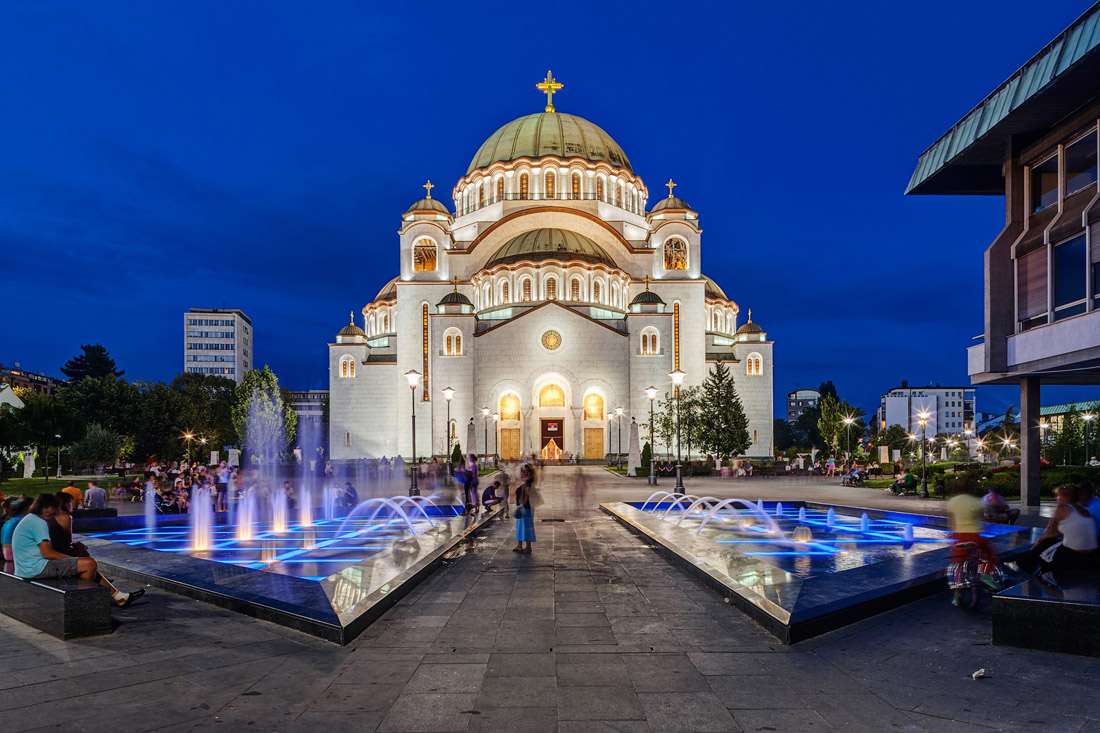
Belgrade
Serbian Dinar (RSD)
Serbian
May–Sep
CET (UTC+1) / CEST (UTC+2)
Welcome to Serbia, a Balkan country where the Danube and Sava rivers meet beneath centuries-old fortresses and lively city culture. Belgrade, the capital, blends a historic fortress overlooking the river confluence with a famously vibrant nightlife scene. Novi Sad's Petrovaradin Fortress offers sweeping views and hosts one of Europe's largest music festivals each summer. Serbia's countryside reveals rolling vineyards, monasteries, and traditional villages steeped in Orthodox heritage. The Tara National Park offers dramatic canyons and dense forest, among the most scenic natural areas in the Balkans. Traditional Serbian hospitality, centered around generous meals and rakija brandy, welcomes visitors warmly. Ancient monasteries throughout the country house remarkable medieval frescoes and religious art. Serbia invites travelers to discover a country of river charm, history, and spirited celebration.

Helpful information to consider before and during your visit.
Discover some of Serbia's most popular flavors, traditional dishes and memorable local treats during your visit.
Ćevapi is a signature Serbia specialty known for its distinctive local ingredients, seasoning and traditional preparation.
This popular Serbia dish brings together familiar regional flavors and is commonly enjoyed in homes, markets or local restaurants.
A well-loved part of Serbia cuisine, Sarma reflects the country's culinary traditions and locally available ingredients.
Karađorđeva Šnicla is a comforting regional favorite, prepared in styles that may vary between families, cities and different parts of Serbia.
Visitors often seek out Prebranac for an authentic taste of Serbia's everyday cooking and food culture.
This traditional favorite highlights the bold, savory or gently spiced flavors associated with cooking in Serbia.
Punjene Paprike is widely recognized in Serbia and is often served at casual meals, celebrations or community gatherings.
A memorable choice for travelers, Proja offers a flavorful introduction to the ingredients and techniques used across Serbia.
This classic food is an important part of Serbia's culinary identity and is best sampled freshly prepared.
Serbia is home to Belgrade, one of the oldest continuously inhabited cities in Europe, having been conquered and rebuilt dozens of times throughout history due to its strategic position at the confluence of the Danube and Sava Rivers. The country is also considered the birthplace of Nikola Tesla, the influential inventor and engineer whose pioneering work on alternating current systems helped shape modern electrical infrastructure, and Belgrade's main airport is named in his honor.
Serbia is home to Devil's Town, a bizarre rock formation of nearly 200 tall earthen pillars capped with stone, created by unusual erosion patterns over thousands of years, and local legend attributes their strange, almost humanoid shapes to a village turned to stone as divine punishment. Serbia was also the site where the assassination of Archduke Franz Ferdinand in nearby Sarajevo, involving a Serbian nationalist, helped trigger the outbreak of World War I in 1914, an event with outsized consequences given the region's relatively small size.
Serbia's Exit Festival, held annually in the historic Petrovaradin Fortress, has grown into one of the largest music festivals in Europe, drawing hundreds of thousands of visitors to a site originally built as an 18th-century military stronghold.