Blahface.com Uniting People Online

Suriname

Capital

Paramaribo

Currency

Surinamese Dollar (SRD)

Language

Dutch

Best Time

Feb–Apr

Time Zone

SRT (UTCβˆ’3)

Flag of Suriname
Welcome to Suriname

Suriname's Rainforest and River Culture

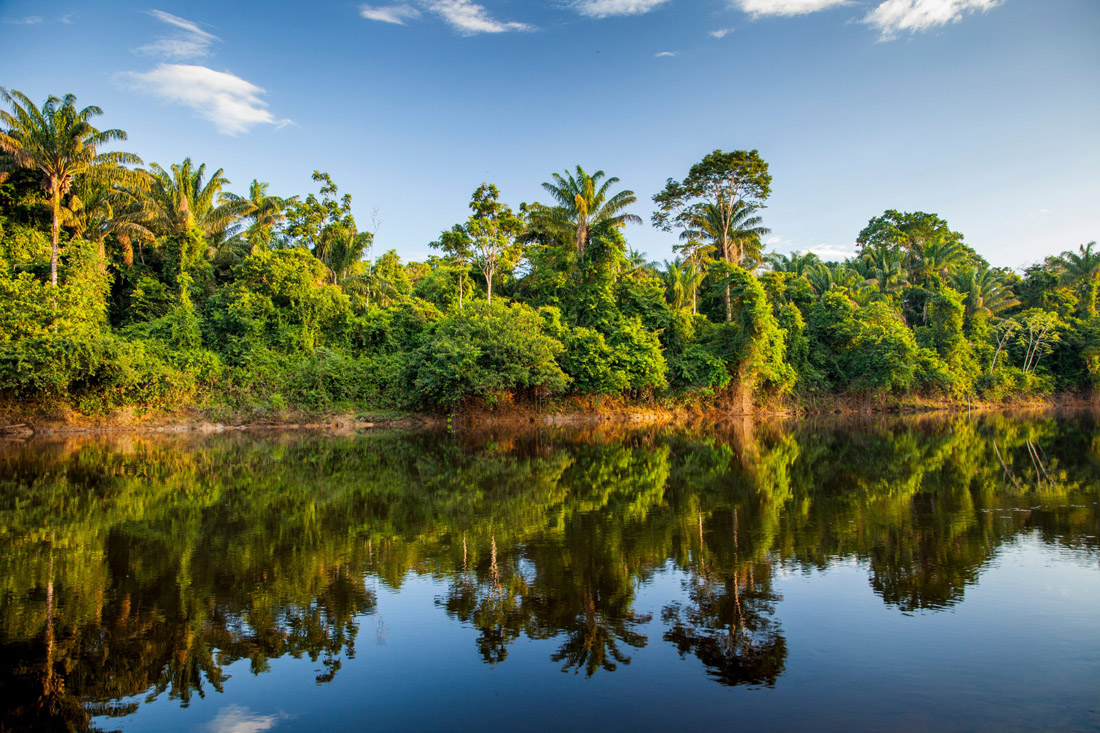
Welcome to Suriname, a small South American country where dense rainforest and a rich multicultural heritage create a unique destination. Paramaribo, the capital, showcases colorful Dutch colonial architecture, a UNESCO World Heritage Site along the Suriname River. The country's rainforest interior, among the most pristine in the Amazon basin, offers extraordinary biodiversity and river journeys. Traditional Maroon communities, descended from escaped enslaved people, maintain distinct culture along the country's remote rivers. Suriname's multicultural population, blending Dutch, Indian, Javanese, and African heritage, is reflected vividly in its food and festivals. Central Suriname Nature Reserve protects vast untouched rainforest, home to jaguars and harpy eagles. The country's low visitor numbers mean travelers often experience pristine wilderness with few other tourists. Suriname invites travelers to discover a hidden rainforest gem rich in cultural diversity.

Popular City

Paramaribo

Paramaribo, a UNESCO World Heritage city, preserves a remarkable mix of Dutch colonial wooden architecture along tree-lined streets, with the striking white St. Peter and Paul Cathedral, one of the largest wooden structures in the Americas, anchoring the historic center. Fort Zeelandia traces the city’s founding and its complex colonial history. The city’s multicultural population, descended from Dutch, African, Indian, Javanese, and Indigenous communities, is reflected in its markets, mosques, synagogues, and temples standing within blocks of each other. The Waterkant riverside promenade along the Suriname River offers a relaxed spot for an evening walk. Paramaribo’s blend of Dutch colonial architecture and genuinely multicultural society makes it one of the most distinctive small capitals in South America. It serves as the gateway to Suriname’s vast, largely untouched Amazonian interior.

Travel News

Popular City

Nieuw Nickerie

Nieuw Nickerie, near Suriname’s border with Guyana, sits amid the country’s main rice-growing region along the Nickerie River. The town’s markets and waterfront reflect its role as a regional agricultural center rather than a typical tourist destination. Nearby, the Bigi Pan wetland offers boat tours through mangrove-lined waterways rich in birdlife, including scarlet ibis and flamingos. The area’s flat, fertile polders reflect Dutch-influenced agricultural engineering adapted to Suriname’s coastal lowlands. Nieuw Nickerie’s quiet, rural character offers a look at everyday Surinamese life away from the capital. It remains a practical stop for travelers interested in the country’s wetland birdlife.

Travel Tips

Helpful information to consider before and during your visit.

Before You Go

  • Confirm passport validity and entry requirements.
  • Check whether a tourist visa is required.
  • Keep digital copies of important documents.
  • Consider purchasing travel insurance.

Money & Payments

  • Review the local currency and exchange rate.
  • Carry some cash for small businesses and markets.
  • Check for international bank transaction fees.
  • Learn the country's customary tipping practices.

Stay Connected

  • Review your mobile carrier's international plan.
  • Consider purchasing a local SIM or eSIM.
  • Download maps for offline use before traveling.
  • Avoid sensitive transactions on unsecured Wi-Fi.

Transportation

  • Research public transportation before arrival.
  • Use licensed taxis or reputable rideshare services.
  • Check which side of the road vehicles use.
  • Confirm whether an international permit is needed.

Electricity

  • Check the country's voltage and outlet type.
  • Bring the correct plug adapter for your devices.
  • Use a voltage converter when required.
  • Pack a portable charger for longer excursions.

Weather & Clothing

  • Review the seasonal weather before packing.
  • Bring layers for changing temperatures.
  • Pack rain protection when appropriate.
  • Use sunscreen even on cool or cloudy days.

Food & Water

  • Research whether tap water is safe to drink.
  • Communicate food allergies clearly.
  • Try traditional dishes from reputable vendors.
  • Observe local dining customs and meal times.

Safety

  • Secure valuables in crowded tourist areas.
  • Avoid displaying large amounts of cash.
  • Share your itinerary with someone you trust.
  • Review current government travel advisories.

Language & Etiquette

  • Learn a few polite words in the local language.
  • Respect dress requirements at religious sites.
  • Ask permission before photographing people.
  • Follow local traditions, laws and social customs.

Emergency Planning

  • Save the country's emergency telephone number.
  • Locate your nearest embassy or consulate.
  • Keep medication in its original packaging.
  • Store emergency contacts offline and on paper.

Smart Packing

  • Pack comfortable shoes for walking and tours.
  • Keep essential medication in your carry-on.
  • Bring a reusable bottle where appropriate.
  • Leave room for locally purchased items.

Local Research

  • Check attraction hours and reservation policies.
  • Review national holidays and local closures.
  • Download important addresses before departure.
  • Leave flexibility for unexpected discoveries.
Important: Entry requirements, transportation rules, weather conditions and safety guidance can change. Verify important information with official sources before traveling.

Popular City

Albina

Albina, on the Marowijne River bordering French Guiana, serves as a crossing point between the two countries and retains a small, riverside frontier character. The town’s market reflects trade between Suriname and its French-speaking neighbor across the water. Nearby, Maroon villages along the river offer insight into the descendants of escaped enslaved people who established independent communities deep in Suriname’s rainforest, preserving distinct cultural and artistic traditions. River trips from Albina can extend into the surrounding rainforest, home to some of South America’s most biodiverse ecosystems. Albina’s position on the river and near Maroon communities gives it cultural significance beyond its small size. It remains a worthwhile stop for travelers interested in Suriname’s Maroon heritage and Amazonian rainforest.

Local Food to Try

Discover some of Suriname's most popular flavors, traditional dishes and memorable local treats during your visit.

Pom

Pom is a well-known part of Suriname's cuisine and offers visitors a flavorful introduction to the country's food traditions.

Roti

Roti is a well-known part of Suriname's cuisine and offers visitors a flavorful introduction to the country's food traditions.

Moksi Alesi

Moksi Alesi is a well-known part of Suriname's cuisine and offers visitors a flavorful introduction to the country's food traditions.

Saoto Soup

Saoto Soup is a well-known part of Suriname's cuisine and offers visitors a flavorful introduction to the country's food traditions.

Her Heri

Her Heri is a well-known part of Suriname's cuisine and offers visitors a flavorful introduction to the country's food traditions.

Bami

Bami is a well-known part of Suriname's cuisine and offers visitors a flavorful introduction to the country's food traditions.

Bara

Bara is a well-known part of Suriname's cuisine and offers visitors a flavorful introduction to the country's food traditions.

Bojo

Bojo is a well-known part of Suriname's cuisine and offers visitors a flavorful introduction to the country's food traditions.

Fiadoe

Fiadoe is a well-known part of Suriname's cuisine and offers visitors a flavorful introduction to the country's food traditions.

Dining tip: Regional specialties and preparation styles vary throughout Suriname. Explore local markets, independent cafΓ©s and family-owned restaurants for an authentic taste of the destination.

Little-Known Facts

Suriname

Suriname is the smallest sovereign country in South America by both land area and population, and it stands out as the only country on the continent where Dutch remains the official language, a legacy of Dutch colonial rule rather than the Spanish or Portuguese influence found across the rest of the region. The country is one of the most forested nations on Earth relative to its size, with well over 90% of its territory still covered by pristine Amazonian rainforest, much of it largely untouched by development.

Suriname's population is extraordinarily diverse for its size, blending descendants of Dutch colonists, enslaved Africans, and indentured laborers brought from India, Indonesia, and China, creating one of the most ethnically varied societies per capita found anywhere in the world. The country's capital, Paramaribo, features a historic inner city built from wooden colonial architecture that blends Dutch and local building styles, recognized as a UNESCO World Heritage Site.

Suriname is also notable for having one of the highest percentages of carbon-negative status among nations, meaning its vast rainforests absorb significantly more carbon dioxide than the country emits, a distinction shared with very few other countries in the world.