Blahface.com Uniting People Online

Tuvalu

Capital

Funafuti

Currency

Tuvaluan Dollar (TVD), Australian Dollar (AUD)

Language

Tuvaluan, English

Best Time

May–Oct

Time Zone

TVT (UTC+12)

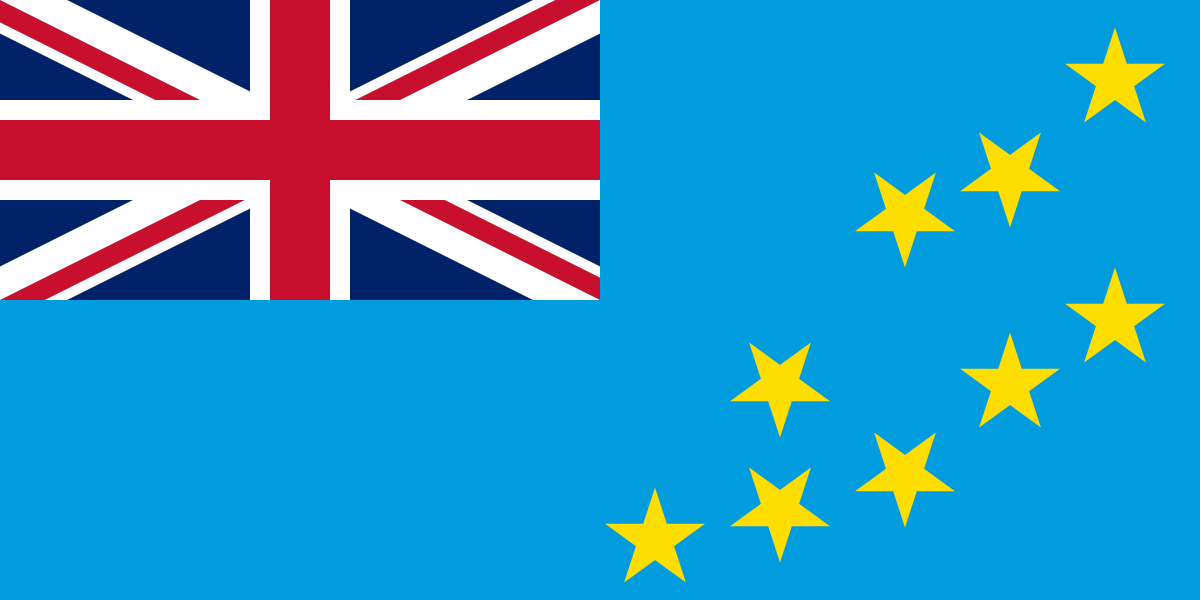
Flag of Tuvalu
Welcome to Tuvalu

Tuvalu's Vanishing Pacific Paradise

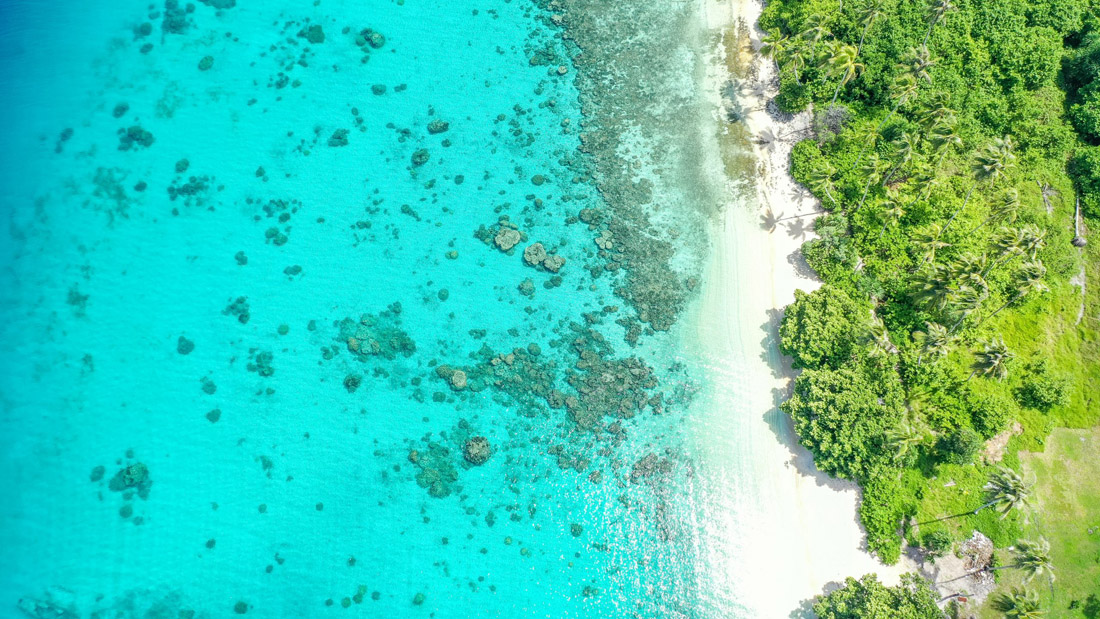
Welcome to Tuvalu, one of the world's smallest and most remote nations, a collection of low-lying coral atolls in the Pacific. Funafuti, the capital atoll, offers a glimpse into daily life shaped entirely by the surrounding lagoon and ocean. Tuvalu's pristine waters offer excellent snorkeling and fishing, largely undiscovered by international tourism. The nation's low elevation has made it a powerful symbol in conversations about rising sea levels and climate change. Traditional community life remains central to Tuvaluan culture, with communal halls hosting music, dance, and storytelling. The islands' remoteness means very few visitors ever experience their quiet, untouched beauty. Local hospitality reflects a close-knit island community deeply connected to the sea. Tuvalu invites the most adventurous travelers to discover one of the most remote nations on Earth.

Popular City

Funafuti

Funafuti, Tuvalu’s capital atoll, is one of the narrowest and lowest-lying capitals in the world, with the runway doubling as a communal gathering space for volleyball and evening walks when no flights are scheduled. The atoll’s lagoon, part of the Funafuti Conservation Area, offers exceptional snorkeling over healthy coral and clear, calm water. Local markets sell fish and coconut-based goods central to the Tuvaluan diet, reflecting the resourcefulness required to sustain life on such a small strip of land. The atoll’s vulnerability to rising sea levels has made it a focal point in global conversations about climate change. Funafuti’s genuine remoteness and close-knit community offer a rare, unfiltered look at life on one of the smallest and most climate-vulnerable nations on earth. Visiting requires real effort given limited flight schedules, but rewards travelers with a truly singular island experience.

Travel News

Popular City

Vaiaku

Vaiaku, the main village on Funafuti, serves as the practical center of Tuvaluan government and community life, with the country’s parliament building and main administrative offices located here. The village’s small guesthouses and eateries offer simple, genuine hospitality reflecting Tuvaluan culture. Local church services, central to community life across Tuvalu, offer visitors insight into the strong Christian faith that shapes daily rhythms on the atoll. The nearby lagoon and reef provide excellent fishing, a central activity for the local population. Vaiaku’s tight-knit community and modest infrastructure reflect the realities of life in one of the world’s smallest nations. It remains the natural hub for any visit to Tuvalu.

Travel Tips

Helpful information to consider before and during your visit.

Before You Go

  • Confirm passport validity and entry requirements.
  • Check whether a tourist visa is required.
  • Keep digital copies of important documents.
  • Consider purchasing travel insurance.
Money & Payments

  • Review the local currency and exchange rate.
  • Carry some cash for small businesses and markets.
  • Check for international bank transaction fees.
  • Learn the country's customary tipping practices.

Stay Connected

  • Review your mobile carrier's international plan.
  • Consider purchasing a local SIM or eSIM.
  • Download maps for offline use before traveling.
  • Avoid sensitive transactions on unsecured Wi-Fi.

Transportation

  • Research public transportation before arrival.
  • Use licensed taxis or reputable rideshare services.
  • Check which side of the road vehicles use.
  • Confirm whether an international permit is needed.

Electricity

  • Check the country's voltage and outlet type.
  • Bring the correct plug adapter for your devices.
  • Use a voltage converter when required.
  • Pack a portable charger for longer excursions.

Weather & Clothing

  • Review the seasonal weather before packing.
  • Bring layers for changing temperatures.
  • Pack rain protection when appropriate.
  • Use sunscreen even on cool or cloudy days.

Food & Water

  • Research whether tap water is safe to drink.
  • Communicate food allergies clearly.
  • Try traditional dishes from reputable vendors.
  • Observe local dining customs and meal times.

Safety

  • Secure valuables in crowded tourist areas.
  • Avoid displaying large amounts of cash.
  • Share your itinerary with someone you trust.
  • Review current government travel advisories.

Language & Etiquette

  • Learn a few polite words in the local language.
  • Respect dress requirements at religious sites.
  • Ask permission before photographing people.
  • Follow local traditions, laws and social customs.

Emergency Planning

  • Save the country's emergency telephone number.
  • Locate your nearest embassy or consulate.
  • Keep medication in its original packaging.
  • Store emergency contacts offline and on paper.

Smart Packing

  • Pack comfortable shoes for walking and tours.
  • Keep essential medication in your carry-on.
  • Bring a reusable bottle where appropriate.
  • Leave room for locally purchased items.

Local Research

  • Check attraction hours and reservation policies.
  • Review national holidays and local closures.
  • Download important addresses before departure.
  • Leave flexibility for unexpected discoveries.
Important: Entry requirements, transportation rules, weather conditions and safety guidance can change. Verify important information with official sources before traveling.

Popular City

Tanrake

Tanrake, a village on Nanumea atoll, offers a quieter, more traditional side of Tuvalu, reachable only by occasional inter-island ferry or small aircraft. The atoll’s lagoon and surrounding reef remain largely untouched, offering excellent, uncrowded snorkeling. Traditional thatched houses and community meeting spaces, known as maneapa, remain central to village life on the outer islands. Fishing and coconut cultivation continue to sustain the small, close community much as they have for generations. Tanrake’s isolation, even by Tuvaluan standards, gives visitors a genuine sense of outer-island Pacific life rarely encountered elsewhere. Few destinations anywhere offer as authentic and unhurried an island experience as Tuvalu’s outer atolls.

Local Food to Try

Discover some of Tuvalu's most popular flavors, traditional dishes and memorable local treats during your visit.

Pulaka

Pulaka is a well-known part of Tuvalu's cuisine and offers visitors a flavorful introduction to the country's food traditions.

Palusami

Palusami is a well-known part of Tuvalu's cuisine and offers visitors a flavorful introduction to the country's food traditions.

Grilled Tuna

Grilled Tuna is a well-known part of Tuvalu's cuisine and offers visitors a flavorful introduction to the country's food traditions.

Coconut Crab

Coconut Crab is a well-known part of Tuvalu's cuisine and offers visitors a flavorful introduction to the country's food traditions.

Breadfruit Pudding

Breadfruit Pudding is a well-known part of Tuvalu's cuisine and offers visitors a flavorful introduction to the country's food traditions.

Taro with Coconut

Taro with Coconut is a well-known part of Tuvalu's cuisine and offers visitors a flavorful introduction to the country's food traditions.

Fish Soup

Fish Soup is a well-known part of Tuvalu's cuisine and offers visitors a flavorful introduction to the country's food traditions.

Banana Poke

Banana Poke is a well-known part of Tuvalu's cuisine and offers visitors a flavorful introduction to the country's food traditions.

Coconut Bread

Coconut Bread is a well-known part of Tuvalu's cuisine and offers visitors a flavorful introduction to the country's food traditions.

Dining tip: Regional specialties and preparation styles vary throughout Tuvalu. Explore local markets, independent cafΓ©s and family-owned restaurants for an authentic taste of the destination.

Little-Known Facts

Tuvalu

Tuvalu is the fourth-smallest country in the world by both land area and population, and its highest point sits at just under 15 feet above sea level, making it one of the most vulnerable nations on Earth to the effects of rising sea levels caused by climate change. The country has taken the unusual step of creating a digital version of itself, called a "digital nation," complete with government archives and cultural records recreated virtually, as a form of national preservation in case rising seas eventually render the physical islands uninhabitable.

Tuvalu generates a notable share of its national revenue by leasing out its ".tv" internet domain suffix, which has become highly valuable due to its use by streaming and video platforms worldwide, providing an outsized source of income for such a small nation. The country consists of just nine small coral atolls and islands, and it has no rivers, making it entirely dependent on rainwater collection and desalination for fresh water.

Tuvalu was among the first nations to formally warn the international community about existential threats posed by climate change, and its officials have spoken at global summits specifically about the possibility of the country becoming the first nation in history to lose its physical territory entirely to rising seas.