Blahface.com Uniting People Online

Uruguay

Capital

Montevideo

Currency

Uruguayan Peso (UYU)

Language

Spanish

Best Time

Oct–Mar

Time Zone

UYT (UTC−3)

Flag of Uruguay
Welcome to Uruguay

Uruguay's Relaxed Coastal Charm

Welcome to Uruguay, a small South American country known for its relaxed pace, sandy beaches, and welcoming culture. Montevideo, the capital, blends a historic old town with a lively waterfront and rich café culture. Punta del Este's glamorous beaches and vibrant nightlife have made it a favorite South American summer destination. Uruguay's countryside reveals rolling ranchlands where traditional gaucho culture remains deeply rooted in daily life. Colonia del Sacramento's beautifully preserved cobblestone streets, a UNESCO World Heritage Site, reflect centuries of Portuguese and Spanish history. The country's wine regions, particularly known for Tannat, produce increasingly celebrated vintages. Uruguay's progressive, laid-back culture reflects a strong emphasis on quality of life and community. Uruguay invites travelers to experience a relaxed, welcoming country rich in coastal and rural charm.

Popular City

Montevideo

Montevideo’s Ciudad Vieja, the old town, preserves Art Deco and neoclassical architecture around Plaza Independencia, anchored by the towering Palacio Salvo. The Rambla, a waterfront promenade stretching for miles along the Rio de la Plata, is where locals gather each evening to drink mate and watch the sunset. Mercado del Puerto, a historic ironwork market hall, has become the city’s premier spot for grilled meat, or asado, cooked over open parrillas within its bustling stalls. The Estadio Centenario, built for the first-ever FIFA World Cup in 1930, remains a pilgrimage site for football fans. Montevideo’s relaxed pace and strong cafe culture give the capital an unhurried, livable character distinct from many other South American cities. It serves as an easy, welcoming introduction to Uruguay’s understated charm.

Travel News

Popular City

Punta del Este

Punta del Este, South America’s most glamorous beach resort, offers the Casapueblo, a striking whitewashed, cliffside building designed by artist Carlos Paez Vilaro, now a museum and hotel overlooking the sea. La Mano, a giant sculpture of fingers emerging from the sand at Playa Brava, has become one of the town’s most photographed landmarks. The town’s marina and yacht harbor reflect its reputation as a summer playground for South America’s wealthy, with upscale restaurants and beach clubs lining the coast. Isla de Lobos, a nearby sea lion colony, can be visited on boat trips departing from the harbor. Punta del Este’s mix of sophisticated beach culture and striking modern architecture make it Uruguay’s most fashionable coastal destination. It draws visitors from across South America each summer season.

Travel Tips

Helpful information to consider before and during your visit.

Before You Go

  • Confirm passport validity and entry requirements.
  • Check whether a tourist visa is required.
  • Keep digital copies of important documents.
  • Consider purchasing travel insurance.

Money & Payments

  • Review the local currency and exchange rate.
  • Carry some cash for small businesses and markets.
  • Check for international bank transaction fees.
  • Learn the country's customary tipping practices.

Stay Connected

  • Review your mobile carrier's international plan.
  • Consider purchasing a local SIM or eSIM.
  • Download maps for offline use before traveling.
  • Avoid sensitive transactions on unsecured Wi-Fi.

Transportation

  • Research public transportation before arrival.
  • Use licensed taxis or reputable rideshare services.
  • Check which side of the road vehicles use.
  • Confirm whether an international permit is needed.

Electricity

  • Check the country's voltage and outlet type.
  • Bring the correct plug adapter for your devices.
  • Use a voltage converter when required.
  • Pack a portable charger for longer excursions.

Weather & Clothing

  • Review the seasonal weather before packing.
  • Bring layers for changing temperatures.
  • Pack rain protection when appropriate.
  • Use sunscreen even on cool or cloudy days.

Food & Water

  • Research whether tap water is safe to drink.
  • Communicate food allergies clearly.
  • Try traditional dishes from reputable vendors.
  • Observe local dining customs and meal times.

Safety

  • Secure valuables in crowded tourist areas.
  • Avoid displaying large amounts of cash.
  • Share your itinerary with someone you trust.
  • Review current government travel advisories.

Language & Etiquette

  • Learn a few polite words in the local language.
  • Respect dress requirements at religious sites.
  • Ask permission before photographing people.
  • Follow local traditions, laws and social customs.

Emergency Planning

  • Save the country's emergency telephone number.
  • Locate your nearest embassy or consulate.
  • Keep medication in its original packaging.
  • Store emergency contacts offline and on paper.

Smart Packing

  • Pack comfortable shoes for walking and tours.
  • Keep essential medication in your carry-on.
  • Bring a reusable bottle where appropriate.
  • Leave room for locally purchased items.

Local Research

  • Check attraction hours and reservation policies.
  • Review national holidays and local closures.
  • Download important addresses before departure.
  • Leave flexibility for unexpected discoveries.
Important: Entry requirements, transportation rules, weather conditions and safety guidance can change. Verify important information with official sources before traveling.

Popular City

Colonia del Sacramento

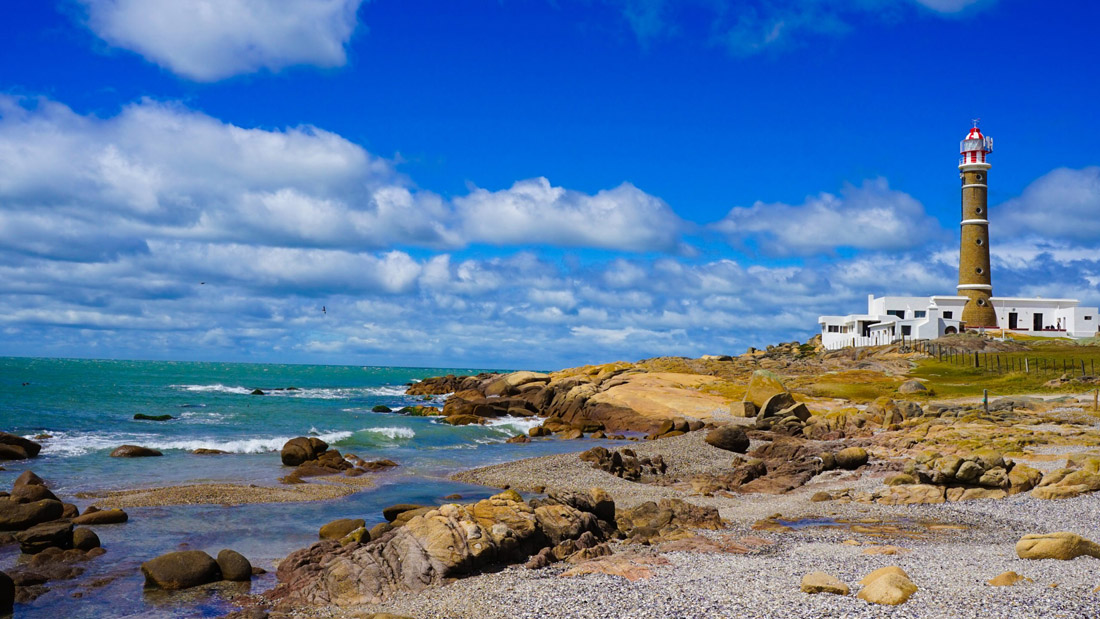
Colonia del Sacramento, a UNESCO World Heritage site, preserves a beautifully intact Portuguese and Spanish colonial old town, its cobblestone Calle de los Suspiros, or Street of Sighs, ranking among the most photographed streets in Uruguay. The town’s lighthouse offers views over the Rio de la Plata toward Buenos Aires across the water. Vintage cars, a common sight parked along the old town’s streets, add to Colonia’s timeless, unhurried atmosphere. The Portuguese Museum and Municipal Museum trace the town’s history as a contested colonial outpost between Spanish and Portuguese empires. The town’s relaxed cafes and riverside setting make it a popular day trip by ferry from Buenos Aires, just across the water. Colonia del Sacramento’s well-preserved colonial architecture makes it one of Uruguay’s most charming towns.

Local Food to Try

Discover some of Uruguay's most popular flavors, traditional dishes and memorable local treats during your visit.

Asado

Asado is a well-known part of Uruguay's cuisine and offers visitors a flavorful introduction to the country's food traditions.

Chivito

Chivito is a well-known part of Uruguay's cuisine and offers visitors a flavorful introduction to the country's food traditions.

Milanesa

Milanesa is a well-known part of Uruguay's cuisine and offers visitors a flavorful introduction to the country's food traditions.

Pascualina

Pascualina is a well-known part of Uruguay's cuisine and offers visitors a flavorful introduction to the country's food traditions.

Empanadas

Empanadas is a well-known part of Uruguay's cuisine and offers visitors a flavorful introduction to the country's food traditions.

Tortas Fritas

Tortas Fritas is a well-known part of Uruguay's cuisine and offers visitors a flavorful introduction to the country's food traditions.

Fainá

Fainá is a well-known part of Uruguay's cuisine and offers visitors a flavorful introduction to the country's food traditions.

Dulce de Leche

Dulce de Leche is a well-known part of Uruguay's cuisine and offers visitors a flavorful introduction to the country's food traditions.

Chajá

Chajá is a well-known part of Uruguay's cuisine and offers visitors a flavorful introduction to the country's food traditions.

Dining tip: Regional specialties and preparation styles vary throughout Uruguay. Explore local markets, independent cafés and family-owned restaurants for an authentic taste of the destination.

Little-Known Facts

Uruguay

Uruguay was the first country in the world to fully legalize the production, sale, and recreational use of cannabis at a national level, doing so in 2013 as part of a broader regulatory approach aimed at undercutting illegal drug trafficking. The country is also known for its remarkably strong record of political and social stability compared to many of its regional neighbors, and it consistently ranks among the least corrupt countries in Latin America according to international indices.

Uruguay is home to a strikingly large proportion of grazing land relative to its size, and it has more cattle than people, a ratio reflected in the country's status as one of the largest beef exporters in the world relative to its population. The country was also the first in Latin America to grant women the right to vote, doing so in 1927, years ahead of many of its neighbors, and it has long been recognized for progressive social policies, including some of the region's earliest protections for labor rights and secular education.

Uruguay's capital, Montevideo, is home to a well-preserved historic district, and the country's beach resort of Punta del Este has become one of South America's most fashionable summer destinations, drawing visitors from across the continent and beyond.