
Before You Go
- Confirm passport validity and entry requirements.
- Check whether a tourist visa is required.
- Keep digital copies of important documents.
- Consider purchasing travel insurance.
Muscat
Omani Rial (OMR)
Arabic
Oct–Apr
GST (UTC+4)
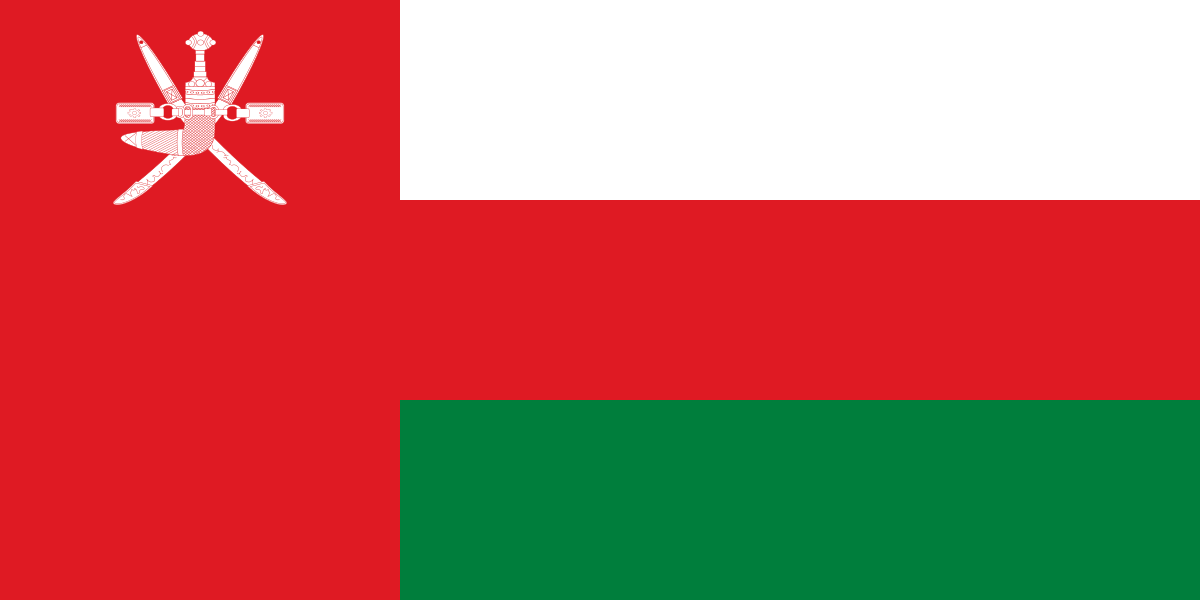
Welcome to Oman, a Gulf nation where rugged mountains, vast deserts, and a stunning coastline create a strikingly diverse landscape. Muscat, the capital, showcases whitewashed architecture, grand mosques, and a relaxed harbor atmosphere along the Arabian Sea. The Wahiba Sands offer dramatic dunes perfect for camping beneath star-filled skies and exploring by camel or 4x4. Oman's rugged Hajar Mountains reveal dramatic canyons, terraced villages, and cooler highland air. Ancient forts scattered across the country, including Nizwa and Bahla, reflect centuries of trade and tribal history. The turquoise waters of Musandam offer dramatic fjord-like scenery and excellent snorkeling. Omani hospitality, rooted in Bedouin tradition, welcomes visitors with genuine warmth and fragrant frankincense. Oman invites travelers to discover a beautifully preserved and welcoming corner of Arabia.

No API URL found for post ID 140560.
Helpful information to consider before and during your visit.
Discover some of Oman's most popular flavors, traditional dishes and memorable local treats during your visit.
Shuwa is a signature Oman specialty known for its distinctive local ingredients, seasoning and traditional preparation.
This popular Oman dish brings together familiar regional flavors and is commonly enjoyed in homes, markets or local restaurants.
A well-loved part of Oman cuisine, Mashuai reflects the country's culinary traditions and locally available ingredients.
Harees is a comforting regional favorite, prepared in styles that may vary between families, cities and different parts of Oman.
Visitors often seek out Mishkak for an authentic taste of Oman's everyday cooking and food culture.
This traditional favorite highlights the bold, savory or gently spiced flavors associated with cooking in Oman.
Madrouba is widely recognized in Oman and is often served at casual meals, celebrations or community gatherings.
A memorable choice for travelers, Halwa Omani offers a flavorful introduction to the ingredients and techniques used across Oman.
This classic food is an important part of Oman's culinary identity and is best sampled freshly prepared.
Oman is one of the oldest independent states in the Arab world, with the Al Said dynasty ruling continuously since 1744, and it once controlled a maritime empire that stretched across parts of East Africa, including the island of Zanzibar, which Oman ruled until the 19th century. The country is home to Jebel Shams, its highest peak, and a canyon so dramatic it's nicknamed the "Grand Canyon of Arabia."
Oman is also one of the few places in the world where frankincense trees grow wild, and the aromatic resin harvested from them was one of the most valuable trade commodities in the ancient world, so prized that frankincense from Oman's Dhofar region was transported along incense routes stretching all the way to the Mediterranean and beyond. The country's capital, Muscat, has strict architectural regulations requiring most buildings to be painted white or in muted earth tones and to incorporate traditional Islamic design elements, giving the city a notably uniform and elegant appearance compared to some of its flashier Gulf neighbors.
Oman also has a unique geographic exclave called Musandam, separated from the rest of the country by the United Arab Emirates, which overlooks the strategically vital Strait of Hormuz, through which a significant share of the world's oil shipments pass.
Another little-known fact is that Albanians have a unique cultural tradition called "Besa," meaning "to keep one's promise." This centuries-old code of honor became internationally recognized during World War II when Albania was one of the few European countries where the Jewish population actually increased because local families risked their lives to shelter refugees. Albania also boasts the stunning Blue Eye (Syri i Kaltër), a natural spring with crystal-clear turquoise water whose exact depth remains unknown despite multiple explorations.
Finally, Albania enjoys more than 300 sunny days each year, rivaling many Mediterranean destinations. The country is also famous for its "sworn virgins"—a centuries-old tradition in remote mountain villages where women could legally assume male social roles by taking a lifelong vow of celibacy, preserving family inheritance and leadership in the absence of male heirs.