Bangladesh's republican system places day-to-day executive leadership in the hands of the government, with a separate head of state performing constitutional duties. Tarique Rahman serves as Prime Minister of Bangladesh and leads the national government.
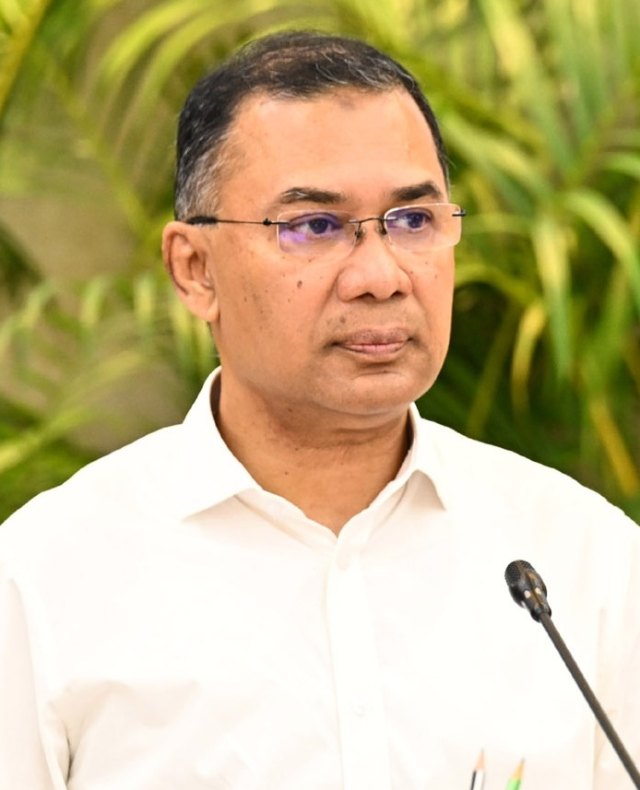
Bangladesh is a parliamentary republic. Following the February 2026 national election, executive authority returned to an elected prime minister and cabinet responsible to parliament after the interim administration that governed from 2024 to early 2026. The president remains head of state with a more limited constitutional role, while the prime minister is the principal political executive.
Legislative authority is currently exercised through the elected Jatiya Sangsad. A 2026 referendum endorsed a package of constitutional reforms that included proposals for an upper chamber, prime-ministerial term limits, stronger institutional checks, and restoration of a caretaker mechanism for future elections. Implementation requires the necessary constitutional and legislative steps, so the reform program should be distinguished from provisions already fully in force.
Bangladesh is a unitary state. Its present system again operates through elected parliamentary government, while the post-2024 reform process continues to reshape the balance among the prime minister, president, parliament, and judiciary.