Eritrea's political system is organized around a dominant ruling party that occupies the central position in national government. Isaias Afwerki serves as President of Eritrea, with state institutions operating within that one-party framework.
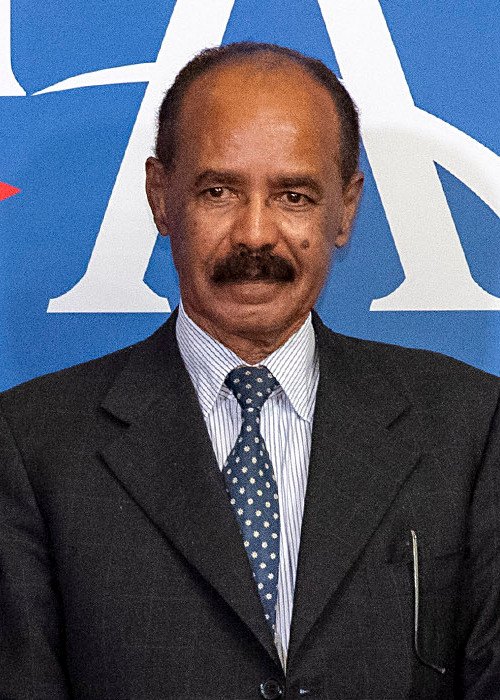
Eritrea is a highly centralized presidential state dominated by the People's Front for Democracy and Justice, the country's only permitted political party. The president serves as head of state and government and exercises extensive authority over the executive, security apparatus, and national policy. Although a constitution was ratified in 1997, it has never been fully implemented.
The National Assembly has not functioned as a regularly elected, active legislature for many years, and Eritrea has not held national elections since independence. In practice, major decisions are made through the presidency, cabinet, ruling-party leadership, and security institutions rather than through competitive parliamentary politics. The judiciary exists formally, but the broader institutional environment gives the executive substantial power.
Eritrea is a unitary state with strong central control. Because the constitutional and electoral framework has not been put into normal operation, descriptions based solely on the written constitution do not capture how the country is actually governed.