Guinea-Bissau's current political order is transitional, with governing arrangements shaped by recent conflict, military intervention or an incomplete constitutional transition. Horta Inta-A Na Man serves as Transitional President of Guinea-Bissau under the present framework.
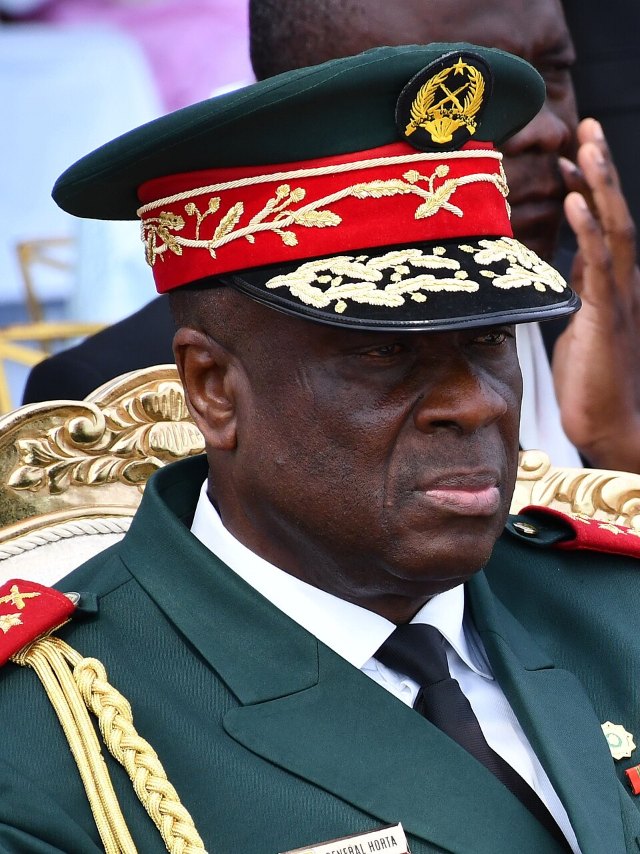
Guinea-Bissau is governed by a military-led transitional administration established after the armed forces seized power in November 2025, interrupting presidential and legislative elections before final results could be certified. The military installed a transitional president and appointed a prime minister and cabinet under a transitional charter. The arrangement is intended to be temporary and replaced by a new elected constitutional government.
The previous parliament had already been dissolved before the coup, and the interrupted 2025 legislative election did not produce a functioning elected legislature. The transitional authorities created an appointed transitional legislative body to exercise lawmaking functions during the interim period. A constitutional reform process and referendum have also been scheduled as part of the transition.
Guinea-Bissau is a unitary state. New presidential and legislative elections are scheduled for December 2026, although the timetable and institutional framework remain dependent on the transition proceeding as announced and on regional efforts to restore constitutional rule.