

Al Jazeera
Iranians brace for renewed attacks after Israeli, US elections
The US and Israel have teased strikes around their elections, particularly against Iran’s civilian infrastructure.
Read Story →Stay informed with the latest Iran politics news, government developments, economic policy, international relations, diplomacy, security issues and political events shaping the country. Blahface brings together timely reporting, headlines and perspectives so you can follow the decisions, debates and developments influencing Iran’s government and public policy. Coverage also follows activity across national institutions, the parliament, the presidency and the judiciary as domestic and international issues evolve. Explore the political debates, economic pressures, diplomatic developments and government decisions shaping Iran’s direction at home and abroad.
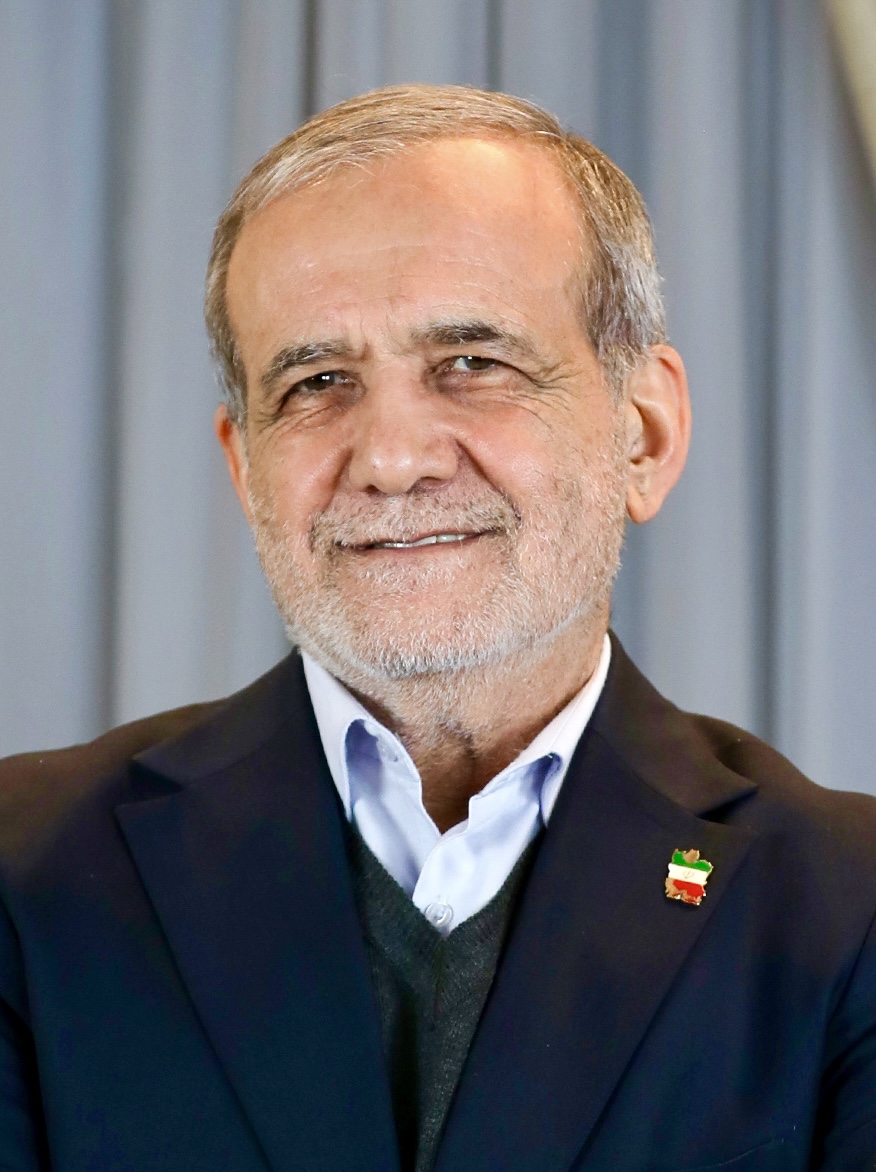
Iran is an Islamic republic with elected institutions operating alongside religious and constitutional authorities. The President leads the executive branch and oversees the administration of government, implementation of laws, economic policy and many aspects of foreign and domestic policy. The Islamic Consultative Assembly, commonly known as the Majles, serves as the national legislature and is responsible for debating and passing legislation, approving the national budget and exercising oversight of the executive branch.
Iran’s political system also includes the Supreme Leader, who holds extensive constitutional authority over major state institutions and national security matters. The judiciary operates as a separate branch headed by a chief appointed under the country’s constitutional structure, while bodies including the Guardian Council play important roles in reviewing legislation and supervising elections. Political debate in Iran is shaped by competing factions, economic conditions, social issues, regional security and international relations. Together, these institutions influence how policy is developed, reviewed and carried out across the country.
The Assembly of Experts, whose members are elected, is constitutionally responsible for selecting the Supreme Leader and can remove the Leader if the constitutional qualifications for office are no longer met. The Supreme National Security Council, chaired by the President, coordinates defense and national security policy, although its decisions take effect only after confirmation by the Supreme Leader.
The US and Israel have teased strikes around their elections, particularly against Iran’s civilian infrastructure.
Read Story →
Discuss Iran politics, government and current events with the Blahface community.
Politics Forum Soon