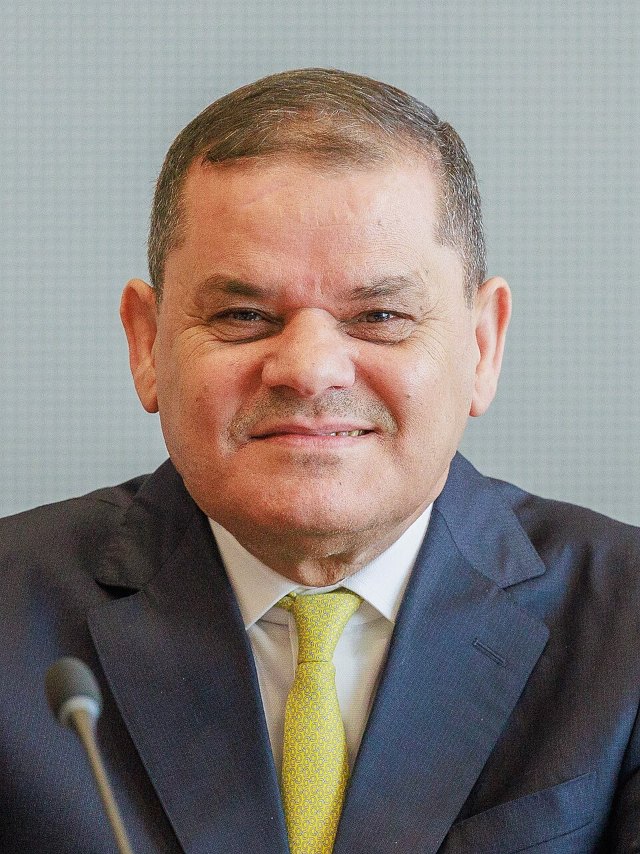
Libya's current political order is transitional, with governing arrangements shaped by recent conflict, military intervention or an incomplete constitutional transition. Abdul Hamid Dbeibeh serves as Prime Minister of Libya (Government of National Unity) under the present framework.
Libya does not currently operate under a single, fully unified national government. The country remains divided between rival political and security authorities, including institutions based in the west around Tripoli and authorities aligned with the House of Representatives in the east. Attempts sponsored by the United Nations and Libyan actors have sought to create a unified constitutional and electoral framework, but the transition remains unresolved.
National legislative authority is contested. The House of Representatives continues to claim legislative authority, while the High Council of State and other bodies play roles derived from earlier political agreements. Executive legitimacy is likewise disputed, and different governments and armed coalitions exercise influence in different parts of the country.
Libya is formally a unitary state, but practical authority is fragmented geographically and institutionally. Until a durable political settlement and nationwide elections are completed, the formal titles of institutions do not fully describe how power is exercised on the ground.