Nauru is a republic in which the presidency sits at the center of national executive authority. David Adeang serves as President of Nauru, combining the roles of head of state and head of government under the country's constitutional framework.
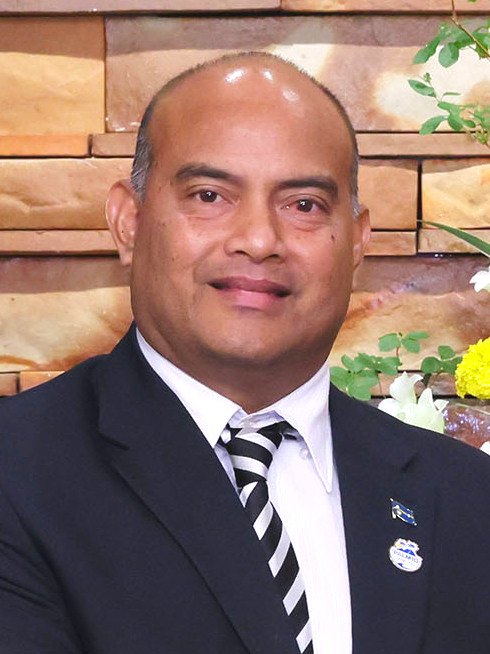
Nauru has a parliamentary-derived executive system adapted to its small-state constitutional framework. The national legislature is elected by citizens, and the head of government or executive president is selected directly or indirectly under rules that connect executive authority closely to the legislature. Cabinet government then manages day-to-day administration within that constitutional structure.
Legislative authority is exercised through a unicameral national parliament or assembly. It passes legislation, approves the budget, and performs the oversight and appointment functions assigned to it by the constitution. The judiciary is formally separate from the political branches, with the highest courts responsible for interpreting law and, where the constitutional system provides for it, reviewing constitutional questions.
Nauru is a unitary state, meaning sovereign authority is principally vested in national institutions, although local and regional governments exercise powers assigned by law. The constitution defines the relationship among the executive, legislature, judiciary, and subnational administration. Political authority is exercised through the constitutional institutions described above, with elections, parliamentary confidence, or other constitutional procedures determining who holds office.