Palestinian political institutions operate within a semi-presidential republican framework, but governance is deeply affected by territorial division, conflict and the unresolved status of the Palestinian territories. Mahmoud Abbas serves as President of the State of Palestine.
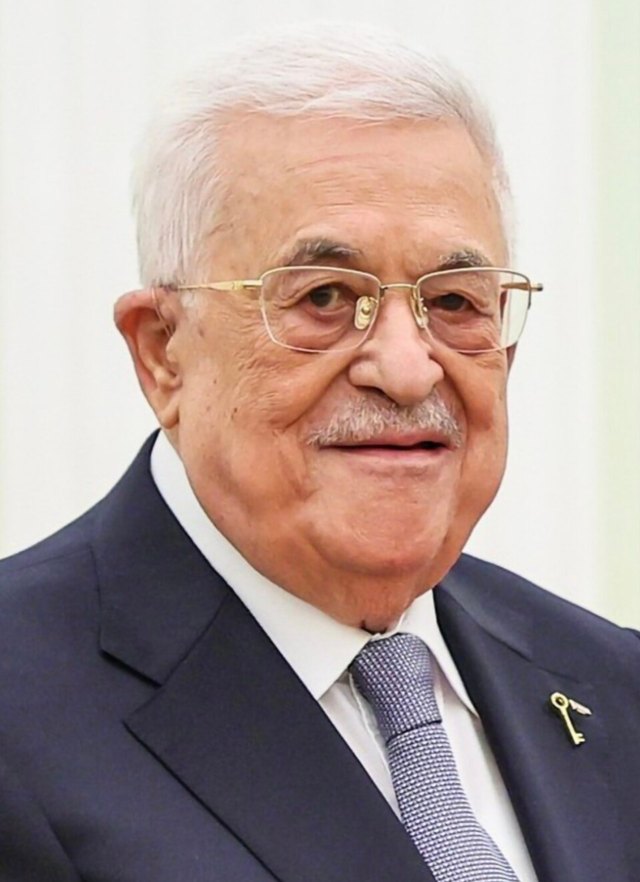
The State of Palestine has a fragmented system of government shaped by the Oslo-era Palestinian Authority, the Palestine Liberation Organization, the division between the West Bank and Gaza, and continuing Israeli control over major aspects of territory and security. The Palestinian Authority administers parts of the West Bank through a president, prime minister, cabinet, ministries, and security institutions. The PLO remains the principal body representing Palestinians internationally.
The Palestinian Legislative Council has not functioned as an active elected legislature for many years, and nationwide presidential and legislative elections have repeatedly been postponed. Governance in Gaza has also been separate from the West Bank since the 2007 political split, although conditions there have been profoundly altered by the war that began in 2023.
Because sovereignty and territorial control remain incomplete and contested, the formal Basic Law does not fully describe day-to-day political authority. Palestinian governance is therefore best understood as institutionally and geographically divided rather than as a conventional unitary parliamentary or presidential state.