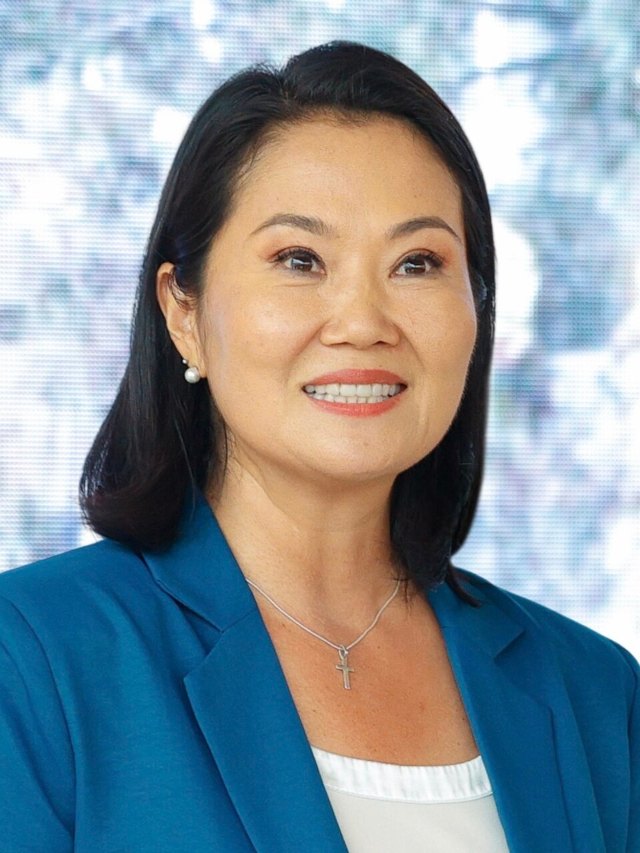
Peru is a republic in which the presidency sits at the center of national executive authority. Keiko Fujimori serves as President of Peru, combining the roles of head of state and head of government under the country's constitutional framework.
Peru is a presidential republic in which the president serves as head of state and government and directs the executive branch through a cabinet. The president is elected separately from the legislature and operates within a constitutional system that divides authority among the executive, Congress, the judiciary, and constitutionally autonomous institutions.
Peru returned to a bicameral Congress in July 2026 after more than three decades with a unicameral legislature. The new Congress consists of a Senate and a Chamber of Deputies, both elected in the 2026 general election. The two chambers share national lawmaking responsibilities, while the Senate also has important roles in reviewing legislation and participating in appointments and institutional oversight under the restored bicameral framework.
Peru is a unitary state with elected regional and local governments. Its political system has experienced repeated clashes between presidents and Congress in recent years, so the 2026 institutional changes—including bicameralism and revised procedures affecting executive-legislative relations—are important features of the current constitutional order.