
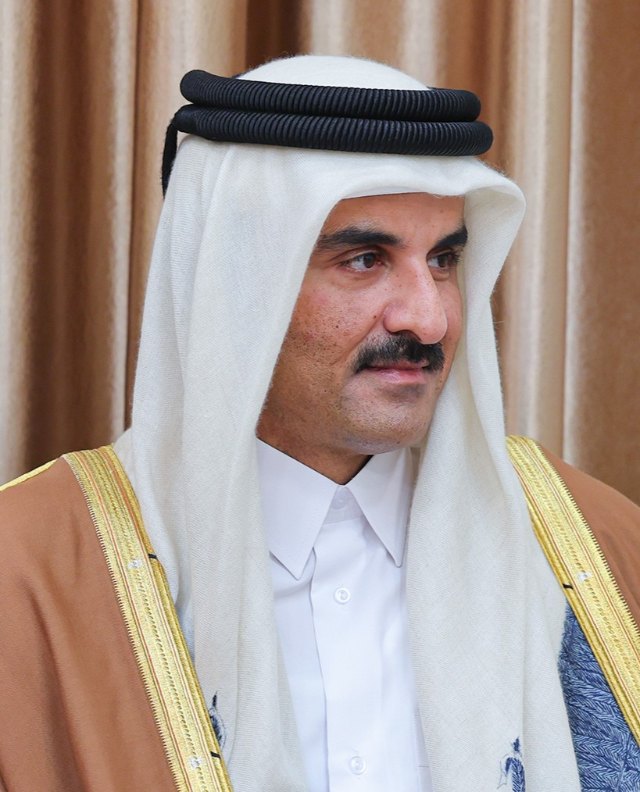

Cabinet Holds Weekly Meeting
Prime Minister Sheikh Mohammed bin Abdulrahman Al-Thani chaired Qatar's weekly Cabinet meeting, where ministers condemned a Houthi attack on a Saudi power facility serving the Prophet's Mosque in Medina.
Read Story βQatar is a constitutional monarchy in which the crown retains an important place in the state while governing authority is exercised through constitutional institutions. Tamim bin Hamad Al Thani serves as Emir of Qatar.

Qatar is a hereditary monarchy in which the ruling monarch holds the predominant executive authority of the state. Cabinet ministers and senior officials exercise delegated responsibilities, but the monarch remains the central source of executive power and has broad influence over appointments, foreign policy, security, and the making of national policy.
A national consultative or legislative council participates in reviewing laws, budgets, or public policy according to the country's constitutional arrangements, but it does not displace the monarch as the principal governing authority. The judiciary and administrative institutions operate under laws and decrees issued within the monarchical system.
Qatar is a unitary state, meaning sovereign authority is principally vested in national institutions, although local and regional governments exercise powers assigned by law. The constitution defines the relationship among the executive, legislature, judiciary, and subnational administration.

Prime Minister Sheikh Mohammed bin Abdulrahman Al-Thani chaired Qatar's weekly Cabinet meeting, where ministers condemned a Houthi attack on a Saudi power facility serving the Prophet's Mosque in Medina.
Read Story βDiscuss politics, government and current events with the Blahface community.
Politics Forum Soon