Tanzania is a republic in which the presidency sits at the center of national executive authority. Samia Suluhu Hassan serves as President of Tanzania, combining the roles of head of state and head of government under the country's constitutional framework.
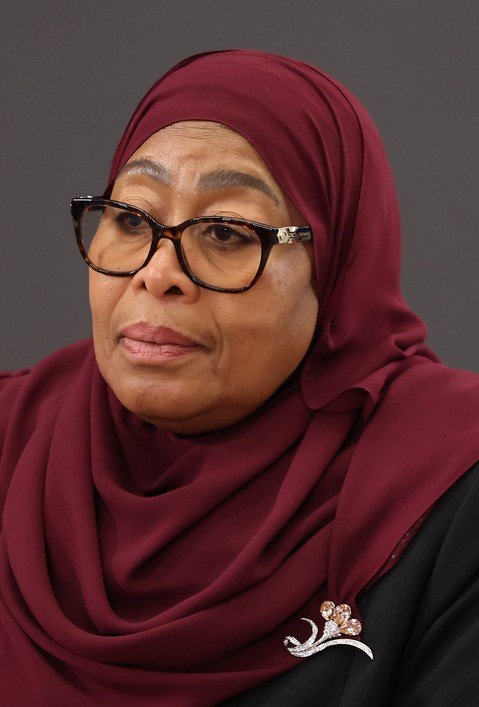
Tanzania operates as a republic with Samia Suluhu Hassan, the President of Tanzania, serving as both head of state and head of government. The presidency directs the executive branch and works with a cabinet or council of ministers to administer national policy and implement the laws.
Legislative authority is exercised through the country's national lawmaking body, while courts and other constitutional institutions provide the legal framework for public administration. Elections determine national representation and executive leadership according to the rules established by the constitution and electoral law.
Tanzania is a presidential republic in which the president is the central national executive and serves as head of state and, in constitutional terms, head of government or chief executive. The president appoints or directs the cabinet under the rules of the constitution, while the legislature has a separate mandate and exercises lawmaking, budgetary, and oversight functions.
Legislative authority is exercised through a unicameral national parliament or assembly. It passes legislation, approves the budget, and performs the oversight and appointment functions assigned to it by the constitution. The judiciary is formally separate from the political branches, with the highest courts responsible for interpreting law and, where the constitutional system provides for it, reviewing constitutional questions.
Tanzania is a union state with a distinctive division of authority between the union government and Zanzibar. Union matters are handled nationally, while Zanzibar maintains its own institutions for non-union affairs under the constitutional framework. In practice, the executive branch is politically dominant, and the space available to opposition parties, independent institutions, or electoral competition is more limited than the formal separation of powers alone might suggest.