United Arab Emirates is a constitutional monarchy in which the crown retains an important place in the state while governing authority is exercised through constitutional institutions. Mohamed bin Zayed Al Nahyan serves as President of the United Arab Emirates.
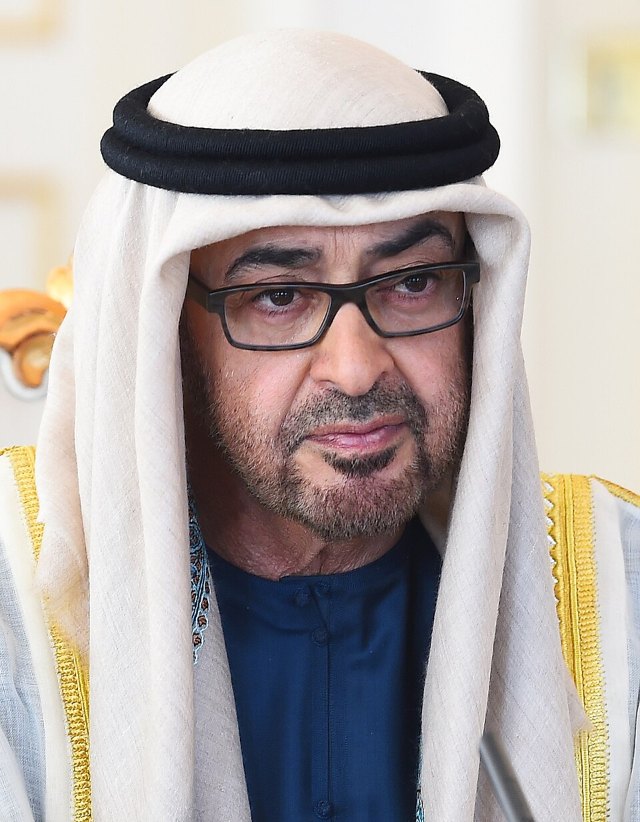
United Arab Emirates is a federation of seven hereditary emirates. Each emirate is ruled by its own monarch, and the seven rulers form the Federal Supreme Council, the highest constitutional authority. From among themselves they select the federal president and vice president, while a prime minister and Council of Ministers administer federal government.
The Federal National Council is a 40-member consultative legislative body whose members are partly selected through an electoral college process and partly appointed by the emirates. It reviews draft federal laws and the budget and can question ministers, while the Federal Supreme Council and Council of Ministers retain central roles in federal lawmaking and executive authority.
United Arab Emirates is organized on a federal basis, so constitutional authority is divided between national institutions and constituent states, regions, provinces, or other federal units. Those subnational governments have their own legally protected responsibilities, while defense, foreign affairs, national finance, and other sovereign functions remain principally at the federal level.