
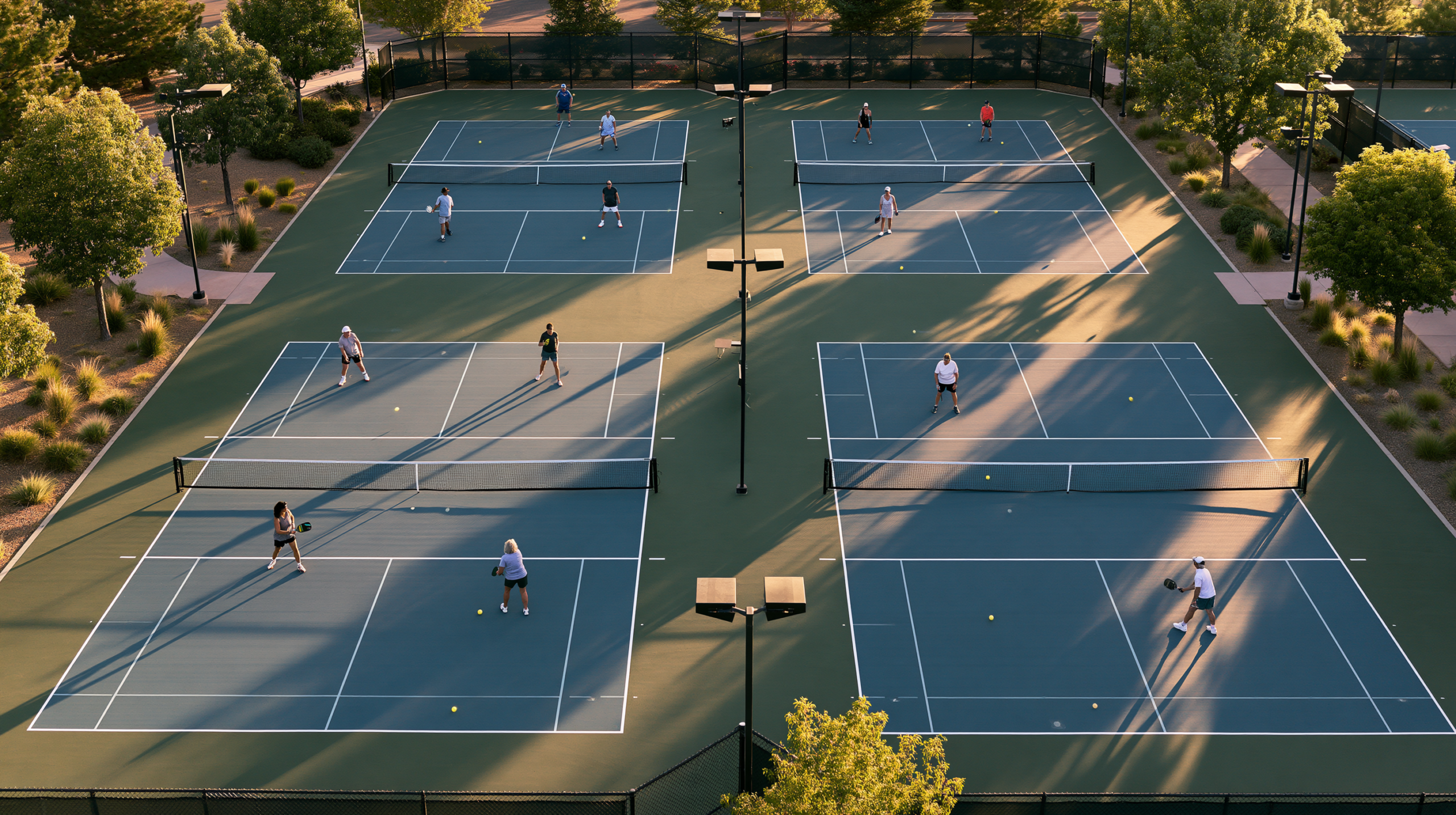
At first glance, pickleball hardly looks like an economic powerhouse. The paddles are compact, the courts are smaller than tennis courts, and beginners can learn the basics relatively quickly.
But behind the unmistakable sound of plastic balls striking paddles, an entirely different story is unfolding.
Across the United States, pickleball is influencing decisions about public spending, commercial real estate, private investment, sports equipment, and even neighborhood development.
The sport that once occupied overlooked corners of recreation centers is becoming a serious consideration in municipal budgets and commercial business plans.
1. From Recreational Trend to Economic Force
According to the Sports & Fitness Industry Association, approximately 24.3 million Americans played pickleball in 2025, compared with 4.2 million in 2020.
That represents a remarkable 479% increase in just five years.
Even more revealing is the number of committed participants. SFIA reported that Americans playing at least eight times per year increased from 1.4 million in 2020 to 7.5 million in 2025.
That distinction matters economically. Someone trying pickleball once might purchase an inexpensive paddle. A regular participant generates recurring demand for court access, equipment, instruction, competitive leagues, and tournaments.
The sport is also attracting a broader audience than its retirement-community reputation suggests. SFIA found that people ages 13 through 24 had the highest participation rate of any age segment in 2025.
Pickleball's commercial opportunity is no longer limited to one generation.
2. America's Parks Face a New Spending Decision
For local governments, pickleball presents an intriguing dilemma. Residents want convenient and affordable places to play, but public recreation budgets must also support swimming pools, walking trails, playgrounds, basketball courts, and countless other community needs.
Building a pickleball complex is therefore not simply a sporting decision. It is an exercise in public resource allocation.
Construction costs vary dramatically depending on the location, land preparation, parking requirements, lighting, accessibility, and supporting infrastructure.
Operating expenses can also continue long after the initial construction is complete. Facilities need maintenance, scheduling, insurance, resurfacing, and sometimes noise-management improvements.
For taxpayers, the question is not whether pickleball is popular. It is whether a proposed facility delivers sufficient long-term community value for its cost.
3. Private Investors See an Opportunity
While municipalities evaluate public budgets, private investors are pursuing a different business model.
Indoor pickleball clubs can generate revenue through memberships, court reservations, private lessons, tournaments, league participation, equipment sales, and organized events.
Some facilities also incorporate lounges, food and beverage service, or corporate entertainment.
The resulting business resembles a combination of an athletic club, social gathering place, and specialized recreational venue.
But enthusiasm does not guarantee profitability.
Operators need enough recurring customers to cover rent, insurance, staffing, utilities, maintenance, and significant upfront construction expenses.
Peak evening and weekend reservations may be popular while weekday hours remain underused. Competing facilities can also put pressure on membership prices.
The strongest businesses may not be the ones building the most courts. They may be the operators who understand local demographics, efficient court utilization, and customer loyalty.
4. The Real Estate Equation
Pickleball's popularity is also creating potential new uses for commercial properties.
Former retail spaces, industrial warehouses, and existing athletic facilities may offer opportunities for conversion into indoor recreational centers.
However, converting a building is not always inexpensive. Adequate ceiling heights, HVAC systems, accessibility improvements, acoustic treatment, lighting, safe circulation, and court surfaces can substantially influence development costs.
In residential communities, pickleball courts can also function as recreational amenities intended to appeal to homeowners or renters.
But a desirable amenity for some residents may create concerns about parking, noise, or maintenance expenses for others.
The financial value of a pickleball facility depends not only on the sport's popularity, but also on where it is located and how successfully it fits into its surroundings.
5. The Sound of Success Has a Cost
Few sports have made their distinctive sound such a prominent part of neighborhood discussions.
The sharp, repetitive impact of pickleball can create tensions when courts are located near homes.
Noise assessments, sound barriers, operating-hour restrictions, specialized equipment, and potential court relocation can add expenses not always anticipated during the early planning stages.
USA Pickleball has developed resources addressing acoustics and noise-reduced equipment.
This illustrates an interesting consequence of recreational growth: as one industry expands, it can create opportunities for entirely different businesses.
Acoustic engineers, facility designers, equipment manufacturers, and construction specialists may all find new demand.
Successful recreational development requires more than providing space for athletes. It also requires thoughtful integration into the surrounding community.
6. A Growing Market for Equipment and Services
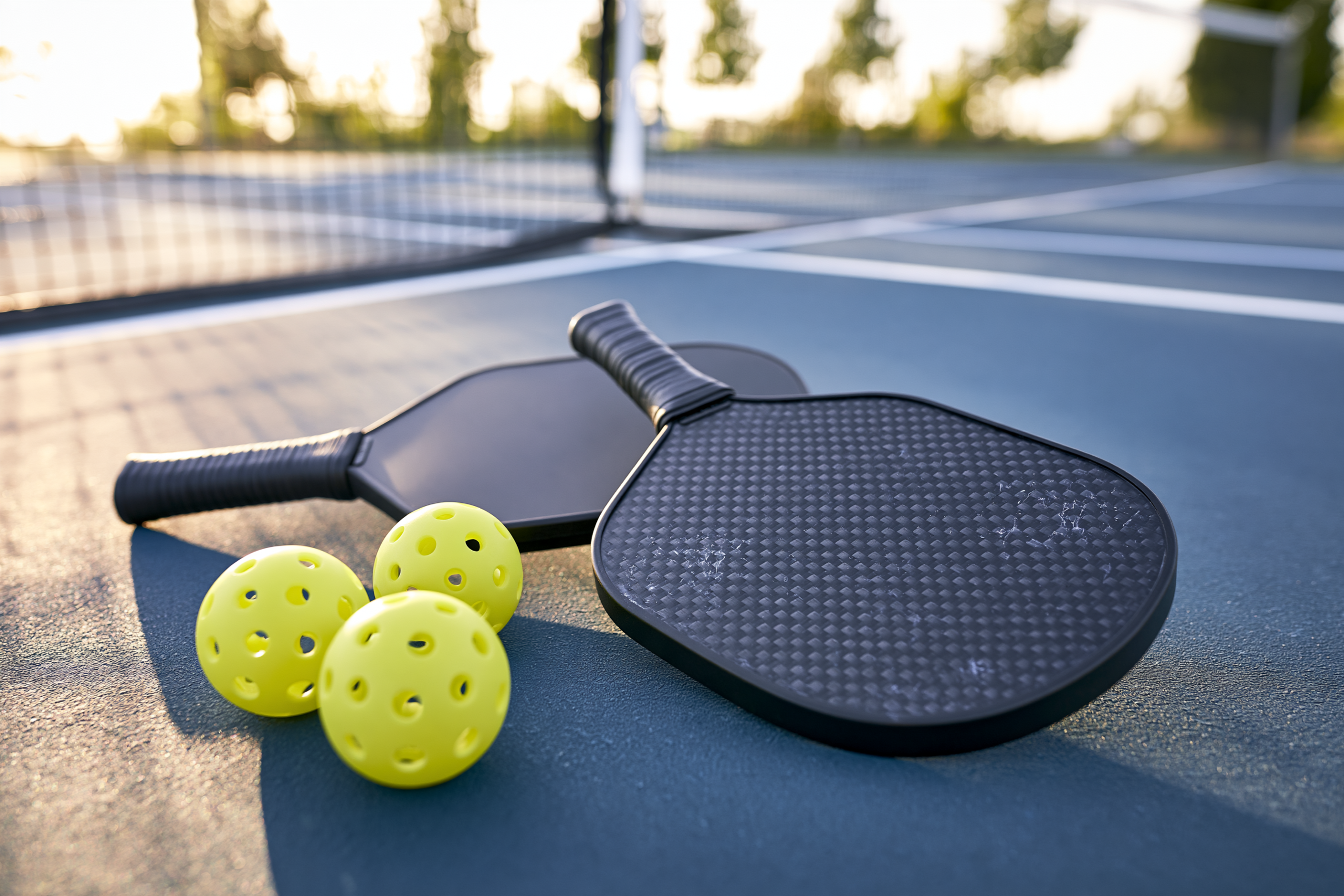
Every new pickleball participant becomes a potential customer for sporting goods businesses.
As players become more committed, their purchases may expand from inexpensive starter paddles to higher-performance equipment, shoes, accessories, bags, and replacement balls.
But the economic activity extends beyond retail.
Independent coaches can develop instructional programs. Tournament organizers can coordinate competitions. Local clubs can introduce leagues, clinics, and special events.
Restaurants, hotels, and other hospitality businesses may also benefit when regional tournaments attract visitors from outside the immediate area.
For example, USA Pickleball reported an estimated $3.6 million economic impact from its 2024 National Championships in Mesa, Arizona.
That figure reflects a major national event, not the expected return from an ordinary local tournament. Nevertheless, it demonstrates how sports participation can generate economic activity beyond the court.
7. Is Participation Growing Faster Than Infrastructure?
One of the central economic challenges facing pickleball is the relationship between player growth and available facilities.
In its 2024 State of Pickleball report, SFIA and Pickleheads estimated that approximately $855 million in additional court-construction investment would be needed over the following five to seven years.
The report also found that some regions continued to experience declining court availability relative to participant numbers even as new facilities opened.
That highlights an important distinction.
A national increase in the number of courts does not mean every neighborhood has sufficient playing space.
Likewise, opening expensive private facilities does not automatically solve access problems for players seeking affordable public recreation.
The most sustainable approach may involve a combination of public courts, commercial clubs, existing athletic facilities, schools, and community partnerships.
8. Could the Pickleball Boom Become a Bubble?
Rapid growth attracts investment. Investment creates competition. And competition can eventually test whether consumer enthusiasm translates into sustainable revenue.
A community experiencing a shortage of pickleball courts today could find itself with multiple competing clubs in a few years.
If too many operators pursue the same customer base, membership prices may weaken while fixed costs remain high.
There is also the question of changing recreational preferences. American consumers have embraced numerous sports and fitness trends over the decades, some of which became permanent institutions while others settled into smaller markets.
Pickleball has important strengths. The sport is relatively approachable, accommodates social play, and has developed a substantial base of repeat participants.
Still, those advantages do not guarantee that every commercial investment will succeed.
Investors must evaluate demand in individual markets rather than assuming national participation growth translates directly into local profitability.
9. The Human Side of the Recreation Economy
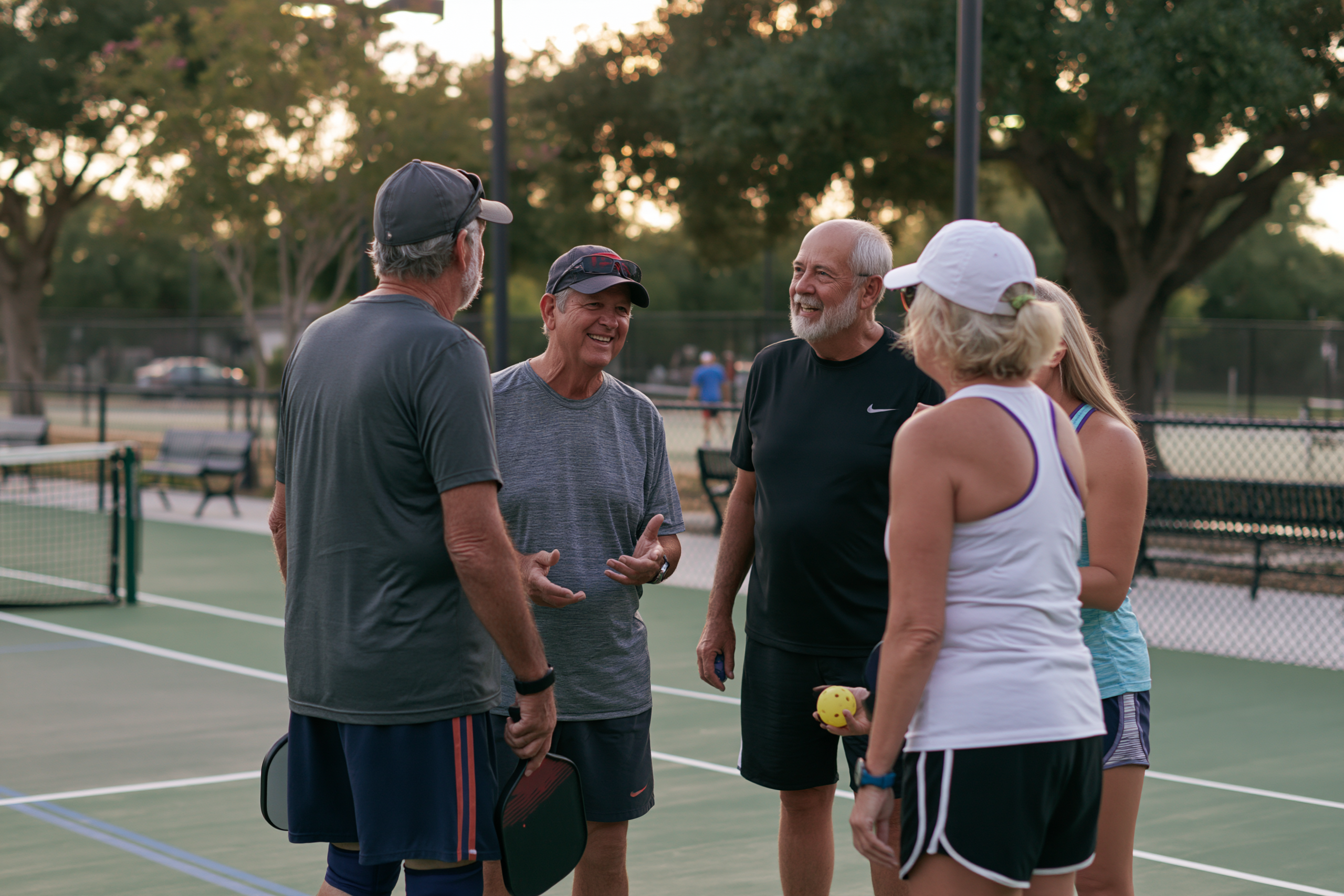
Perhaps the most interesting aspect of pickleball's growth has little to do with equipment or construction.
The sport reflects a demand for recreational activities that combine physical exercise, social interaction, competition, and convenience.
Many consumers want enjoyable physical activities that do not require an expensive traditional club membership or years of athletic training.
Pickleball fits many of those preferences.
For cities and entrepreneurs, that suggests a broader opportunity extending beyond one sport.
Facilities that encourage regular participation, create community connections, and accommodate different ages and experience levels may hold substantial long-term value.
Similar economic questions could increasingly arise around other recreational activities, including padel, indoor climbing, community sports leagues, and specialized fitness studios.
Pickleball may be one of the most visible examples of a much larger change in how Americans choose to spend their leisure time.
10. Who Really Wins?
The ultimate economic winners of pickleball's expansion may not simply be the companies selling the most paddles or opening the largest facilities.
Communities can benefit when thoughtfully planned courts create affordable opportunities for physical activity and social connection.
Small businesses can benefit from instruction, equipment sales, events, and specialized services.
Property owners and developers can benefit when new facilities match genuine local demand and operate sustainably.
And players can benefit from greater choice, improved facilities, and easier access.
But poorly planned construction, excessive investment, neighborhood conflicts, and financial overexpansion can offset those gains.
The true measure of pickleball's economic success will not be how quickly America builds courts. It will be whether those courts continue delivering value long after the initial excitement fades.
The next chapter of pickleball is not simply about playing the game.
It's about building an economy around it—and determining whether that economy can last.
Editorial note: This article is an independent Blahface analysis based on publicly available industry research and economic considerations. It does not claim firsthand reporting or original interviews. The accompanying images are AI-generated editorial illustrations rather than photographs documenting actual events or facilities.