Save Water
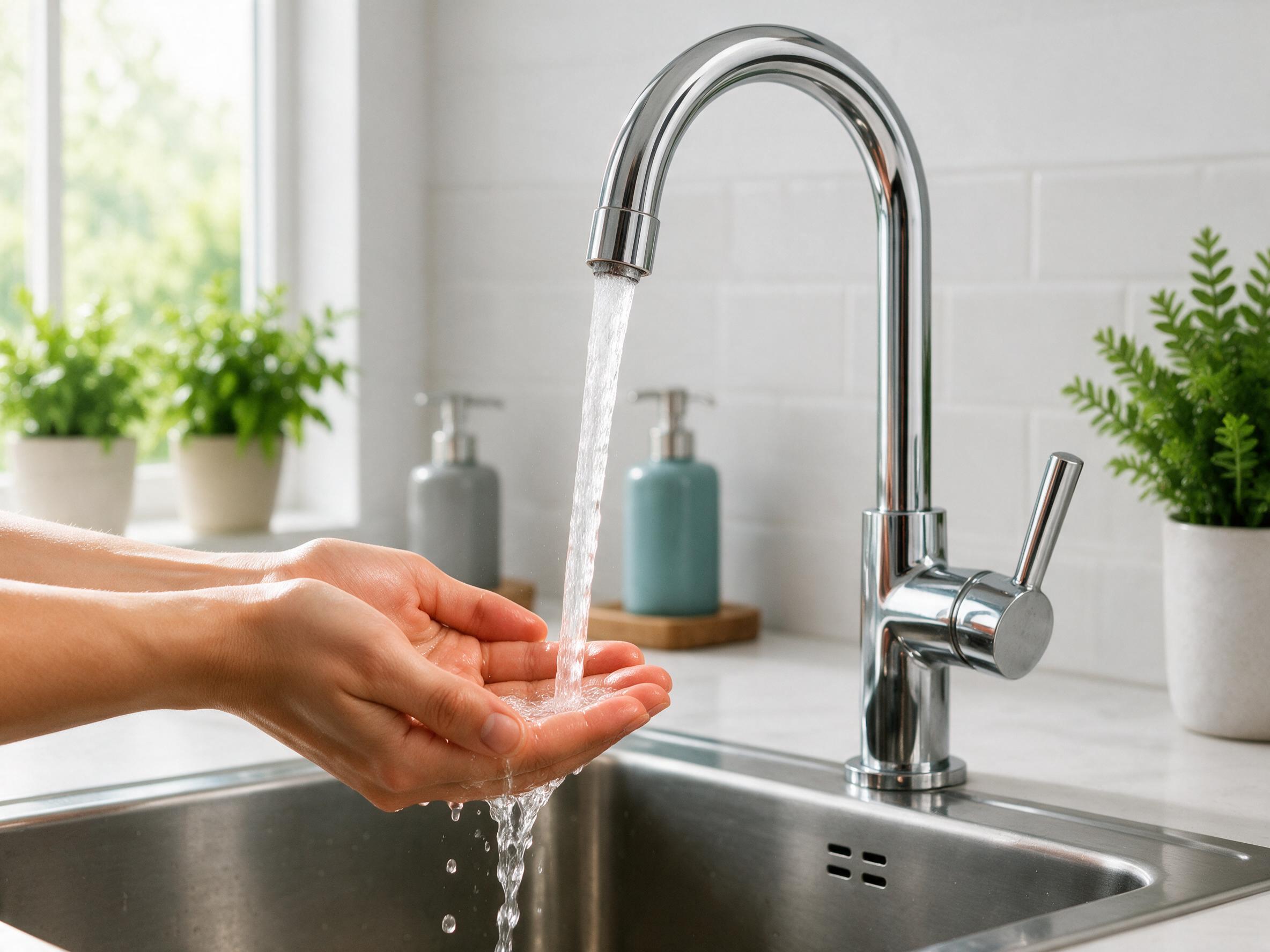
Turn off taps when not in use, fix leaks and use water more mindfully.
Austria's landscape is shaped overwhelmingly by the Alps, which cover roughly two-thirds of the country and support extensive coniferous forests, alpine meadows, and glacial lakes. The Danube River crosses the country from west to east, while wildlife such as chamois, marmots, and golden eagles inhabit its higher mountain regions. Austria has a long tradition of protecting its natural surroundings, with national parks, nature reserves, and conservation areas helping preserve its remarkable landscapes. Hohe Tauern National Park, the largest in the country, is home to towering mountain peaks, glaciers, waterfalls, and diverse wildlife. The country's forests also play an important role in protecting biodiversity, maintaining healthy ecosystems, and absorbing carbon dioxide. Hydropower supplies a substantial share of Austria's electricity, while solar and wind energy are becoming increasingly important. Public transportation, waste recycling, and energy-efficient buildings are also part of the country's approach to environmental sustainability. Despite these efforts, Austria faces growing environmental pressures. Rising temperatures are causing Alpine glaciers to retreat, changing snowfall patterns, and placing additional stress on mountain ecosystems. Tourism, transportation, and urban development present further challenges for protecting natural habitats and reducing emissions. Balancing economic activity with environmental protection remains an ongoing priority as Austria works to preserve its mountains, forests, waterways, and wildlife for future generations.
Tap a card to expand it.
Everyday habits that support a more sustainable future.
Turn off taps when not in use, fix leaks and use water more mindfully.
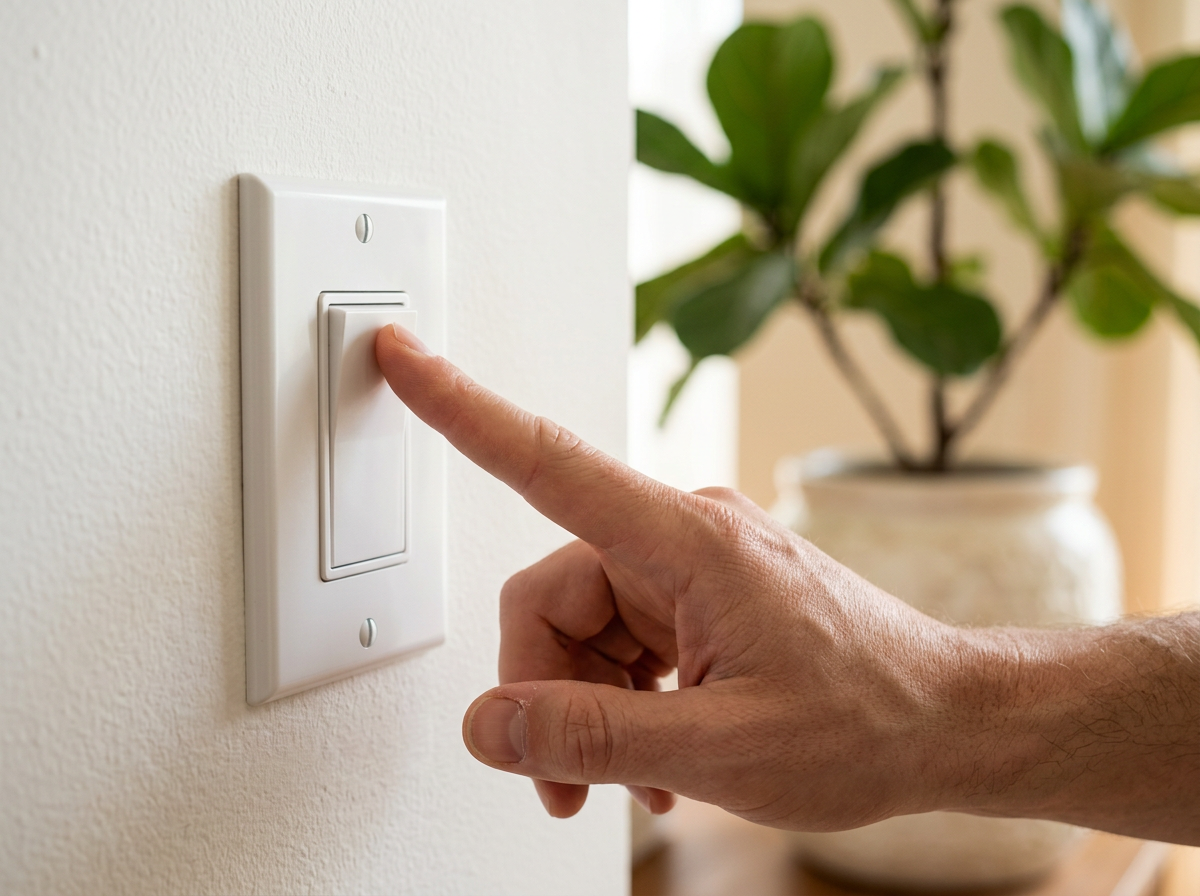
Switch off unused lights and devices and choose energy-efficient products.

Plan purchases, store food properly and make the most of leftovers.
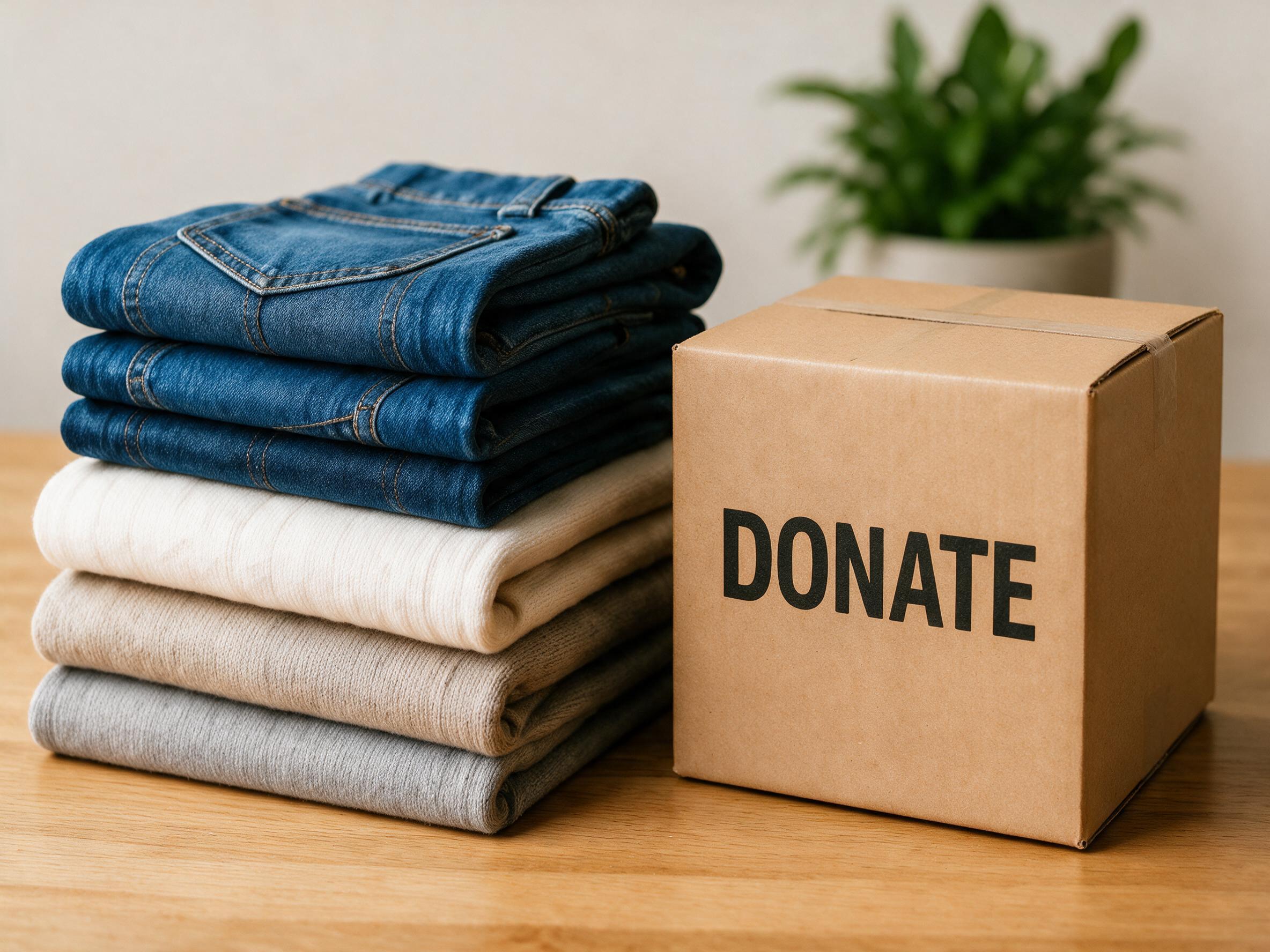
Repair, repurpose or donate items instead of throwing them away.
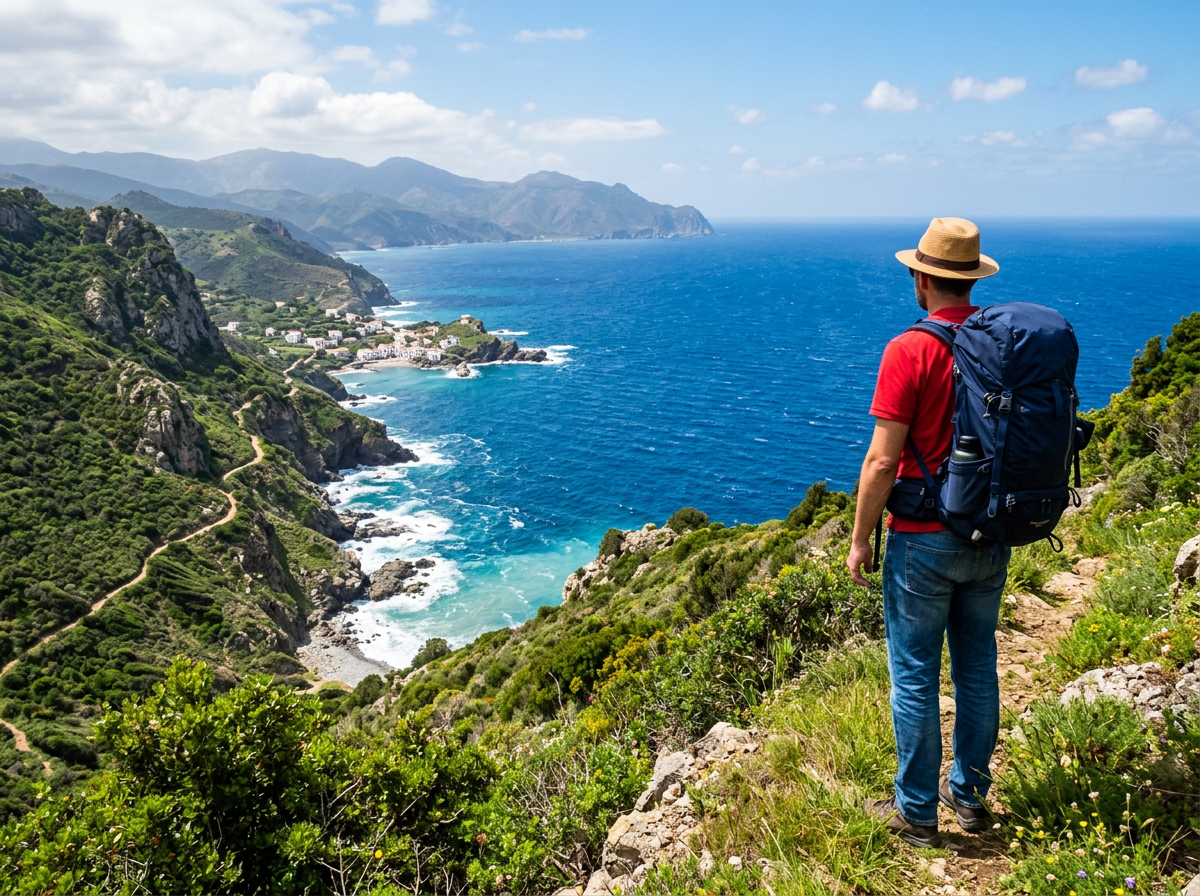
Respect natural environments, follow local guidelines and support local communities.
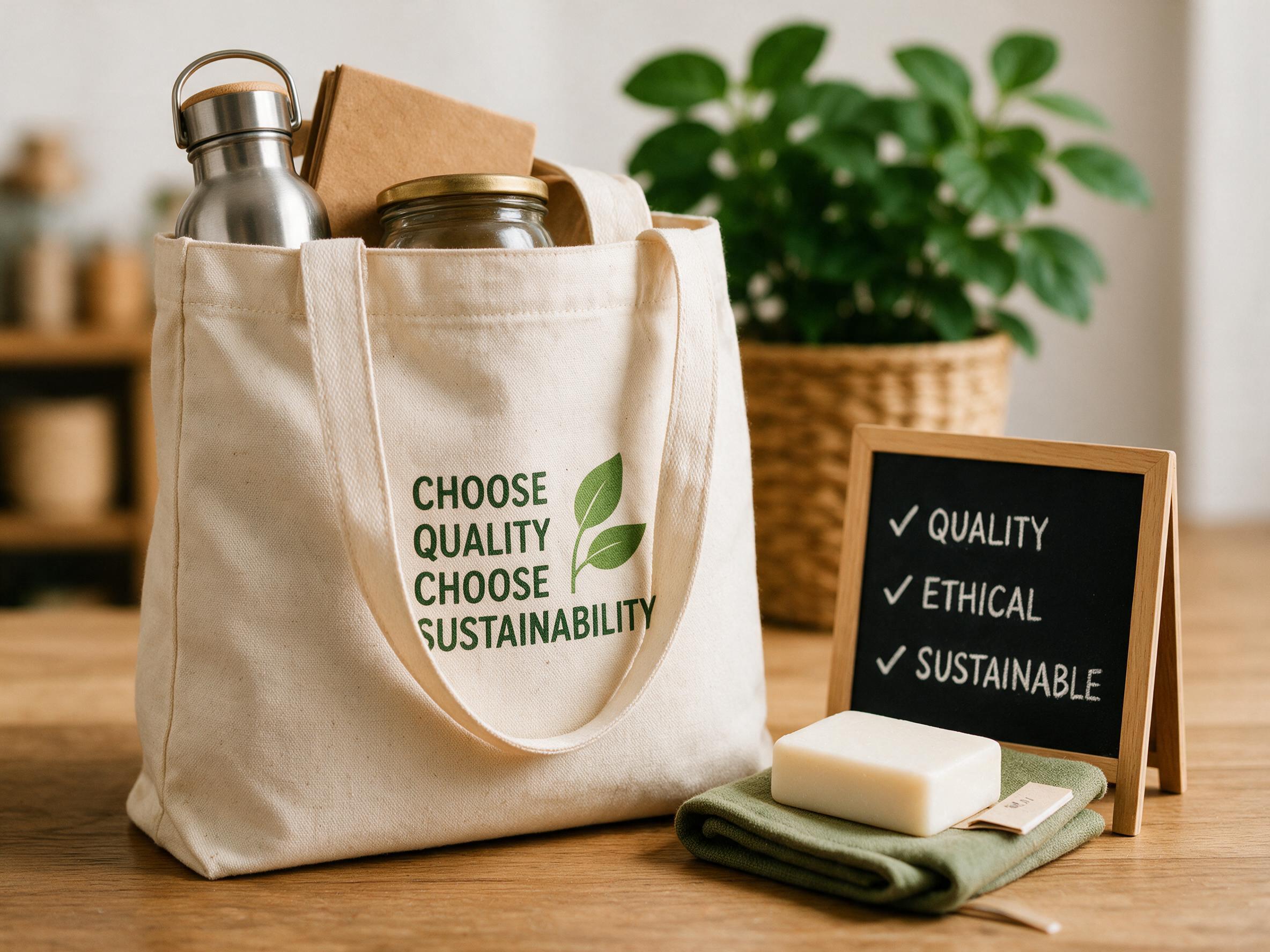
Consider durability, packaging and where products come from.