

Blahface.com Uniting People Online

Gabon
✈️ Travel Guide

Gabon

Rainforest Meets the Atlantic

Capital
Libreville
Currency
Central African CFA Franc (XAF)
Language
French
Best Time
May–Sep
Time Zone
WAT (UTC+1)
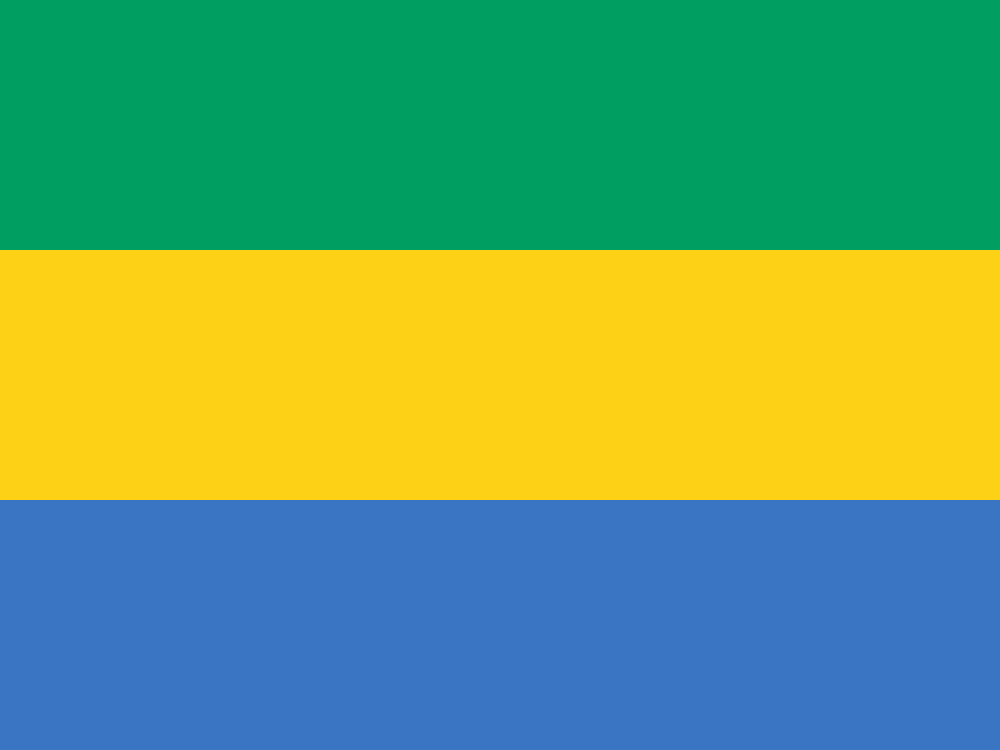
Flag of Gabon
👋 Overview

Welcome to Gabon

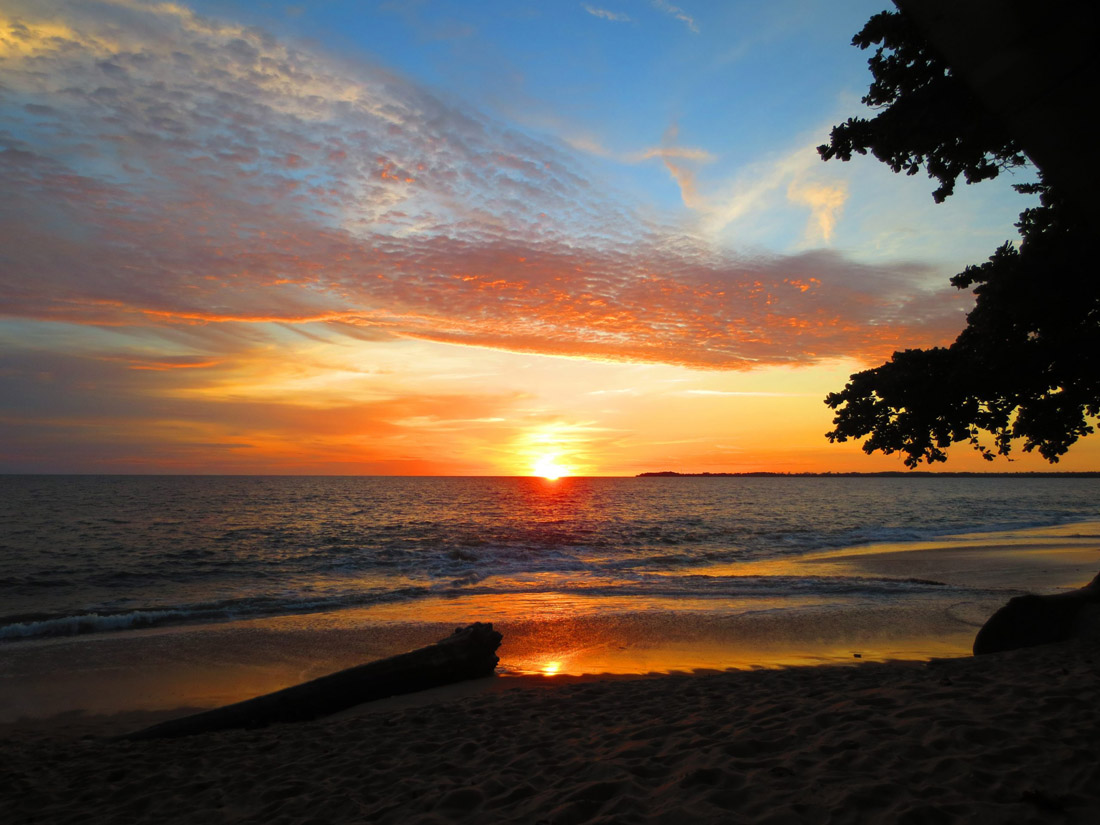
Welcome to Gabon, a Central African nation where dense rainforest stretches almost unbroken to the Atlantic coastline. Loango National Park, often called "Africa's Last Eden," offers the rare sight of elephants, hippos, and gorillas wandering along pristine beaches. Libreville, the capital, blends modern architecture with easy access to the surrounding equatorial wilderness. Gabon has committed much of its land to national parks, protecting some of the most biodiverse rainforest remaining in Africa.

Whale watching off Gabon's coast reveals humpback whales during their seasonal migration, a rare treat for visitors. Traditional Bwiti spiritual ceremonies reflect deep-rooted customs still practiced among Gabon's forest communities. The country's low tourist numbers mean wildlife encounters here feel remarkably intimate and untouched. Gabon invites adventurous travelers to discover one of Africa's most pristine and biodiverse rainforest destinations.

AdvertisementAdvertise with Blahface
📍 Where to go

Popular Cities

01

Libreville

Libreville, Gabon’s capital, offers a relaxed waterfront along the Gulf of Guinea, with the Presidential Palace and the striking modern Notre-Dame Cathedral among its notable landmarks. The National Museum of Arts and Traditions showcases masks and artifacts reflecting Gabon’s diverse ethnic heritage and Bwiti spiritual traditions.

Read more ↓Show less ↑

The city’s proximity to Pongara National Park allows for surprisingly accessible wildlife viewing, including forest elephants and nesting sea turtles along undeveloped beaches just across the estuary. Libreville’s markets sell crafts and produce reflecting the country’s deep connection to its extensive rainforest. Gabon’s oil wealth has funded significant infrastructure in the capital, though much of the country remains covered in pristine rainforest. Libreville serves as the practical gateway before exploring Gabon’s exceptional network of national parks.

02

Port-Gentil

Port-Gentil, Gabon’s main oil industry hub, sits on an island at the mouth of the Ogooue River, offering beaches and a more relaxed pace despite its industrial economic base. The city serves as a gateway to Loango National Park, celebrated for its rare combination of forest elephants, hippos, and even surfing hippos spotted along its beaches.

Read more ↓Show less ↑

Local markets in Port-Gentil trade goods connected to both the oil industry and the surrounding fishing communities. The city’s beaches, while not as pristine as those within the national parks, offer a relaxed break from Gabon’s dense rainforest interior. Port-Gentil’s role as an oil town shapes much of its modern development and infrastructure. It remains most valuable to travelers as a gateway to Loango’s extraordinary wildlife.

03

Franceville

Franceville, in southeastern Gabon, serves as a regional center near the country’s mining industry and offers access to the dramatic Bateke Plateau, a rare savanna landscape amid Gabon’s otherwise dense rainforest. The nearby Lekoni Canyons, with their striking red and orange eroded formations, are sometimes compared to a miniature version of the American Southwest.

Read more ↓Show less ↑

The town’s markets and colonial-era buildings reflect its history as an administrative center for this part of the country. Franceville’s relatively cooler, higher-elevation climate offers a change of pace from Gabon’s humid coastal regions. Nearby, the Ivindo National Park, though better accessed from other points, remains within striking distance for the more adventurous traveler. Franceville’s unusual savanna and canyon scenery offer a different side of Gabon from its famous rainforest.

🍴 On the menu

Local Food to Try

Discover some of Gabon's most popular flavors, traditional dishes and memorable local treats during your visit.

Poulet Nyembwe

Poulet Nyembwe is a signature Gabon specialty known for its distinctive local ingredients, seasoning and traditional preparation.

Atanga

This popular Gabon dish brings together familiar regional flavors and is commonly enjoyed in homes, markets or local restaurants.

Dongo-Dongo

A well-loved part of Gabon cuisine, Dongo-Dongo reflects the country's culinary traditions and locally available ingredients.

Brochettes

Brochettes is a comforting regional favorite, prepared in styles that may vary between families, cities and different parts of Gabon.

Cassava Leaves

Visitors often seek out Cassava Leaves for an authentic taste of Gabon's everyday cooking and food culture.

Grilled Fish

This traditional favorite highlights the bold, savory or gently spiced flavors associated with cooking in Gabon.

Fufu

Fufu is widely recognized in Gabon and is often served at casual meals, celebrations or community gatherings.

Plantain Chips

A memorable choice for travelers, Plantain Chips offers a flavorful introduction to the ingredients and techniques used across Gabon.

Banana Beignets

This classic food is an important part of Gabon's culinary identity and is best sampled freshly prepared.

AdvertisementAdvertise with Blahface
💡 Did you know?

Little-Known Facts

1

Gabon is one of Africa's most heavily forested countries, with nearly 90 percent of its land covered by tropical rainforest. These vast forests form part of the Congo Basin, the world's second-largest rainforest, and provide habitat for an extraordinary array of wildlife. Gabon is considered one of Africa's leading conservation success stories, having designated approximately 11 percent of its territory as national parks to protect its remarkable biodiversity.

2

The country's wildlife is among the richest on the continent. Forest elephants, western lowland gorillas, chimpanzees, leopards, mandrills, and countless bird species thrive within Gabon's protected areas. Loango National Park is especially famous because it is one of the few places where visitors may witness elephants, buffalo, gorillas, and even hippos wandering along untouched Atlantic beaches. Offshore waters also welcome migrating humpback whales and nesting sea turtles, making Gabon a paradise for wildlife enthusiasts.

3

Beyond its natural wonders, Gabon features waterfalls, rivers, caves, and pristine coastlines that remain largely undiscovered by mass tourism. Traditional cultures, colorful music, and vibrant ceremonies continue to flourish throughout the country, blending with French influences from its colonial past. Gabon's commitment to conservation and sustainable tourism has preserved one of Africa's last great wilderness areas, offering visitors an authentic glimpse into untouched tropical ecosystems.

🧳 Before & during your trip

Travel Tips

Tap a topic to open it.

Before You Go
  • Confirm passport validity and entry requirements.
  • Check whether a tourist visa is required.
  • Keep digital copies of important documents.
  • Consider purchasing travel insurance.
Money & Payments
  • Review the local currency and exchange rate.
  • Carry some cash for small businesses and markets.
  • Check for international bank transaction fees.
  • Learn the country's customary tipping practices.
Stay Connected
  • Review your mobile carrier's international plan.
  • Consider purchasing a local SIM or eSIM.
  • Download maps for offline use before traveling.
  • Avoid sensitive transactions on unsecured Wi-Fi.
Transportation
  • Research public transportation before arrival.
  • Use licensed taxis or reputable rideshare services.
  • Check which side of the road vehicles use.
  • Confirm whether an international permit is needed.
Electricity
  • Check the country's voltage and outlet type.
  • Bring the correct plug adapter for your devices.
  • Use a voltage converter when required.
  • Pack a portable charger for longer excursions.
Weather & Clothing
  • Review the seasonal weather before packing.
  • Bring layers for changing temperatures.
  • Pack rain protection when appropriate.
  • Use sunscreen even on cool or cloudy days.
Food & Water
  • Research whether tap water is safe to drink.
  • Communicate food allergies clearly.
  • Try traditional dishes from reputable vendors.
  • Observe local dining customs and meal times.
Safety
  • Secure valuables in crowded tourist areas.
  • Avoid displaying large amounts of cash.
  • Share your itinerary with someone you trust.
  • Review current government travel advisories.
Language & Etiquette
  • Learn a few polite words in the local language.
  • Respect dress requirements at religious sites.
  • Ask permission before photographing people.
  • Follow local traditions, laws and social customs.
Emergency Planning
  • Save the country's emergency telephone number.
  • Locate your nearest embassy or consulate.
  • Keep medication in its original packaging.
  • Store emergency contacts offline and on paper.
Smart Packing
  • Pack comfortable shoes for walking and tours.
  • Keep essential medication in your carry-on.
  • Bring a reusable bottle where appropriate.
  • Leave room for locally purchased items.
Local Research
  • Check attraction hours and reservation policies.
  • Review national holidays and local closures.
  • Download important addresses before departure.
  • Leave flexibility for unexpected discoveries.

Important: Entry requirements, transportation rules, weather conditions and safety guidance can change. Verify important information with official sources before traveling.

📰 Travel News

Live feed