

Blahface.com Uniting People Online

Moldova
✈️ Travel Guide

Moldova

Europe's Underground Wine Country

Capital
Chișinău
Currency
Moldovan Leu (MDL)
Language
Romanian
Best Time
May–Sep
Time Zone
EET (UTC+2) / EEST (UTC+3)
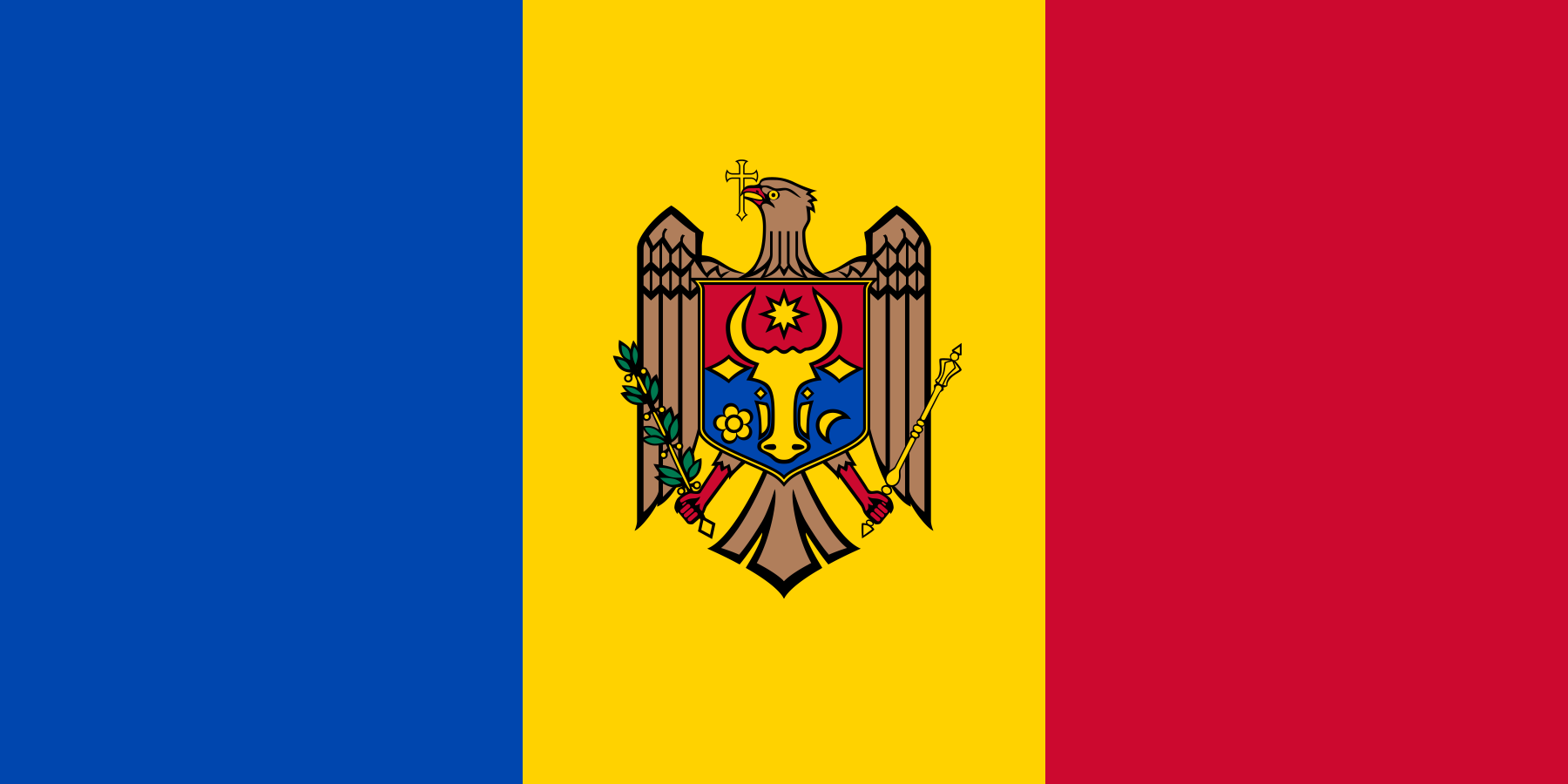
Flag of Moldova
👋 Overview

Welcome to Moldova

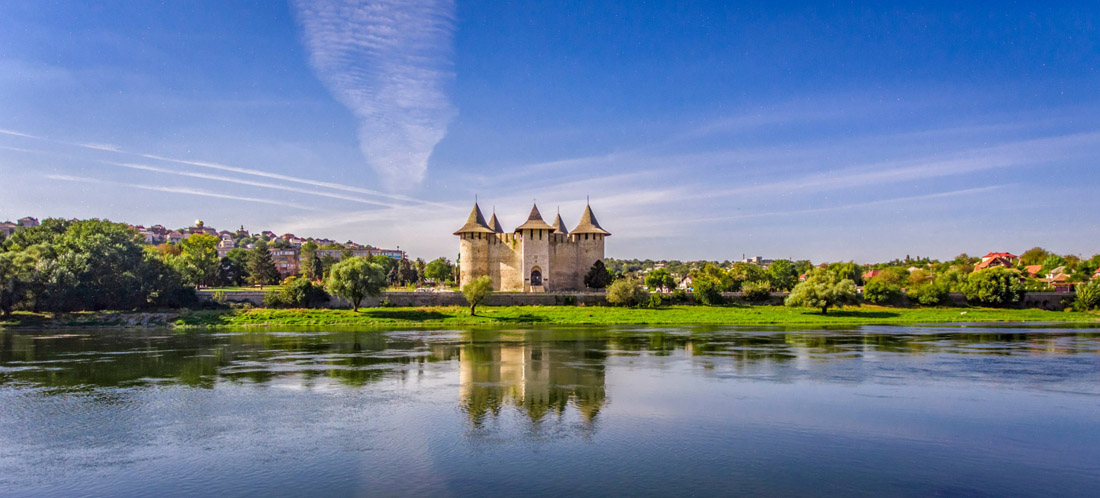
Welcome to Moldova, a small Eastern European country known for its rolling vineyards and extraordinary underground wine cellars. Cricova and Mileștii Mici hold some of the largest wine cellars in the world, with tunnels stretching for miles beneath the countryside. Chișinău, the capital, offers a relaxed introduction to Moldovan culture, with tree-lined boulevards and a growing café scene. Moldova's countryside unfolds in gentle hills and vineyards, producing wine traditions dating back thousands of years.

The Orheiul Vechi monastery, carved into limestone cliffs above a river bend, offers a stunning and peaceful historic site. Traditional villages throughout the countryside preserve folk customs, crafts, and warm rural hospitality. Moldova's affordability and lesser-known status make it a rewarding destination for travelers seeking authentic, uncrowded European charm. Moldova invites travelers to discover a quiet wine-country gem in the heart of Eastern Europe.

AdvertisementAdvertise with Blahface
📍 Where to go

Popular Cities

01

Chisinau

Chisinau, Moldova’s green capital, is laid out around wide boulevards and parks, with the Nativity Cathedral and its freestanding bell tower anchoring Central Park in the city’s heart. The Arc de Triomphe nearby commemorates Moldova’s independence from the Ottoman Empire.

Read more ↓Show less ↑

Just outside the city, the Cricova and Mileștii Mici wineries operate within vast underground tunnels, some stretching over a hundred kilometers, offering tastings of Moldova’s celebrated wines deep underground. The city’s central market gives a lively look at local produce and traditional foods. Chisinau’s Soviet-era architecture sits alongside newer cafes and green spaces, giving the capital an understated, walkable character. It serves as an easy base for exploring the wine country that has made Moldova one of Europe’s oldest wine-producing regions.

02

Balti

Balti, Moldova’s second-largest city, retains a more industrial character shaped by its role as a regional transport and manufacturing hub. The city’s central park and cultural theater offer a quieter, small-city counterpart to the capital’s bustle.

Read more ↓Show less ↑

Local markets trade produce from the surrounding agricultural region, one of Moldova’s most productive farming areas. Balti’s Soviet-era apartment blocks and squares give an authentic look at provincial Moldovan city life away from tourist routes. The city serves as a practical stop for travelers exploring Moldova’s northern region. Its unpolished character offers a genuine contrast to the more visited capital.

03

Tiraspol

Tiraspol, the de facto capital of the breakaway Transnistria region, retains Soviet-era monuments, statues of Lenin, and hammer-and-sickle emblems rarely seen elsewhere in Europe today. The city’s wide, well-kept boulevards and disciplined civic order feel frozen in an earlier era.

Read more ↓Show less ↑

The Kvint brandy distillery offers tours and tastings of a product that has defined the region’s export economy for decades. Tiraspol’s House of Soviets and war memorial along the Dniester River are among the most photographed reminders of the region’s unresolved political status. Crossing into Transnistria requires passing through border checkpoints, adding a layer of intrigue to the visit. Tiraspol offers a genuinely unusual detour for travelers curious about one of Europe’s least-visited territories.

🍴 On the menu

Local Food to Try

Discover some of Moldova's most popular flavors, traditional dishes and memorable local treats during your visit.

Mămăligă

Mămăligă is a signature Moldova specialty known for its distinctive local ingredients, seasoning and traditional preparation.

Plăcinte

This popular Moldova dish brings together familiar regional flavors and is commonly enjoyed in homes, markets or local restaurants.

Sarmale

A well-loved part of Moldova cuisine, Sarmale reflects the country's culinary traditions and locally available ingredients.

Zeamă

Zeamă is a comforting regional favorite, prepared in styles that may vary between families, cities and different parts of Moldova.

Tochitură

Visitors often seek out Tochitură for an authentic taste of Moldova's everyday cooking and food culture.

Mititei

This traditional favorite highlights the bold, savory or gently spiced flavors associated with cooking in Moldova.

Colțunași

Colțunași is widely recognized in Moldova and is often served at casual meals, celebrations or community gatherings.

Cușma lui Guguță

A memorable choice for travelers, Cușma lui Guguță offers a flavorful introduction to the ingredients and techniques used across Moldova.

Baba Neagră

This classic food is an important part of Moldova's culinary identity and is best sampled freshly prepared.

AdvertisementAdvertise with Blahface
💡 Did you know?

Little-Known Facts

1

Moldova is home to Mileștii Mici, a vast underground wine cellar built into a network of former limestone mine tunnels that stretches over 120 miles, housing more than a million bottles of wine and holding the Guinness World Record for the largest wine collection on Earth. Visitors can actually tour the cellars by golf cart, since the tunnels are far too extensive to explore comfortably on foot.

2

The country is considered one of the origins of winemaking in Europe, with archaeological evidence of grape cultivation and winemaking in the region dating back roughly 5,000 years, making Moldovan viticulture among the oldest continuous wine traditions in the world. Despite this rich heritage, Moldova is often cited as one of the poorest countries in Europe by per capita income, a status that stands in tension with its deep cultural and agricultural legacy.

3

Moldova is also home to the breakaway region of Transnistria, a narrow strip of land that declared independence in 1990 but is not internationally recognized by any UN member state, and which still uses Soviet-era symbols, including a hammer and sickle, on its flag today.

🧳 Before & during your trip

Travel Tips

Tap a topic to open it.

Before You Go
  • Confirm passport validity and entry requirements.
  • Check whether a tourist visa is required.
  • Keep digital copies of important documents.
  • Consider purchasing travel insurance.
Money & Payments
  • Review the local currency and exchange rate.
  • Carry some cash for small businesses and markets.
  • Check for international bank transaction fees.
  • Learn the country's customary tipping practices.
Stay Connected
  • Review your mobile carrier's international plan.
  • Consider purchasing a local SIM or eSIM.
  • Download maps for offline use before traveling.
  • Avoid sensitive transactions on unsecured Wi-Fi.
Transportation
  • Research public transportation before arrival.
  • Use licensed taxis or reputable rideshare services.
  • Check which side of the road vehicles use.
  • Confirm whether an international permit is needed.
Electricity
  • Check the country's voltage and outlet type.
  • Bring the correct plug adapter for your devices.
  • Use a voltage converter when required.
  • Pack a portable charger for longer excursions.
Weather & Clothing
  • Review the seasonal weather before packing.
  • Bring layers for changing temperatures.
  • Pack rain protection when appropriate.
  • Use sunscreen even on cool or cloudy days.
Food & Water
  • Research whether tap water is safe to drink.
  • Communicate food allergies clearly.
  • Try traditional dishes from reputable vendors.
  • Observe local dining customs and meal times.
Safety
  • Secure valuables in crowded tourist areas.
  • Avoid displaying large amounts of cash.
  • Share your itinerary with someone you trust.
  • Review current government travel advisories.
Language & Etiquette
  • Learn a few polite words in the local language.
  • Respect dress requirements at religious sites.
  • Ask permission before photographing people.
  • Follow local traditions, laws and social customs.
Emergency Planning
  • Save the country's emergency telephone number.
  • Locate your nearest embassy or consulate.
  • Keep medication in its original packaging.
  • Store emergency contacts offline and on paper.
Smart Packing
  • Pack comfortable shoes for walking and tours.
  • Keep essential medication in your carry-on.
  • Bring a reusable bottle where appropriate.
  • Leave room for locally purchased items.
Local Research
  • Check attraction hours and reservation policies.
  • Review national holidays and local closures.
  • Download important addresses before departure.
  • Leave flexibility for unexpected discoveries.

Important: Entry requirements, transportation rules, weather conditions and safety guidance can change. Verify important information with official sources before traveling.

📰 Travel News

Live feed