

Blahface.com Uniting People Online

Bulgaria
✈️ Travel Guide

Bulgaria

Roses, Ruins, and Rugged Mountains

Capital
Sofia
Currency
Bulgarian Lev (BGN)
Language
Bulgarian
Best Time
May–Jun and Sept
Time Zone
EET (UTC+2) / EEST (UTC+3)
Flag of Bulgaria
👋 Overview

Welcome to Bulgaria

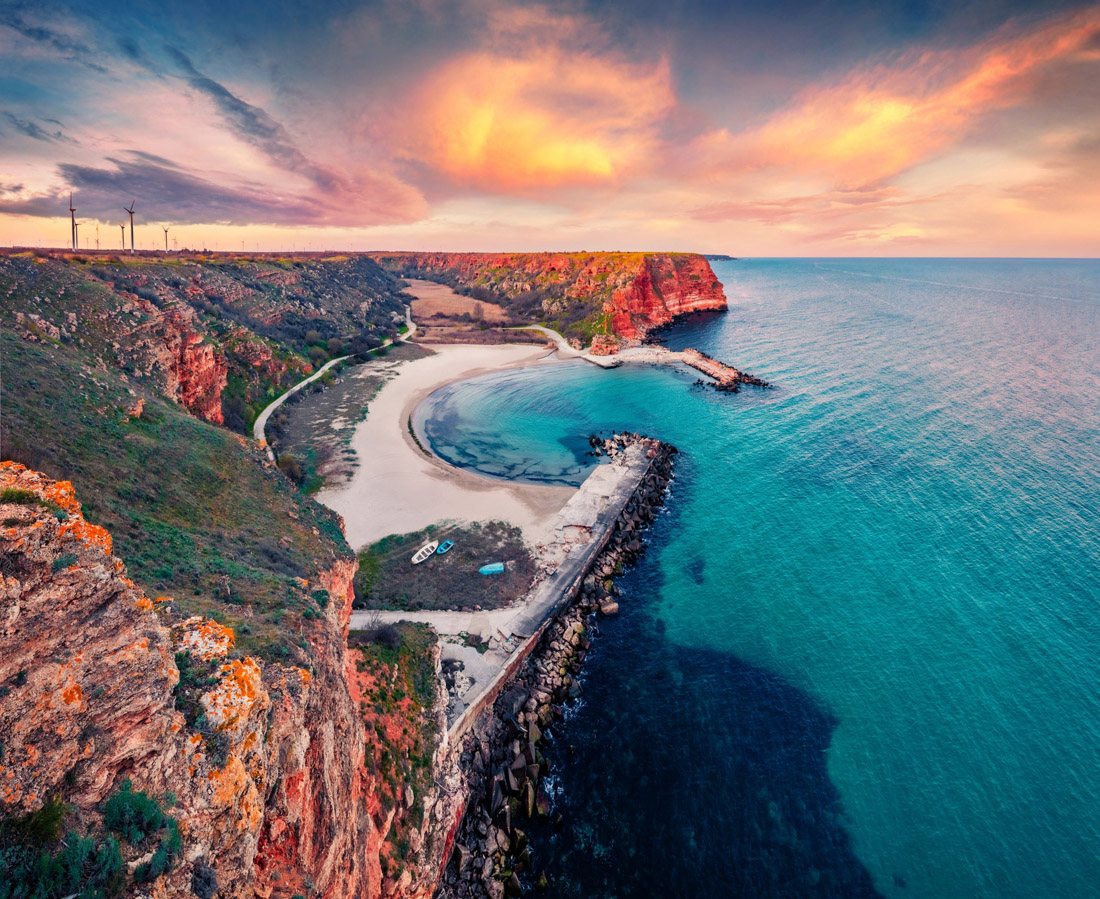
Welcome to Bulgaria, a country where ancient Thracian and Roman ruins sit beside rose-scented valleys and dramatic mountain ranges. Sofia, the capital, blends golden-domed Orthodox churches with Roman ruins uncovered right beneath the modern city streets. The Rila Monastery, tucked into forested mountains, stands as one of Bulgaria's most stunning and spiritually significant sites. The Black Sea coast offers golden sandy beaches and lively resort towns, a favorite summer escape for travelers across Europe. Bulgaria's Rose Valley produces much of the world's rose oil, filling the air with fragrance during the spring harvest season.

The Balkan and Rhodope mountain ranges offer incredible hiking, skiing, and traditional villages seemingly frozen in time. Ancient cities like Plovdiv, one of the oldest continuously inhabited cities in Europe, reveal layers of Roman, Ottoman, and Bulgarian history. Bulgaria invites travelers to explore an affordable, richly historic country full of natural beauty and old-world charm.

AdvertisementAdvertise with Blahface
📍 Where to go

Popular Cities

01

Sofia

Sofia’s Alexander Nevsky Cathedral, with its gold-domed Neo-Byzantine architecture, ranks among the largest Orthodox cathedrals in the world and anchors the city’s historic center. The Boyana Church, a UNESCO World Heritage site on the city’s outskirts, preserves remarkably detailed medieval frescoes dating to the thirteenth century.

Read more ↓Show less ↑

Vitosha Mountain, rising directly behind the city, offers hiking and skiing within easy reach of downtown, a rare combination for a European capital. Sofia’s ancient layers, including Roman ruins uncovered during metro construction and now displayed in situ, reveal a history stretching back over two thousand years. The city’s Ladies’ Market offers fresh produce and a lively, unpolished look at everyday Bulgarian life. Sofia’s blend of ancient history and mountain access makes it an underrated Balkan capital.

02

Plovdiv

Plovdiv, one of the oldest continuously inhabited cities in Europe, preserves a remarkably intact Roman amphitheater still used for concerts, set within the city’s Old Town of colorful Bulgarian Revival-era houses. The Kapana district, once a crafts quarter, has transformed into a lively hub of galleries, cafes, and street art.

Read more ↓Show less ↑

Nebet Tepe, one of the city’s ancient hills, offers ruins dating back to Thracian times along with views over the city’s terracotta rooftops. Plovdiv’s status as a former European Capital of Culture has spurred continued investment in its arts and heritage scene. The city’s layered Thracian, Roman, Ottoman, and Bulgarian Revival history makes it one of the most historically dense cities in the Balkans. Plovdiv’s atmospheric old town rewards unhurried wandering.

03

Varna

Varna, Bulgaria’s main Black Sea resort city, offers a long stretch of beach backed by the expansive Sea Garden park, one of the largest urban parks in the Balkans. The Roman Baths, among the largest Roman-era ruins in Bulgaria, reveal the city’s ancient importance as a trading port.

Read more ↓Show less ↑

Varna’s archaeological museum houses what is considered the oldest processed gold treasure in the world, discovered in a nearby necropolis dating back over six thousand years. The city’s promenade and beach clubs give it a lively summer atmosphere popular with both Bulgarians and international visitors. Nearby, the Aladzha Monastery, carved into a limestone cliff, offers an unusual rock-hewn religious site a short drive from the coast. Varna’s beaches and ancient history make it Bulgaria’s most popular seaside destination.

🍴 On the menu

Local Food to Try

Discover some of Bulgaria's most popular flavors, traditional dishes and memorable local treats during your visit.

Banitsa

Banitsa is a signature Bulgaria specialty known for its distinctive local ingredients, seasoning and traditional preparation.

Shopska Salad

This popular Bulgaria dish brings together familiar regional flavors and is commonly enjoyed in homes, markets or local restaurants.

Kavarma

A well-loved part of Bulgaria cuisine, Kavarma reflects the country's culinary traditions and locally available ingredients.

Tarator

Tarator is a comforting regional favorite, prepared in styles that may vary between families, cities and different parts of Bulgaria.

Kebapche

Visitors often seek out Kebapche for an authentic taste of Bulgaria's everyday cooking and food culture.

Moussaka

This traditional favorite highlights the bold, savory or gently spiced flavors associated with cooking in Bulgaria.

Sarmi

Sarmi is widely recognized in Bulgaria and is often served at casual meals, celebrations or community gatherings.

Mekitsa

A memorable choice for travelers, Mekitsa offers a flavorful introduction to the ingredients and techniques used across Bulgaria.

Tikvenik

This classic food is an important part of Bulgaria's culinary identity and is best sampled freshly prepared.

AdvertisementAdvertise with Blahface
💡 Did you know?

Little-Known Facts

1

Bulgaria is one of Europe’s oldest countries and has retained the same name since its establishment in the seventh century. The country played a major role in the development and spread of the Cyrillic script. Although Saints Cyril and Methodius created the earlier Glagolitic alphabet, their students developed the Cyrillic alphabet in the medieval Bulgarian Empire, and it later spread across Eastern Europe and northern Asia. Today, hundreds of millions of people use versions of this script.

2

Bulgaria is one of the world’s leading producers of rose oil, a precious ingredient used in perfumes and cosmetics. The Valley of Roses blooms each spring with vast fields of fragrant Damask roses, which must be harvested by hand early in the morning before the sun reduces their essential oils. It can take several thousand pounds of rose petals to produce a single pound of rose oil, helping explain why the product is sometimes called “liquid gold.”

3

The country also has a famously distinctive style of yogurt. Lactobacillus bulgaricus, one of the bacteria used to create traditional Bulgarian yogurt, was named for the country and contributes to its tangy flavor. Bulgaria is rich in Thracian tombs, Roman ruins, medieval monasteries, and mineral springs. The Rila Monastery, hidden among forested mountains, is one of the country’s most treasured landmarks, while the city of Plovdiv ranks among Europe’s oldest continuously inhabited settlements.

🧳 Before & during your trip

Travel Tips

Tap a topic to open it.

Before You Go
  • Confirm passport validity and entry requirements.
  • Check whether a tourist visa is required.
  • Keep digital copies of important documents.
  • Consider purchasing travel insurance.
Money & Payments
  • Review the local currency and exchange rate.
  • Carry some cash for small businesses and markets.
  • Check for international bank transaction fees.
  • Learn the country's customary tipping practices.
Stay Connected
  • Review your mobile carrier's international plan.
  • Consider purchasing a local SIM or eSIM.
  • Download maps for offline use before traveling.
  • Avoid sensitive transactions on unsecured Wi-Fi.
Transportation
  • Research public transportation before arrival.
  • Use licensed taxis or reputable rideshare services.
  • Check which side of the road vehicles use.
  • Confirm whether an international permit is needed.
Electricity
  • Check the country's voltage and outlet type.
  • Bring the correct plug adapter for your devices.
  • Use a voltage converter when required.
  • Pack a portable charger for longer excursions.
Weather & Clothing
  • Review the seasonal weather before packing.
  • Bring layers for changing temperatures.
  • Pack rain protection when appropriate.
  • Use sunscreen even on cool or cloudy days.
Food & Water
  • Research whether tap water is safe to drink.
  • Communicate food allergies clearly.
  • Try traditional dishes from reputable vendors.
  • Observe local dining customs and meal times.
Safety
  • Secure valuables in crowded tourist areas.
  • Avoid displaying large amounts of cash.
  • Share your itinerary with someone you trust.
  • Review current government travel advisories.
Language & Etiquette
  • Learn a few polite words in the local language.
  • Respect dress requirements at religious sites.
  • Ask permission before photographing people.
  • Follow local traditions, laws and social customs.
Emergency Planning
  • Save the country's emergency telephone number.
  • Locate your nearest embassy or consulate.
  • Keep medication in its original packaging.
  • Store emergency contacts offline and on paper.
Smart Packing
  • Pack comfortable shoes for walking and tours.
  • Keep essential medication in your carry-on.
  • Bring a reusable bottle where appropriate.
  • Leave room for locally purchased items.
Local Research
  • Check attraction hours and reservation policies.
  • Review national holidays and local closures.
  • Download important addresses before departure.
  • Leave flexibility for unexpected discoveries.

Important: Entry requirements, transportation rules, weather conditions and safety guidance can change. Verify important information with official sources before traveling.

📰 Travel News

Live feed