Thailand is a constitutional monarchy in which an elected government manages day-to-day national policy while the monarch serves as head of state. Anutin Charnvirakul serves as Prime Minister of Thailand and leads the government within the country's parliamentary and constitutional framework.
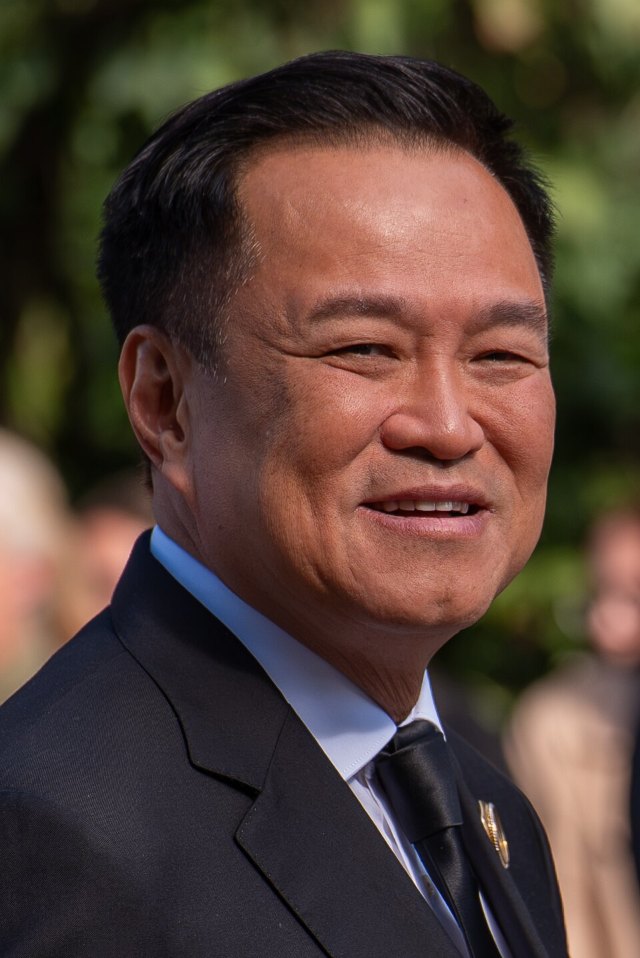
Thailand is a parliamentary constitutional monarchy. A hereditary monarch serves as head of state, while political executive power is exercised by a prime minister and cabinet drawn from or supported by the elected legislature. The monarch's duties are largely constitutional and ceremonial, although the formal powers of the crown vary according to national law and convention.
Legislative authority is exercised through a bicameral national parliament. The two chambers share responsibility for passing laws and approving public finances, with their precise powers and methods of selection defined by the constitution. Parliamentary committees and plenary sessions provide formal mechanisms for scrutiny, while the courts are institutionally separate and may review government action as permitted by law.
Thailand is a unitary state, meaning sovereign authority is principally vested in national institutions, although local and regional governments exercise powers assigned by law. The constitution defines the relationship among the executive, legislature, judiciary, and subnational administration. Political authority is exercised through the constitutional institutions described above, with elections, parliamentary confidence, or other constitutional procedures determining who holds office.